




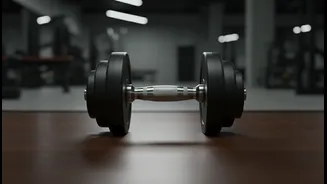



From Skinny to Strong
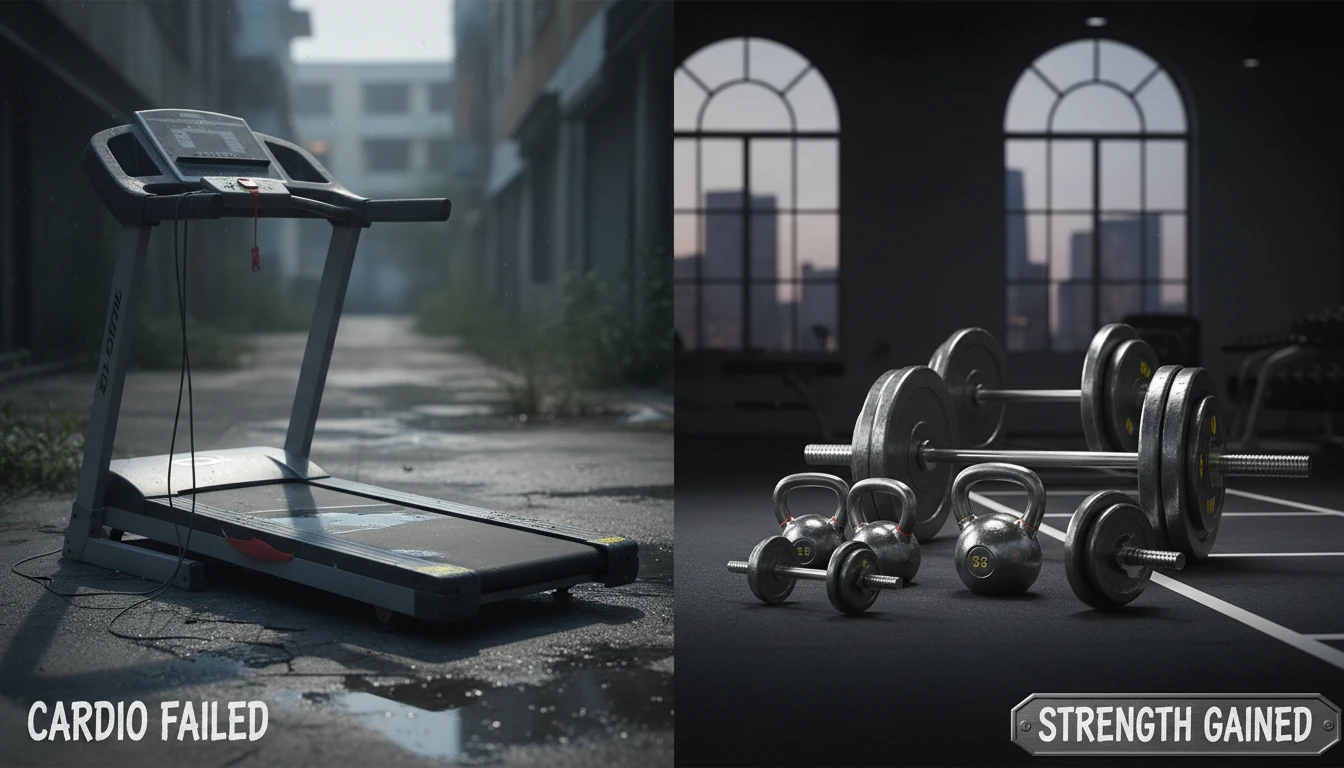
There was a time when the dominant fitness narrative for women, especially in India, revolved around subtraction—losing weight and shrinking oneself. The gym was often seen as a place for hours of cardio, with the primary goal being a lower number on the scale.
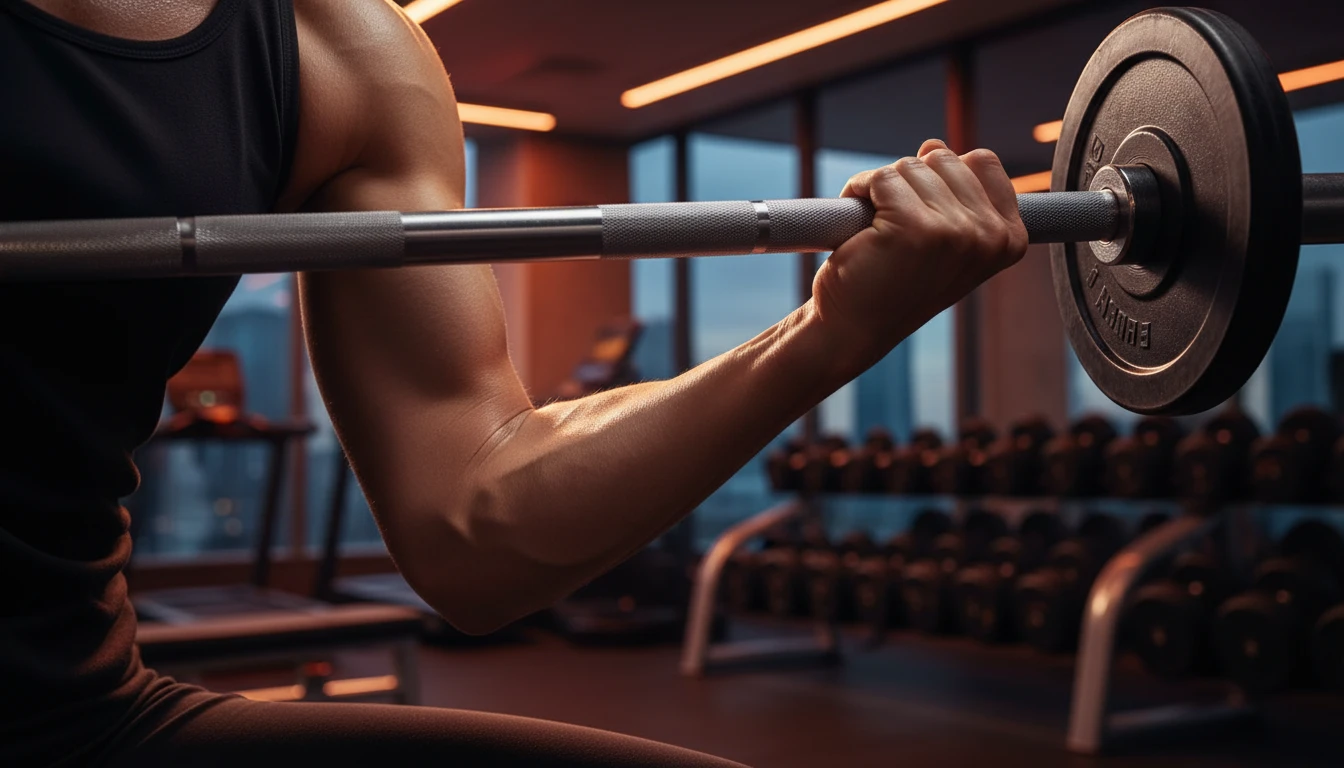
That mindset is changing. Walk into a gym today, and you are increasingly likely to hear a new conversation: not “How much weight did you lose?” but “How much can you lift?”. This philosophical shift redefines fitness from an aesthetic chase to a journey of building a capable, resilient body. The new approach is about addition: adding muscle, adding strength, and adding energy for a more functional life, whether that means carrying groceries or simply ageing with greater vitality.
The Science of a Stronger Body
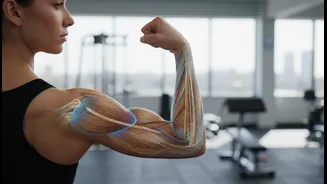
So, why is resistance training considered a 'smarter' choice? The benefits go far beyond visible muscles. Building lean muscle fundamentally changes how your body functions. A key advantage is an increased resting metabolic rate, meaning your body burns more calories throughout the day, even when you are not exercising. This makes strength training a highly effective tool for long-term weight management. Furthermore, for women, lifting weights is crucial for building and maintaining bone density, which helps reduce the risk of osteoporosis later in life. It also improves insulin sensitivity, which is vital for regulating blood sugar, and has been shown to reduce the risk of chronic illnesses like heart disease and diabetes.
Busting the 'Bulky' Myth
One of the most persistent myths that has deterred women from lifting weights is the fear of becoming 'bulky'. This is a largely unfounded concern. Due to hormonal differences, particularly much lower levels of testosterone, women do not build large, bulky muscles in the same way men do. Instead, resistance training helps women develop a lean, toned, and strong physique. Muscle tissue is denser and takes up less space than fat, so as you build muscle and lose fat, you are likely to look more sculpted and defined, not bigger. The narrative is shifting towards seeing strong bodies as athletic and healthy, a sign of investment in oneself rather than something to be avoided.
A New Wave in Indian Fitness
This trend is particularly significant in India, where cultural norms and misinformation have often created barriers for women in fitness. For years, exercises like Zumba and yoga were considered more 'appropriate' for women, while the weights section of the gym was seen as a male domain. However, a new generation of women, empowered by social media and a greater awareness of holistic health, are claiming their space at the squat rack. This is about more than just physical exercise; it is a form of empowerment. Learning to lift heavy and trust your body's capability builds mental fortitude and confidence that extends far beyond the gym. It's a powerful statement about taking up space and refusing to be defined by outdated standards of delicate femininity.
Getting Started the Smart Way
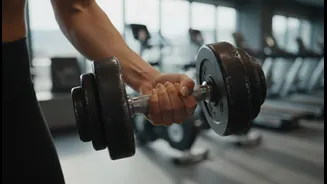
Starting a resistance training journey doesn't mean you have to immediately start lifting heavy barbells. The key is to begin with the fundamentals and progress gradually. You can start with bodyweight exercises like squats, push-ups, and planks to build a solid foundation. Once you feel comfortable, you can introduce light dumbbells, resistance bands, or kettlebells. The most critical element is proper form. Focus on mastering the movement correctly before increasing the weight to prevent injury. If possible, working with a qualified trainer for a few sessions can be invaluable. Consistency is more important than intensity in the beginning; aiming for two to three sessions per week is a great way to start building strength and seeing results.