



More Than Just Houseplants
The trend has a name: biophilic design. And while it sounds complex, the idea is simple and deeply human. Coined by biologist E.O. Wilson, the 'biophilia hypothesis' posits that humans have an innate, genetically determined urge to connect with nature.
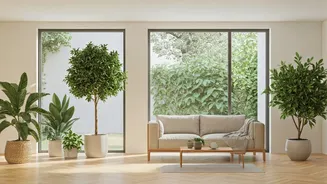
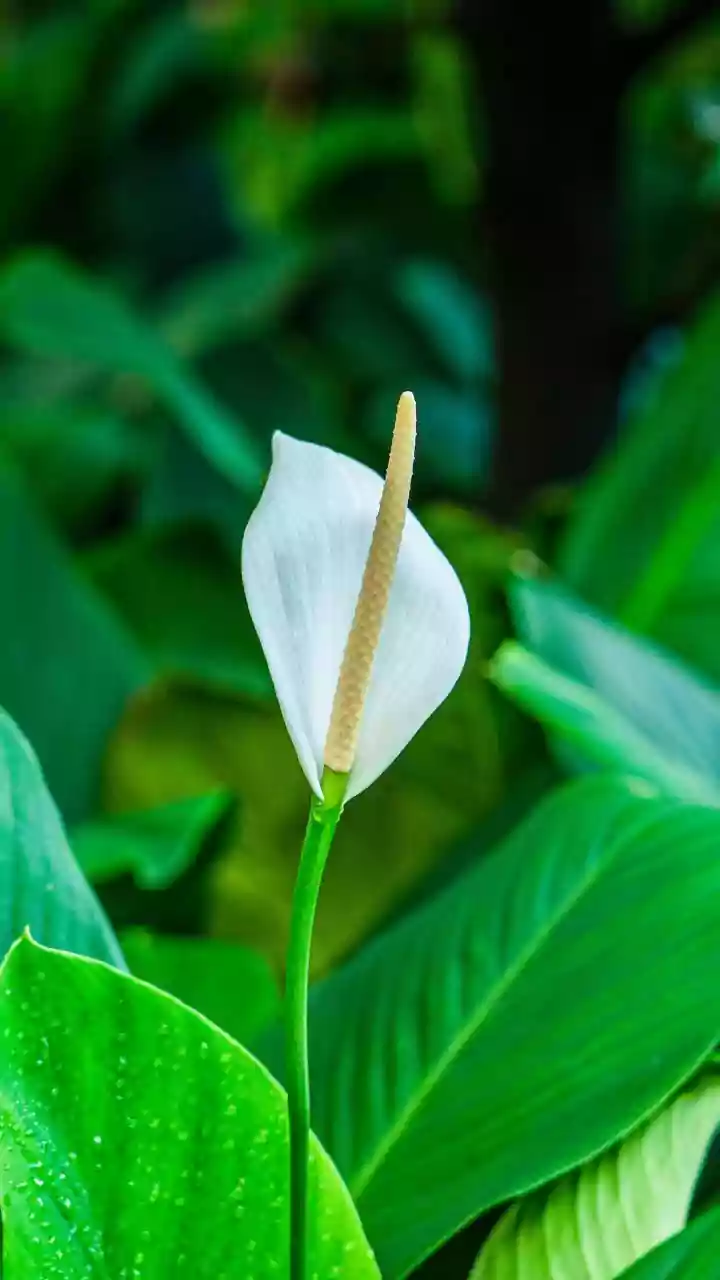
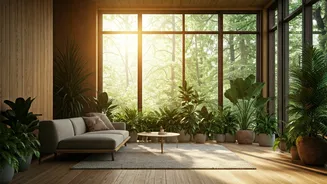
Biophilic design is the practice of translating this need into the built environment. It's a holistic approach that goes far beyond placing a ficus in the corner. It's about intentionally integrating natural elements—light, air, water, plants, and natural materials like wood and stone—into the spaces where we live, work, and play. The goal is to create environments that don't just look good, but actively support our physical and mental well-being by mimicking the restorative patterns of the natural world.
Why Now? A Post-Pandemic Awakening
While the concept has been around for decades, its recent explosion in popularity is no accident. The pandemic era forced a collective reckoning with our indoor environments. Stuck at home, we became acutely aware of the impact our surroundings have on our mood, stress levels, and productivity. This sparked a massive interest in wellness and a desire to make our homes sanctuaries. Simultaneously, companies seeking to lure employees back to the office realized that a sterile sea of cubicles wouldn't cut it anymore. They needed to offer something more: an environment that felt healthy, inspiring, and fundamentally human. Biophilic design became the perfect solution, promising to reduce stress, boost creativity, and improve air quality—all valuable assets in a post-2020 world. It’s a direct response to our screen-saturated, often disconnected modern lives.
The Rise of the Vertical Green Wall
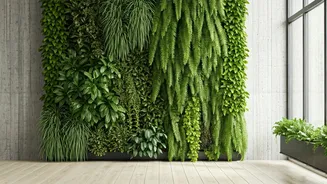
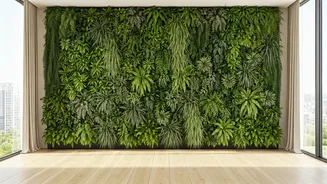
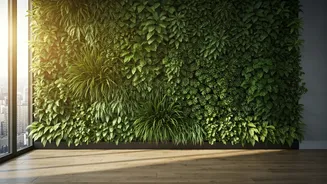
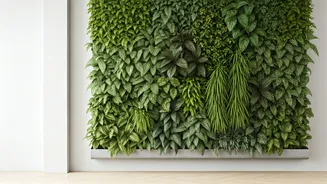
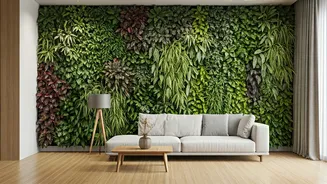
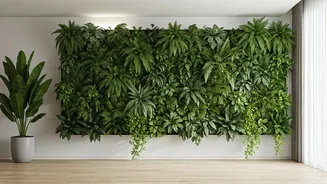
At the forefront of this movement is the vertical green wall, also known as a 'living wall.' This is the ultimate biophilic statement piece: a dramatic, space-efficient, and instantly iconic feature. Unlike scattered pots, a living wall creates an immersive experience, a powerful visual anchor that transforms an entire room. These aren't simple DIY projects; they are often complex systems involving integrated irrigation, specialized lighting, and a carefully chosen palette of plants suited for vertical life. For businesses, installing a green wall is a powerful signal. It communicates a commitment to employee well-being and environmental values. For homeowners, it’s a slice of a lush jungle, a living work of art that purifies the air and provides a constant, calming connection to nature.
Bringing Biophilia Home (On Any Budget)
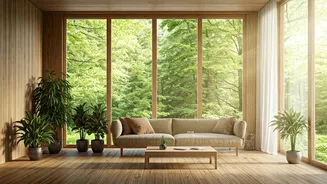
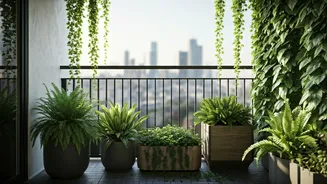
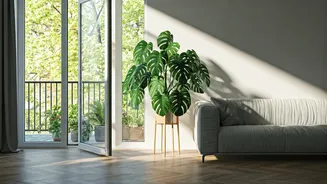
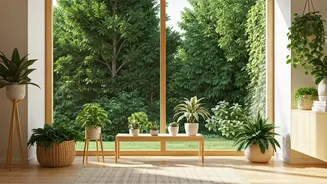
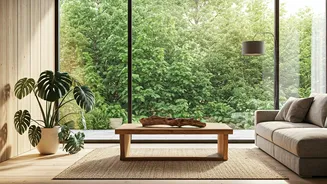
A custom-installed, self-watering green wall can be a significant investment. But you don't need a four-figure budget to embrace the principles of biophilic design. The key is to think about engaging the senses with natural elements. Start by maximizing natural light—keep windows unobstructed and use mirrors to bounce light around a room. Incorporate natural materials like wood, bamboo, cork, stone, and textiles like linen and wool. A simple wooden coffee table or a wool throw blanket counts. Introduce plants of varying sizes and textures, grouping them together to create a 'plant-scape.' Even a small tabletop water fountain can add the soothing sound of moving water. Using a color palette inspired by nature—earthy browns, leafy greens, and sky blues—can also evoke a sense of calm and connection to the outdoors.