







The General Food Safety Rule
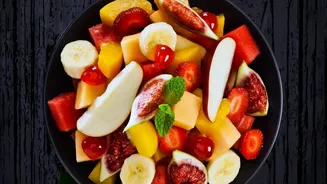
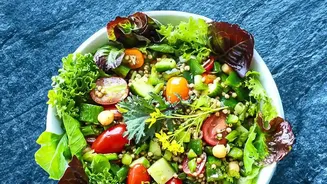
Food safety experts worldwide, including the US FDA, agree on a simple guideline known as the two-hour rule. Perishable foods, which include prepared salads and any fruit or vegetable that has been cut or peeled, should not be left at room temperature
for more than two hours. This is because the temperature range between 4°C and 60°C is considered the "Danger Zone," where bacteria like Salmonella, E. coli, and Listeria can multiply rapidly. Once a fruit or vegetable's natural protective peel is removed, it becomes vulnerable to contamination.
Why the Monsoon Changes the Equation
The monsoon season in India adds a critical variable: high humidity and consistently warm temperatures. Moisture is a key ingredient for bacterial and fungal growth. The increased humidity in the air means that harmful microorganisms can flourish even faster than they would in a drier climate. For this reason, the standard two-hour rule should be considered an absolute maximum. Many experts advise being even more cautious during the monsoon. If the ambient temperature is above 32°C, the safe window for leaving food out shrinks to just one hour. Given the warm, damp conditions typical of the Indian rainy season, it's wisest to adopt this one-hour limit as your standard practice.
Risks of Ignoring the Clock
Eating salads or fruits that have been sitting out too long significantly increases the risk of foodborne illness, commonly known as food poisoning. Symptoms can range from mild stomach cramps, nausea, and diarrhoea to more severe infections that require medical attention. Leafy greens are particularly risky as their many crevices can hide dirt and microbes, while fruits with high water content like melons are also susceptible once cut. It's important to remember that you can't always see, smell, or taste the bacteria that cause illness. A fruit salad might still look appealing after three hours on the counter, but it could already be unsafe to eat.
Best Practices for Safe Consumption
To enjoy fresh produce safely during the monsoon, a few simple habits make all the difference. The best approach is to prepare only what you will eat immediately. Wash all fruits and vegetables thoroughly under clean, running water right before you cut them. This prevents surface contaminants from being transferred to the flesh by the knife. Use clean cutting boards and utensils to avoid cross-contamination. For leafy greens, consider soaking them in a salt or vinegar water solution for about 15 minutes before rinsing them again to dislodge any hidden grit or microbes. When possible, choose fruits you can peel yourself, like bananas and oranges, and eat them right after peeling.
Smart Storage is Key
If you do have leftovers or need to prepare a salad in advance, prompt and proper refrigeration is non-negotiable. As soon as you're done preparing or serving, place cut fruits and salads into airtight containers and get them into a refrigerator set at 4°C or below. This slows down the growth of bacteria, extending the life of your food. Avoid overstuffing the refrigerator, as cold air needs to circulate to keep food safe. If you've prepared a dish, it is not necessary to wait for it to cool down completely; placing it in shallow containers will help it cool faster in the fridge. When in doubt about how long something has been left out, the safest motto to follow is: "When in doubt, throw it out."