


The Three Enemies: Oxygen, Moisture, and Microbes
The air in your kitchen is a triple threat to the freshness of your food. First, there's oxygen. When oxygen interacts with foods, it causes a process called oxidation. This can make fats and oils, like those in nuts, chips, and cooking oils, turn rancid,
giving them an unpleasant taste and smell. Oxidation also degrades vitamins and changes the colour of foods, like when a cut apple turns brown. Second is moisture. Air contains water vapour, and the interaction between the air and your food is a two-way street. Crispy items like crackers, cereal, and chips absorb moisture from the air, which is why they lose their crunch and go stale. Conversely, moist foods like bread and baked goods can dry out as their moisture evaporates into the surrounding air. Finally, the air carries invisible microorganisms like bacteria and mould spores. Every time a package is opened, these microbes can settle on the food. Given enough time and the right conditions, they will multiply, leading to spoilage.
Why That Chip Clip Isn't Enough
While using a bag clip is better than nothing, it's often a temporary and imperfect solution. Rolling down the top of a bag and clipping it still leaves a large volume of air trapped inside with the food. It also doesn't create a truly airtight seal, allowing for a slow but steady exchange of air and moisture with the environment. This is particularly true in humid conditions, where snacks can go stale even faster. The same logic applies to boxes of cereal or crackers with folded-down inner bags. These methods might slow the decline in quality, but they won't stop it. For foods that are sensitive to going stale or rancid, a simple clip is more of a pause button than a stop button on the spoilage process.
Upgrade Your Storage Game
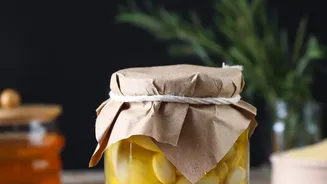
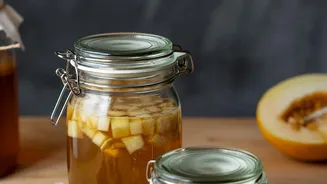
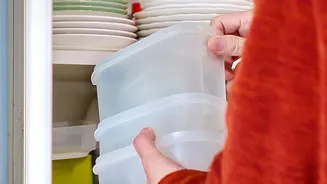
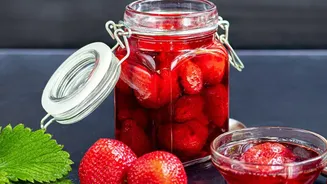
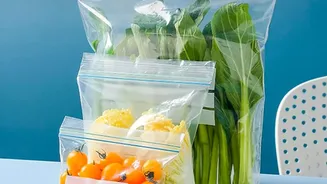
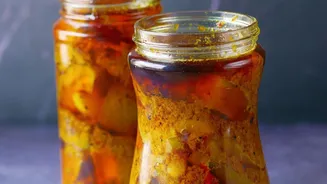
The single most effective way to protect your food from the effects of air is to transfer it from its original packaging into a truly airtight container. This is non-negotiable for pantry staples you've opened and want to keep fresh. Glass jars with tight-sealing lids or high-quality plastic containers (look for PETE plastic) are excellent choices. By moving your chips, crackers, cereal, flour, sugar, and coffee into these containers, you drastically reduce their exposure to oxygen, moisture, and airborne contaminants. The National Center for Home Food Preservation even recommends packaging food in amounts that can be used all at once to minimize the number of times a container is reopened. For an even higher level of protection, especially for items you use less frequently like nuts or special flours, a vacuum sealer that removes all the air before sealing a bag or container is a fantastic tool.
Extend Protection to the Fridge and Freezer
The battle against air exposure doesn't stop at the pantry door. In the refrigerator, opened packages of deli meats, cheeses, and other perishable items should also be moved to airtight containers or be tightly wrapped in plastic or foil. This not only prevents them from drying out but also stops them from absorbing odours from other foods in the fridge. Some items benefit from freezer storage to halt spoilage. Opened bags of chips and even popcorn can be stored in the freezer to maintain their crispness, especially in humid climates. When storing any food, the goal is to create a barrier. Moisture- and vapour-proof materials are your best defense, ensuring the quality and safety of the food is preserved for as long as possible.