

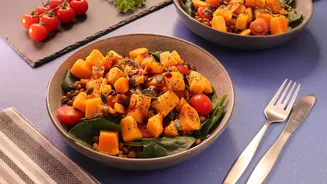
As winter settles in, the search for satisfying, hearty textures in vegetarian cooking begins. While lentils and mushrooms are staples, an often-overlooked ingredient offers a unique, toothsome quality: the humble roasted chestnut.
The Quest for Hearty Texture
For those who follow
a vegetarian diet, replicating the dense, satisfying mouthfeel of meat-based winter dishes can be a culinary challenge. Soups, stews, and roasts need a component that provides more than just flavour; they require a substantial texture that feels robust and comforting. Many plant-based ingredients can be soft or mushy when cooked for long periods. Chestnuts, however, are different. When roasted, they develop a firm, slightly crumbly, and creamy texture that holds up beautifully in slow-cooked dishes, offering a satisfying bite that is both unique and deeply gratifying.
A Nut Unlike Any Other
Botanically, chestnuts are fruits, not nuts, which helps explain their distinct properties. Unlike almonds or walnuts, they are low in fat and high in complex carbohydrates and water content. This composition gives them a starchy quality, more akin to a potato or sweet potato, rather than the oily crunch of other nuts. This starchy nature is precisely what makes them so effective at creating texture. They are substantial without being heavy, and their flavour is subtly sweet and earthy, allowing them to complement a wide range of savoury ingredients like mushrooms, root vegetables, and fragrant herbs like sage and thyme.
The Art of Roasting
Properly roasting fresh chestnuts is key to unlocking their textural potential. While pre-cooked and vacuum-packed chestnuts are a convenient option, roasting them yourself provides a superior flavour and consistency. The process is simple. First, use a sharp knife to score an 'X' on the rounded side of each chestnut shell; this is crucial to allow steam to escape and prevent them from bursting in the oven. Soaking the scored chestnuts in water for 20 to 30 minutes before roasting can help them steam from the inside, ensuring they cook evenly and making them easier to peel. Roast them on a baking sheet at around 200°C (400°F) for 20-30 minutes, or until the shells begin to curl back and the nut inside is tender. Once they're cool enough to handle but still warm, peel away both the hard outer shell and the papery inner skin.
Beyond the Holiday Stuffing
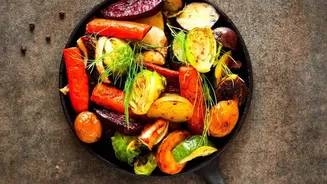
While famous as a holiday stuffing ingredient, the application of roasted chestnuts is far broader. For a show-stopping vegetarian centrepiece, a chestnut and chickpea roast or a mushroom and chestnut loaf offers a firm, sliceable texture that’s perfect for a Sunday dinner. Coarsely chopped chestnuts can be stirred into hearty vegetable stews or casseroles in the last hour of cooking, where they will absorb the surrounding flavours while retaining their shape. They can also be blitzed into a coarse crumble with breadcrumbs and herbs to use as a topping for baked pasta dishes or vegetable gratins, adding a delightful crunch. For a simpler meal, try tossing them with roasted Brussels sprouts or folding them into a wild rice pilaf.
A Surprising Nutritional Boost
Beyond their textural contribution, chestnuts bring significant nutritional benefits to the table. They are a fantastic source of fibre, which aids in digestion and helps regulate blood sugar. Uniquely among nuts, chestnuts are rich in Vitamin C, a powerful antioxidant. They also provide essential minerals like copper, manganese, and potassium, which support bone and heart health. Being naturally gluten-free, they are also a great choice for those with celiac disease or gluten sensitivity, and their flour can be used in baking.