



A Shift Towards Home Shores
A recent global survey highlighted a significant trend: India leads the world in its preference for domestic travel. Fully 60% of Indian travellers plan to holiday within the country, a figure well above the global average of 42%. This isn't just a fleeting
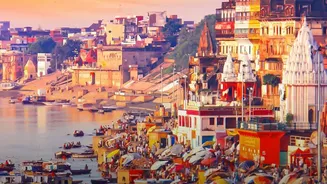
moment but a reflection of a deeper shift. Travellers are increasingly looking for value-for-money experiences, especially with rising costs influencing decisions. While the desire to travel remains incredibly strong—with 87% of Indians planning a trip, far outpacing the global average—many are adapting their plans to fit their budgets. This has turned the spotlight away from international trips and towards exploring the diverse landscapes India has to offer, from city breaks to countryside retreats.
Decoding the 'Door-to-Door' Cost
The preference for domestic travel is heavily tied to perceptions of affordability, but the reality is often more complex than just the price of a flight or train ticket. The true expense lies in the 'door-to-door' cost. While a budget airline ticket might seem like a bargain, the total expenditure quickly rises when you factor in the price of getting from a remote airport to your hotel, the cost of local taxis for sightseeing, and other last-mile connectivity expenses. These costs can be particularly high in tourist areas where infrastructure is still developing. For example, a round-trip flight to a popular destination might seem cheaper than an international equivalent, but once you add the cost of private cars, local transfers, and monument entry fees, the budget can swell unexpectedly. In some cases, the total cost for a trip to a remote Indian location can rival that of a short-haul international holiday, forcing travellers to become smarter and more meticulous in their planning.
The Regional Transport Conundrum
Effective regional transport is the backbone of accessible domestic tourism, but in India, it remains a puzzle with missing pieces. While there have been significant strides, challenges persist. The government's UDAN scheme has been a game-changer, operationalising hundreds of routes and connecting dozens of smaller airports in cities like Agra, Bikaner, and Kanpur, boosting local tourism and economies. This has made previously hard-to-reach destinations more accessible. However, the system is far from seamless. Many travellers still face challenges with the frequency and reliability of flights on these new routes. Beyond air travel, road and rail networks present their own hurdles. Inadequate infrastructure in rural areas, poor road conditions, and overcrowded buses and trains can make journeys uncomfortable and time-consuming. The lack of integration between different modes of transport—like smooth transfers from a train station to a local bus network—remains a major pain point, making a supposedly simple trip a logistical challenge.
Planning for a Smarter Domestic Trip
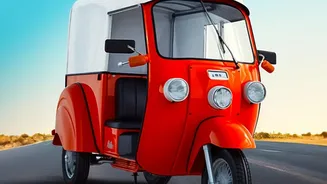
Despite the hurdles, the surge in domestic travel proves that these obstacles are not insurmountable. The key is strategic planning. For budget-conscious travellers, trains remain one of the most cost-effective ways to cover long distances, even if it requires booking well in advance. When flying, look beyond the main metros; flights to regional airports under the UDAN scheme can offer significant savings. For managing door-to-door costs, research is crucial. Instead of relying solely on expensive private taxis upon arrival, check for app-based ride services like Uber and Ola, which are available in many cities. For local sightseeing, consider hiring a car and driver for a full day, which can be more economical and efficient than multiple individual taxi rides, especially for families or small groups. Mixing and matching transport modes—a train for the long haul, a pre-booked car for a day of sightseeing, and auto-rickshaws for short hops—can deliver the best balance of cost, comfort, and convenience.