







The Monsoon's Effect on Your Gut
As the skies open up, the atmosphere becomes heavy with humidity and the sun plays hide-and-seek. According to Ayurveda, this environmental shift directly impacts our digestive fire, or Agni. During the Varsha Ritu (monsoon season), the Agni is believed
to be at its weakest. The prevailing dampness and coolness in the environment can slow down our metabolism and digestive processes. This is compounded by an aggravation of the Vata dosha (the principle of air and space), which further destabilises digestion. The result? A feeling of heaviness, bloating, and general lethargy, even if you haven't overeaten. This ancient concept explains why that extra plate of bhajis, while emotionally satisfying, can feel physically taxing during the rains.
When Modern Science Agrees with Tradition
This isn't just esoteric knowledge; modern nutritional science offers a parallel perspective. The monsoon season is notorious for a higher risk of water-borne and food-borne infections. Pathogens like bacteria and viruses thrive in the humid, damp conditions. A compromised digestive system is less effective at fighting off these invaders. When your gut is already working overtime to break down heavy, oily, or complex foods, it has fewer resources left to support your immune system. Eating light, therefore, is a practical strategy to conserve energy and fortify your body's natural defences. A lighter diet reduces the load on your gut, allowing it to function optimally and keep you resilient against seasonal illnesses like the flu, stomach bugs, and colds.
Building Your Ideal Monsoon Plate
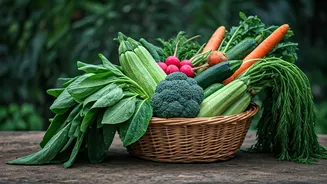
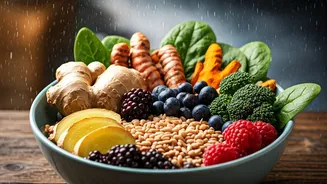
So, what does a ‘light’ meal look like in this context? The focus should be on foods that are warm, cooked, and easy to digest. Think of it as giving your digestive system a helping hand. Simple, nourishing dishes are your best friends. A classic bowl of khichdi made with moong dal and rice is the quintessential monsoon meal for a reason—it’s a complete protein that’s incredibly gentle on the stomach. Warm vegetable soups, especially those flavoured with digestive spices like ginger, cumin, and black pepper, are excellent choices. Steamed or lightly sautéed vegetables like bottle gourd (lauki), snake gourd, and pumpkin are preferable to raw salads, which can be harder to digest and carry a higher risk of contamination. Incorporating fermented foods like yogurt or buttermilk (at room temperature) can also introduce beneficial probiotics that support gut health.
Foods to Approach with Caution
Just as important as what to eat is what to limit. While street-side chaat and fried snacks are tempting, they are best enjoyed sparingly. The risk of contaminated water and oil being used for preparation is significantly higher during the monsoon. Leafy green vegetables like spinach and cabbage, though normally healthy, should be washed with extreme care or even avoided, as the grime and moisture trapped in their leaves can harbour germs. Heavy, dairy-rich sweets and creamy curries can also overburden the digestive system. Similarly, it's wise to be cautious with seafood, as the season can affect its freshness. The guiding principle is simple: if it’s heavy, excessively oily, raw, or of questionable hygiene, it's probably best to wait until the weather clears up.