

The Great Pea Debate: Fresh, Frozen, or Split?
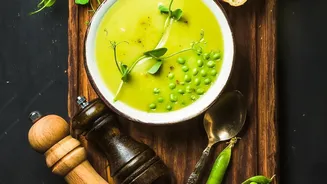
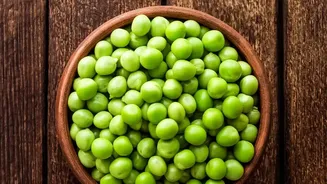
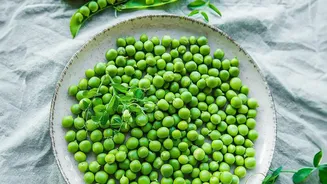
The first step in any pea soup is choosing your peas, and you have excellent options. Fresh peas, available in late spring and early summer, offer unparalleled sweetness but require shelling. For year-round convenience and reliability, frozen peas are
a fantastic choice. They are flash-frozen at peak ripeness, which locks in their sweet flavour and nutritional value. In fact, many cooks prefer frozen peas as they tend to be more tender and less starchy than fresh peas that have travelled to the store. Then there are dried split peas, which create a completely different soup. Hearty, thick, and earthy, split pea soup is a classic comfort food, often simmered for a long time with a ham bone for a deep, smoky flavour. For a vibrant, bright green soup, frozen peas are often the most dependable and easiest option.
Building a Foundation of Flavour
The secret to a memorable soup lies in its aromatic base. Most recipes begin by gently sautéing aromatics in butter or olive oil. Onions, shallots, leeks, and garlic are the classic choices, providing a sweet and savoury foundation that complements the peas without overpowering them. Gently cooking them until soft and translucent, without browning, builds a deep layer of flavour. Some recipes also include celery and carrots, a combination known as a mirepoix, to add further depth. For a different twist, a paste of ginger and garlic can create an Indian-inspired base with a bit of a kick. Regardless of the specific ingredients, taking the time to soften these aromatics properly is a crucial step that elevates the finished soup.
Perfecting the Texture and Cooking
Achieving the perfect texture is a matter of technique and preference. Many recipes add a potato, which is simmered with the stock until tender. The starch from the potato helps to create a naturally creamy consistency without needing dairy. Once the base is ready, the peas are added. The key with fresh or frozen peas is to cook them briefly—just until they turn bright green and tender, which usually takes only a few minutes. Overcooking can dull their colour and flatten their sweet flavour. After a short simmer, the soup is ready for blending. An immersion blender offers the convenience of blending directly in the pot, while a traditional blender can also yield a super-smooth result. Be patient during this step to get the soup as velvety as possible.
Classic Pairings and Creative Variations
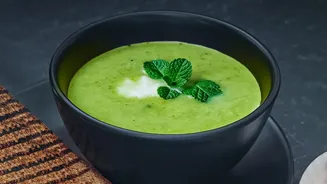
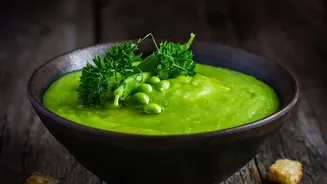
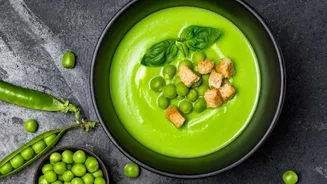
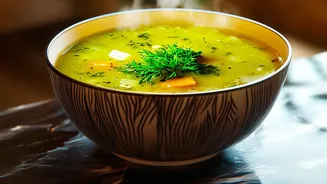
While delicious on its own, green pea soup is a canvas for a wide range of flavours. The most classic pairing is with mint. The herb's freshness lifts the natural sweetness of the peas, creating a bright and invigorating soup. Add the mint just before blending to preserve its vibrant flavour and colour. For a richer dish, a swirl of cream, crème fraîche, or plain yogurt can be added after blending. A squeeze of fresh lemon or lime juice at the end can brighten all the flavours. Don't be afraid to experiment with other herbs like basil or dill, or to add a pinch of spice with red pepper flakes. Toppings add a final flourish; consider homemade croutons, a drizzle of herb-infused oil, or crumbled bacon for a savoury crunch.
Serving and Storing Your Soup
Green pea soup is wonderfully versatile in how it can be served. It's delightful served hot on a cool day but is equally refreshing served chilled during warmer months. This makes it a great recipe to make ahead of time. Most green pea soups store well in an airtight container in the refrigerator for up to four days. It also freezes beautifully, making it a perfect dish to prepare in a large batch for easy meals later. Simply allow the soup to cool completely before transferring it to freezer-safe containers. When you're ready to enjoy it, thaw it and reheat gently on the stovetop.