

First, What Are the Artemis Accords?
Think of the Artemis Accords as a set of ground rules for exploring the final frontier. Led by the United States, they are a non-binding agreement outlining principles for safe, transparent, and sustainable civil space exploration. The framework is built
on the Outer Space Treaty of 1967 and covers everything from the peaceful use of space to sharing scientific data and providing emergency assistance. By signing, nations agree to a common vision for exploring the Moon, Mars, and beyond. India became the 27th country to sign the Accords in June 2023, a move seen as a significant step in aligning its space ambitions with a U.S.-led coalition of spacefaring nations. This set the stage for deeper collaboration, moving from a statement of principles to tangible joint efforts.
India's Rise as a Space Power
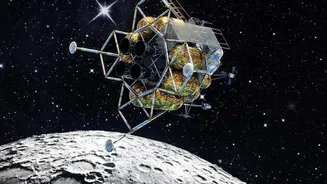
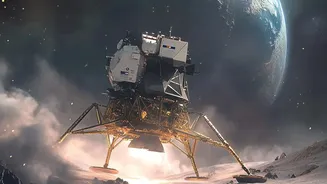
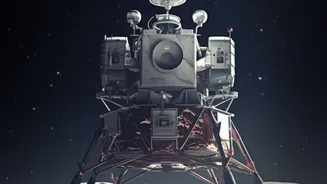
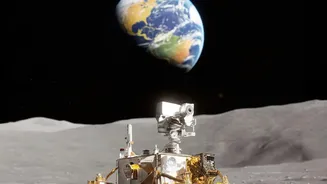
The invitation from NASA is no coincidence; it’s a direct acknowledgment of India’s soaring capabilities in space. The Indian Space Research Organisation (ISRO) has a reputation for executing complex missions cost-effectively. This was powerfully demonstrated in 2023 when its Chandrayaan-3 mission successfully made a soft landing near the Moon's south pole—a historic first for any nation. This achievement didn't just showcase technical prowess; it put India in an elite club of nations with proven lunar landing capabilities. ISRO is now planning even more ambitious projects, including Chandrayaan-4, a robotic mission to collect lunar samples and return them to Earth, and has a long-term goal of landing an Indian astronaut on the Moon by 2040. This proven track record makes India a highly valuable, and capable, partner.
So, What Does the Partnership Involve?
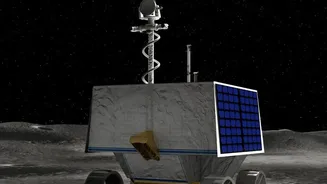
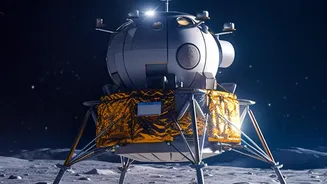
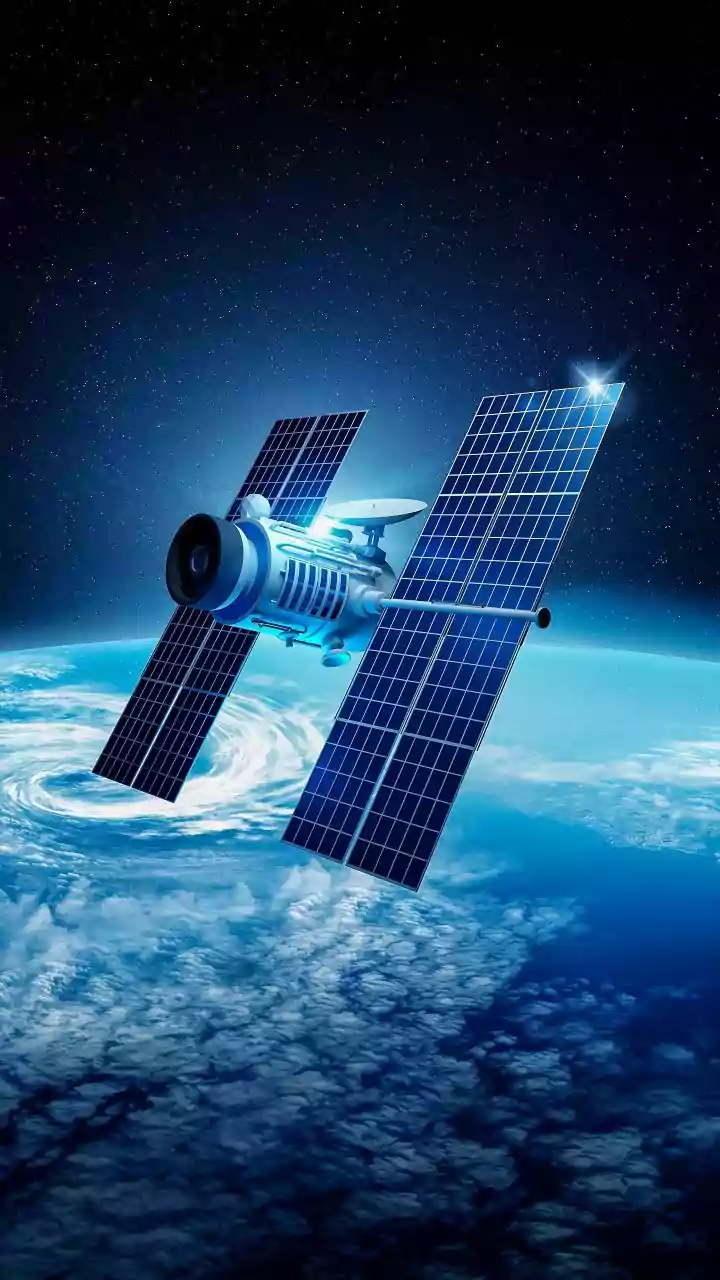
The cooperation goes far beyond just a handshake. In early August 2026, during a joint working group meeting in Bengaluru, NASA formally invited ISRO to participate in its Moon Base program. This ambitious project aims to build the first-ever permanent human outpost on another celestial body, located near the lunar south pole. The collaboration builds on existing successful partnerships, most notably the NISAR (NASA-ISRO Synthetic Aperture Radar) satellite. Launched in July 2025, NISAR is an advanced Earth-observation mission that is already providing critical data on climate change, disaster management, and agriculture. The expanded lunar cooperation could involve ISRO contributing scientific instruments, robotics, and expertise gained from its Chandrayaan missions to the Moon Base effort. For India, it offers a fast track to gaining experience in complex crewed missions and access to cutting-edge technologies.
The Geopolitical View from 240,000 Miles Away
This partnership isn't just about science; it's a strategic move with global implications. The Artemis Accords are increasingly seen as a U.S.-led alliance forming a counterweight to the competing space ambitions of China and Russia, who are not signatories and are pursuing their own joint lunar base plans. By bringing a major, independent space power like India into the fold, the U.S. strengthens its coalition for a rules-based order in space. The collaboration underpins the U.S.-India strategic relationship, turning shared democratic values into practical cooperation on the high frontier of space. As nations begin to seriously consider the prospect of utilizing lunar resources, such as water ice at the south pole, establishing these cooperative frameworks is becoming as important as developing the rockets themselves.