



The Science on Your Plate
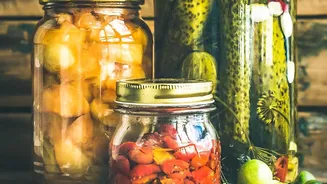
Fermentation is a natural process where microorganisms like bacteria and yeast convert starches and sugars into lactic acid or other compounds. This might sound like a science experiment, but it’s the cornerstone of countless traditional foods. In India,
this technique has been used for centuries not just for preservation, but to radically transform flavour, texture, and nutritional value. Fermented foods are easier to digest because the microbes pre-digest complex carbs and proteins. This process also enhances the bioavailability of vital minerals like iron and calcium and even produces essential B-vitamins. The result is food that is not only delicious but also incredibly beneficial for gut health, packed with probiotics that support a healthy internal ecosystem.
South India’s Spongy Staples: Idli and Dosa
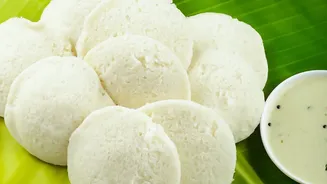
Perhaps the most famous of India’s fermented breakfasts are idli and dosa. These South Indian icons are both made from a batter of ground rice and urad dal (black gram). The ingredients are soaked for several hours, ground separately into a paste, and then mixed and left to ferment overnight. During this time, naturally occurring microorganisms, primarily a bacterium called Leuconostoc mesenteroides, get to work. These microbes produce lactic acid, which gives the batter its signature tangy flavour, and carbon dioxide, which causes the batter to rise. This leavening is what gives idlis their soft, spongy texture and makes dosas light and airy. The same batter can be used for both; it's just steamed in moulds for idli and spread thinly on a griddle for dosa.
Gujarat’s Airy Delight: Dhokla
Travel west to Gujarat, and you’ll find dhokla, a savoury, steamed cake that is a breakfast and snack-time favourite. While there are many variations, traditional dhokla is made from a fermented batter of chickpea flour (besan) and sometimes rice. Curd or buttermilk is often added to the batter to introduce lactic acid bacteria and kickstart the fermentation process. Left to rest for several hours, the batter becomes light and airy. The fermentation not only creates the spongy texture but also breaks down complex proteins in the lentils, making the dhokla high in protein yet easy to digest. Once steamed, it is typically topped with a tempering of mustard seeds and curry leaves, creating a perfect balance of tangy, savoury, and spicy flavours.
Beyond the Usual Suspects
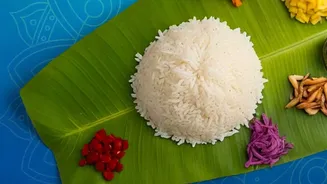
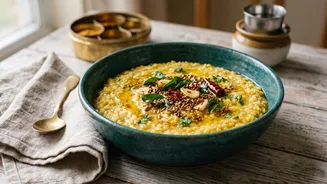
The world of fermented Indian breakfasts extends far beyond idli and dhokla. In Kerala, you'll find Appam, delicate, lacey pancakes made from a fermented rice batter that is sometimes enriched with coconut or toddy for a unique flavour. In the eastern states of Bengal and Odisha, there is Panta Bhat or Pakhala, a humble dish made by soaking leftover cooked rice in water overnight. This mild fermentation makes the rice cooling, easily digestible, and a traditional meal for farmers. Similarly, Ambali, a fermented millet porridge from the south, provides a sour and nutritious start to the day. Each of these dishes uses a unique combination of local grains and regional techniques, showcasing an incredible diversity of microbial culinary arts across the country.