


Why Your Breakfast Needs a Protein Boost
For many, breakfast is a carbohydrate-heavy meal. While delicious, this can lead to a mid-morning energy crash and leave you feeling hungry sooner. Starting your day with a significant source of protein has been shown to have numerous benefits. It promotes
satiety, keeping you fuller for longer, which can help manage cravings and reduce snacking throughout the day. A protein-rich breakfast also helps stabilise blood sugar levels, providing sustained energy instead of a quick spike and fall. According to the Indian Council of Medical Research (ICMR), the average sedentary adult needs about 0.83 grams of protein per kilogram of body weight daily. Many Indian diets, which are often vegetarian, can fall short of this target, making breakfast the perfect opportunity to bridge that gap.
The Power of Seeds
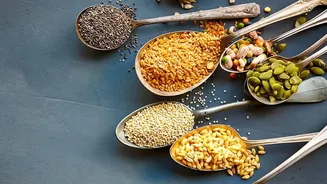
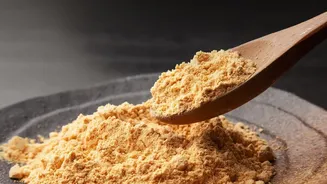
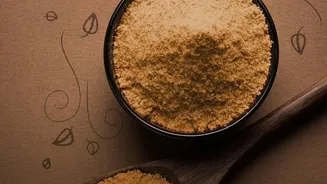
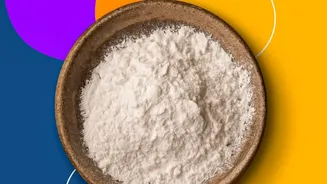
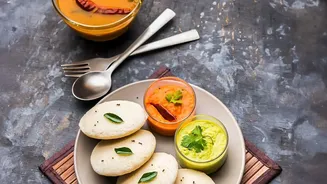
This is where seeds come in. These tiny nutritional dynamos are packed with protein, healthy fats, fibre, vitamins, and minerals. When ground into a fine powder, they become an incredibly versatile and convenient supplement that can be stirred into almost any batter or dough without drastically altering the taste or texture. A spoonful of seed powder mixes seamlessly into dosa, idli, cheela, or uttapam batters, instantly enhancing their nutritional profile. This simple act turns a standard breakfast into a more complete meal, supporting everything from muscle health to digestion.
Hemp Seeds: The Complete Protein
Hemp seeds are a nutritional champion, containing the most protein seed-for-seed. A 28-gram serving packs around 9.5 grams of protein. What makes hemp truly special is that it is a complete protein, meaning it provides all nine essential amino acids that the body cannot produce on its own. This makes it an excellent choice for vegetarians and vegans. Hemp seeds have a mild, nutty flavour, similar to sunflower seeds, and their powder is a great all-purpose addition to any breakfast batter.
Pumpkin Seeds: The Mineral Powerhouse
Often discarded after carving a pumpkin, these green seeds are a protein treasure. With about 8.5 grams of protein per 28-gram serving, they are a close second to hemp seeds. Beyond protein, pumpkin seeds are one of the best natural sources of magnesium and zinc, minerals crucial for energy production, immune function, and muscle relaxation. Lightly roasting them before grinding can enhance their nutty flavour, making their powder a perfect match for savoury batters like adai or pesarattu.
Flax and Chia Seeds: Fibre and Omega-3s
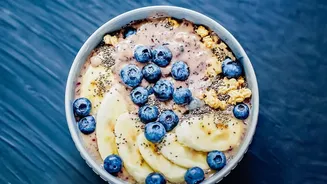
Flax and chia seeds are famous for their high fibre content and abundance of heart-healthy omega-3 fatty acids. They each provide about 5 grams of protein per 28-gram serving. To get the full benefit of flaxseeds, they must be ground, as the whole seeds can pass through the digestive system undigested. Chia seeds can be used whole or ground. Both seeds are hydrophilic, meaning they absorb water and can help create a moist texture in your cooking. Their powder is a fantastic addition to idli or pancake batters, contributing to a feeling of fullness.
Your Simple Guide to Making and Using Seed Powder
Creating your own protein powder is simple. You can use a single type of seed or create a blend for a broader range of nutrients. A good starting mix is equal parts hemp, pumpkin, sunflower, and flax seeds. Simply grind the seeds, individually or together, in a spice grinder or a powerful blender until they form a fine powder. Be careful not to over-grind, or you'll end up with seed butter. Store the powder in an airtight container in the refrigerator to maintain freshness. To use, just add one to two tablespoons of the seed powder for every cup of breakfast batter. Mix it in just before you start cooking. The powder will blend right in, giving your morning meal an invisible but powerful nutritional upgrade.