






The Anatomy of a Flight Delay
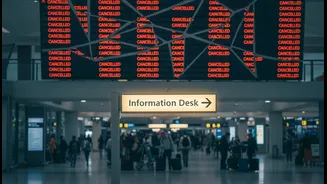
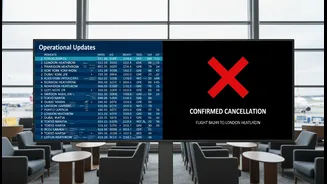
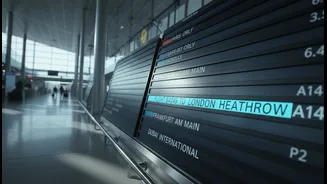
We’ve all been there. The departure board, once a symbol of exciting journeys, becomes a source of anxiety as “Delayed” flashes next to your flight number. Hours tick by, information is scarce, and the feeling of being powerless grows. In these moments,
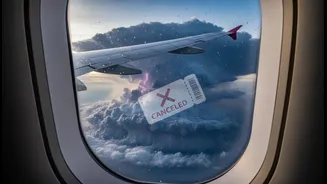
taking control by cancelling your booking on your own terms feels like a logical step. It’s a way to reclaim your time and find an alternative path to your destination. However, the distinction between you cancelling your ticket and the airline cancelling the flight is a critical one, with significant financial implications.
Your Rights When an Airline Delays
When an airline is responsible for a significant delay, India's Directorate General of Civil Aviation (DGCA) has rules in place to protect passengers. For delays over two hours, airlines are generally required to provide free meals and refreshments. If a domestic delay stretches beyond six hours, your options expand significantly. At this point, the airline must offer you the choice of an alternative flight or a full refund of your ticket. For overnight delays, this can even include hotel accommodation and transfers. These rights are triggered by the airline's failure to operate on schedule. They are your entitlements as a passenger impacted by a service disruption.
The Critical Shift in a Self-Cancellation
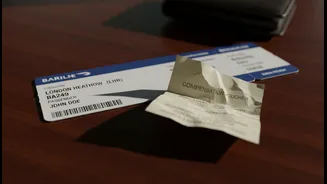
Here is the crucial part: the moment you decide to cancel the ticket yourself, you are initiating a “voluntary cancellation.” From the airline’s perspective, you are no longer a stranded passenger waiting for their delayed service. Instead, you are a customer who has chosen to terminate their contract of carriage. This action typically subjects you to the fare rules of the ticket you purchased. This could mean hefty cancellation fees or, in the case of many non-refundable tickets, the loss of the entire fare except for some taxes. By cancelling, you effectively let the airline off the hook for its obligation to get you to your destination or provide a full refund due to the delay.
The Airline’s Point of View
This isn't just arbitrary policy. When an airline faces a delay, it is still working to operate the flight and fulfil its duty to transport its passengers. When you voluntarily cancel, you are signalling that you no longer require their service. This frees up your seat and releases the airline from its specific obligations to you under the DGCA’s delay-related provisions. The system then defaults to the standard terms and conditions associated with your ticket purchase. The cause of your decision—the delay—becomes irrelevant once you initiate the cancellation. The transaction is no longer about a service failure on their part, but a voluntary change of plans on yours.
What You Should Do Instead
Patience, while difficult, is your strongest asset during a long delay. Do not cancel the ticket yourself. Instead, wait for the airline to officially act. If the delay becomes long enough (typically exceeding six hours), approach the airline staff and clearly state that you wish to exercise your right to a full refund or be booked on an alternate flight, as per DGCA regulations. If the airline cancels the flight altogether, your right to a full refund or a re-routing is even more secure. Keep all communication, take pictures of the departure boards, and note down the names of staff you speak with. If the airline is uncooperative, you can file a formal complaint with them and, if necessary, escalate it through the government's AirSewa portal.