




Beyond the Surface: The Mould-Moisture Link
Mould is a type of fungus, and its spores are virtually everywhere, floating harmlessly in the air. They only become a problem when they land on a damp surface and begin to grow. This means that a mould problem is fundamentally a moisture problem. You
can scrub, spray, and repaint, but if you don’t address the underlying dampness, the mould will almost certainly return. Effective mould control is not about endlessly cleaning the symptom; it's about diagnosing and curing the disease by cutting off its water supply. This shift in perspective is the first and most crucial step toward a healthier, mould-free home.
Playing Detective: Identifying Moisture Sources
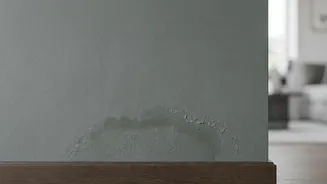
Before you can fix the problem, you have to find it. Sometimes the source is obvious, like a puddle after a plumbing failure. Often, however, it's more subtle. Use your senses to investigate. A persistent musty or earthy odour is a classic red flag for hidden moisture and mould growth. Visually, look for clues like water stains or discoloration on walls and ceilings, which may appear as yellow or brown patches. Peeling, bubbling, or blistering paint is another tell-tale sign that water is trapped behind the surface. Also, pay attention to condensation on windows or pipes, which indicates high humidity. An unexpected spike in your water bill or the faint sound of running water when all taps are off can also point to a hidden leak.
Common Culprit 1: High Humidity and Condensation
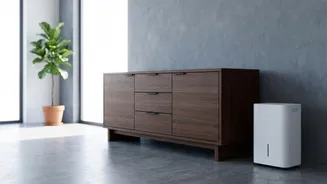
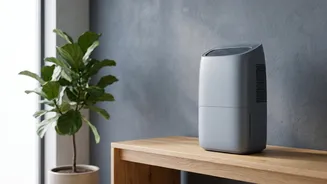
One of the most common sources of moisture is the air itself. Everyday activities like cooking, showering, doing laundry, and even breathing release significant amounts of water vapour into your home's air. When this warm, moist air comes into contact with a cooler surface, like a windowpane in winter or a poorly insulated wall, the vapour turns back into liquid water—a process called condensation. This creates the perfect damp environment for mould to thrive. In high-moisture areas like bathrooms and kitchens, always use an exhaust fan and let it run for a while after you’re done. Improving general air circulation with fans and strategically opening windows can also help. In particularly damp climates or basements, a dehumidifier is an excellent tool for keeping humidity levels in check.
Common Culprit 2: Leaks and Water Intrusion
Leaks are a more direct and often more damaging source of moisture. These can range from a slow drip under a sink to a significant roof leak. Regularly inspect common problem areas like plumbing under kitchen and bathroom sinks, around toilets and bathtubs, and near appliances like washing machines and dishwashers. Check walls and ceilings for any signs of staining, which could indicate a burst pipe or a leak from an upper floor. Water can also enter from outside. Ensure your roof is in good repair, and that gutters and downspouts are clean and directing water well away from your home's foundation. Faulty seals around windows and doors can also allow rain to seep in, so check for any cracks or gaps that need to be re-caulked.
The DIY Cleanup and When to Call a Pro
If the mouldy area is small (less than about 10 square feet), you can often handle the cleanup yourself. Always wear protective gear, including an N-95 mask, gloves, and goggles, to avoid inhaling spores. A solution of household detergent and water is often effective for cleaning non-porous surfaces. Porous materials like carpet or ceiling tiles that have become mouldy may need to be thrown away. However, you should call a professional mould remediation specialist if the mould covers a large area, if you suspect it's inside your HVAC system, or if the problem was caused by sewage. If mould returns after you’ve cleaned it, it's a strong sign that the underlying moisture issue hasn't been resolved, warranting an expert opinion.