








The Anatomy of a Gridlock
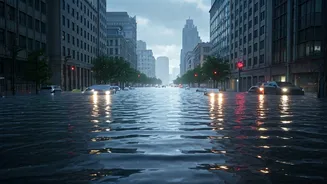
The immediate cause is simple physics: more water arrives than the drains can carry away. Intense bursts of rain, a hallmark of our changing climate, quickly overwhelm the drainage capacity of roads. [9, 13] As water accumulates in low-lying areas and
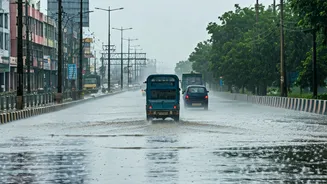
underpasses, a chain reaction begins. Vehicles are forced to slow down, and many drivers, wary of submerged potholes or stalled engines, become overly cautious. This hesitation ripples backward, creating a slowdown that rapidly escalates into a full-blown traffic jam. This morning, for instance, heavy overnight showers in Mumbai led to the closure of the Andheri subway and paralysed traffic on LBS Marg as the city woke up. [22, 23, 25]
Our Clogged Urban Arteries
The problem isn't just the intensity of the rain, but the state of the infrastructure designed to handle it. Many major cities, including Mumbai and Kolkata, rely on drainage systems that are decades, if not a century, old. [9, 14, 24] These colonial-era networks were not designed for the current population density or the sheer volume of modern rainfall. Compounding this is the rampant issue of blockages. Plastic waste, construction debris, and silt clog the drains, drastically reducing their efficiency. [9, 12] Despite annual pre-monsoon desilting drives, residents in cities like Delhi report that drains remain choked, causing waterlogging even before the monsoon's peak. [20]
Unplanned Growth, Unprecedented Chaos
Rapid and often haphazard urbanization is a primary culprit. As cities expand, permeable surfaces like soil and green spaces are replaced with impermeable concrete and asphalt. [9, 10, 13] This prevents rainwater from seeping naturally into the ground, forcing it all into an already overburdened drainage system. Bengaluru, which has lost a significant portion of its lakes and wetlands to encroachment, is a prime example of how unplanned growth fuels flooding. [9, 24] The result is that even moderate rain can lead to severe waterlogging in IT corridors and residential areas, turning key roads into impassable streams. [21, 29]
The Usual Suspects: Notorious Choke Points
Every city has its infamous waterlogging hotspots that become gridlock epicenters during a downpour. In Mumbai, areas like the Andheri and Malad subways, Hindmata, and Dadar are perennial trouble spots. [17] Delhi commuters dread the stretches under the Minto Bridge and AIIMS flyover. [15] In Bengaluru, the IT corridors around Hebbal and the Outer Ring Road are known for massive jams caused by flooded underpasses. [21] Recent pre-monsoon showers in Hyderabad also highlighted vulnerabilities around the IT corridor and other low-lying areas, where traffic police were seen managing traffic in ankle-deep water. [27, 30]
More Than Just an Inconvenience
The impact of these traffic jams extends far beyond a delayed commute. Vehicle breakdowns are common as water enters engines and damages electronics. This adds to the congestion and leaves commuters stranded. The economic cost is immense, with lost productivity and fuel wastage running into crores. More critically, snarled traffic can prevent emergency vehicles like ambulances and fire trucks from reaching their destinations, with life-threatening consequences. The sheer stress and frustration of being stuck for hours also takes a psychological toll on millions of citizens. [14]
Navigating the Deluge
While long-term solutions require systemic changes in urban planning and governance, there are steps commuters can take to mitigate the risk. Before leaving, check real-time traffic apps like and official traffic police advisories on social media. [11] If heavy rain is forecast, consider delaying your travel or using public transport like the Metro if possible. Avoid driving through heavily waterlogged streets; the submerged road may hide deep potholes or open manholes. Ensure your vehicle is monsoon-ready with good tires, working wipers, and a well-maintained engine. Sometimes, the smartest decision is to simply wait for the worst of the rain to pass.