




It's Not Just You, It’s Your Genes
The reason you might recoil from a bitter green salad while your friend devours it likely comes down to a specific taste gene called TAS2R38. Everyone inherits two copies of this gene, but they come in different versions, or variants. The two most common
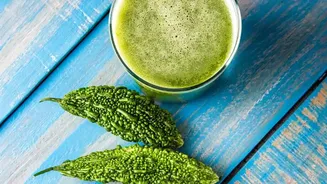
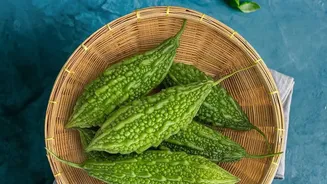
are a 'tasting' variant (PAV) and a 'non-tasting' one (AVI). This genetic lottery determines how intensely you perceive bitterness. People with two copies of the non-tasting AVI variant are 'non-tasters'; to them, certain bitter compounds are virtually undetectable. Those with one of each variant are 'tasters' who perceive bitterness moderately. But individuals who inherit two copies of the tasting PAV variant are dubbed 'supertasters'. For this group, the bitterness in foods like broccoli, kale, and even coffee can be overwhelmingly intense—what some researchers describe as a 'ruin-your-day level of bitter'.
The Ripple Effect on Your Plate
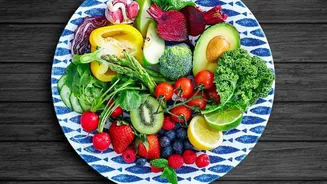
This genetic sensitivity isn't just a curious quirk; it has a direct and measurable impact on overall eating patterns. Numerous studies have established a strong link between bitter-taste genetics and food choices. Research presented at the American Heart Association’s Scientific Sessions found that supertasters were more than two and a half times as likely to rank in the bottom half of people when it came to vegetable consumption. Since many of the most nutrient-dense vegetables—like Brussels sprouts, cabbage, and other cruciferous varieties—contain these bitter compounds, supertasters often naturally avoid them. This can create a significant nutritional gap, as these vegetables are packed with vitamins and play a role in reducing the risk of chronic disease. The effect isn't limited to greens; it also influences preferences for things like bitter grapefruit, strong coffee, and even some beers.
An Evolutionary Echo
Our sensitivity to bitterness evolved for a very good reason: survival. For our ancient ancestors, a bitter taste was often a warning sign that a plant might be toxic. This built-in-aversion system helped them avoid eating poisonous flora, conferring a clear evolutionary advantage. While most bitter foods in a modern supermarket are not only safe but incredibly healthy, our ancient genetic wiring remains. We are essentially navigating a world of kale and radicchio with a biological toolkit designed for a time when a bitter leaf could be a fatal mistake. This evolutionary echo explains why bitterness is a taste we are often primed to dislike from childhood, while sweetness is almost universally accepted.
Hacking Your Taste Buds
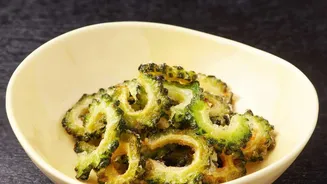
If you've discovered you're likely a supertaster, the good news is you are not doomed to a life without leafy greens. Understanding your genetic predisposition is the first step to working with your biology instead of against it. Experts suggest that rather than trying to force-feed yourself raw, bitter vegetables, you can use culinary techniques to make them more palatable. Roasting vegetables, for example, brings out their natural sweetness and reduces perceived bitterness. Adding healthy fats like olive oil or a sprinkle of salt can also help balance the flavours. Pairing bitter foods with sweet or acidic ingredients is another effective strategy. Researchers are hopeful that this genetic knowledge can pave the way for more personalized nutritional guidance, helping people find the healthy foods that work for their unique sense of taste.