





The Sweet Promise of Prosperity
On the surface, the formula for a mango festival seems simple and effective. These events attract tourists and locals, creating a direct marketplace for growers to sell their produce. By cutting out intermediaries, farmers can often secure better prices
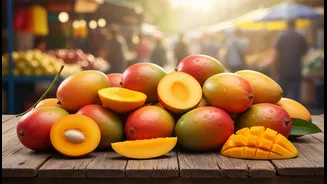
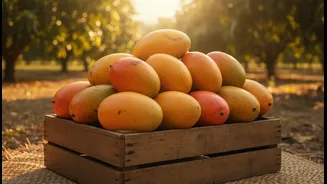
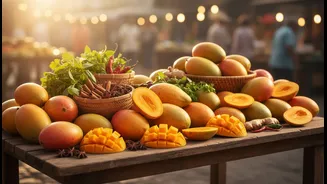
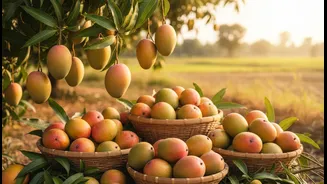
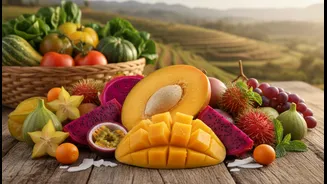
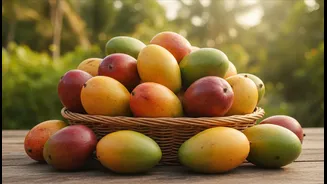
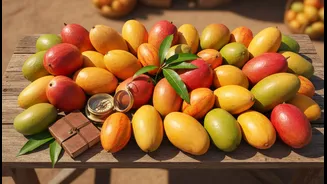
and higher profit margins. A one-day festival in East Singhbhum, for example, generated ₹53,700 in direct sales for local growers from over 1,000 kilograms of fruit sold. Beyond immediate sales, festivals act as a powerful promotional platform, showcasing hundreds of mango varieties—from the famous Alphonso to regional specialities—to a broader audience. This can boost the region's culinary identity, drive tourism, and create opportunities for food businesses to innovate with mango-themed dishes and products.
Beyond the Hype: The Risk of a Sugar Rush
The central challenge lies in converting weekend excitement into long-term economic health. Many festivals risk being little more than short-lived spectacles. If an event is poorly planned, disconnected from local business districts, or delayed, it can fail to attract crowds, leaving farmers with unsold produce. Critics also note that some festivals become entertainment-focused, with the agricultural and economic goals fading into the background. When the event is just about a fun day out, the economic benefits can be fleeting. Visitors might come for the mango-eating contests and cultural shows but leave without engaging deeply with the local economy or providing sustainable support for the farming community.
A Recipe for Lasting Impact
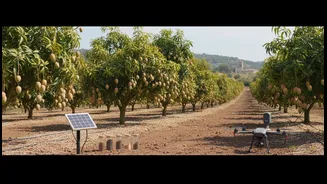
The most successful festivals are those designed with purpose. They move beyond being just a market and become platforms for knowledge exchange and business development. Organisers can include workshops and training sessions for farmers on modern horticulture techniques, pest control, sustainable practices, and meeting export quality standards. This educational component is crucial for improving the agricultural backbone of the region long after the festival ends. Furthermore, these events provide a unique opportunity for growers to network directly with bulk buyers, such as hoteliers, restaurateurs, and exporters, forging business relationships that can provide stable income throughout the year.
Cultivating a Year-Round Brand
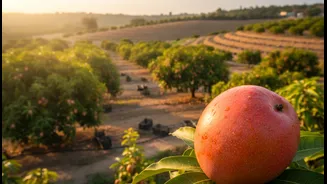
A well-executed festival does more than sell fruit; it helps build a destination's brand. By celebrating a region's unique agricultural heritage, a mango festival can put an area on the map for culinary and agricultural tourism. This concept, often called 'agritourism', aims to create immersive experiences that connect visitors with the land and the story behind their food. Some farms have successfully turned their festival into a broader 'mango tourism' experience, offering farm stays, orchard tours, and hands-on activities like ploughing or paddy planting. This strategy creates a year-round attraction, encouraging visitors to return and fostering a deeper appreciation for rural life and sustainable farming.