






What We Know About Flight AI 2030
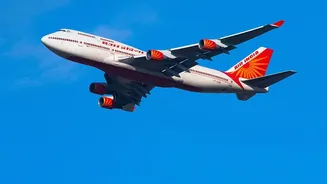
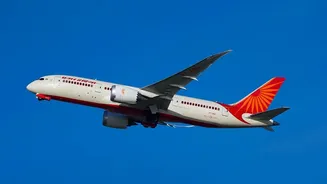
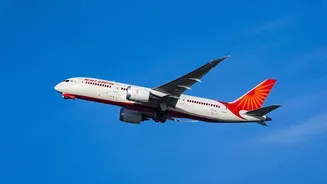
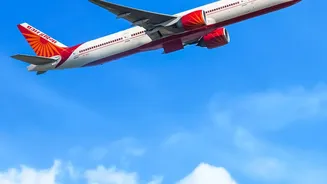
On October 14, Air India flight AI 2030, a Boeing 787 travelling from Frankfurt to Delhi, was diverted to Jaipur. This action was taken after Air Traffic Control (ATC) reportedly received a 'squawk 7500' signal, the internationally recognised transponder
code for unlawful interference or hijacking. The aircraft, carrying over 300 people, landed safely and was moved to an isolation bay where security agencies conducted thorough checks. Passengers were deplaned and underwent security screening again before being cleared to reboard and continue to Delhi. While initial reports described it as a hijack alert, Air India referred to it as a 'perceived security concern'. India's aviation regulator, the Directorate General of Civil Aviation (DGCA), has launched an investigation to determine the origin of the signal, with some reports suggesting a technical glitch in ATC systems is being examined, while the flight crew denied having entered the code.
The Anatomy of an Aviation Investigation
When an incident like this occurs, a highly structured process kicks in, designed to find facts, not fault. In India, serious incidents and accidents are handled by the Aircraft Accident Investigation Bureau (AAIB), an independent body under the Ministry of Civil Aviation. The DGCA handles other incidents, though the AAIB can take over any investigation it deems necessary. The primary goal of any probe is to determine the cause to prevent future occurrences. Investigators secure the aircraft and gather all relevant evidence, including the flight data recorder (FDR) and cockpit voice recorder (CVR), colloquially known as the 'black boxes'. They also collect maintenance records, weather reports, and conduct interviews with the crew, passengers, and air traffic controllers. This methodical collection of data is crucial and cannot be rushed.
The Dangers of Rushing to Judgment
In the age of social media, the demand for instant answers is immense. However, early speculation can be incredibly damaging. Misinformation can cause unnecessary public fear, unfairly tarnish an airline's reputation, and create undue pressure on investigators. Experts in the aviation community have long held an ethos against speculating on causes before an official report is released. An initial theory, no matter how plausible it seems, might be completely contradicted by the detailed analysis of flight data. For example, what might be speculated as pilot error could turn out to be a latent manufacturing defect or a software glitch. Premature conclusions can lead the public discussion down the wrong path, and in some cases, can impede the official investigation by creating a confusing narrative.
Why Patience Is Critical for Air Safety
Aviation is one of the safest modes of transport precisely because every incident is treated as a learning opportunity. The rigorous, data-driven approach of bodies like the AAIB ensures that safety recommendations are based on verified facts, not on rumour or incomplete information. An investigation can take months, or even over a year, to complete. This painstaking work might involve testing components, running simulations, and collaborating with international bodies like the aircraft manufacturer and the US National Transportation Safety Board (NTSB). The final report provides a detailed sequence of events and, most importantly, identifies the probable cause and contributing factors. These findings often lead to tangible safety improvements, such as changes in pilot training, maintenance procedures, or even aircraft design. It's this methodical process that underpins the safety culture of global aviation.