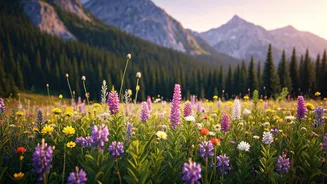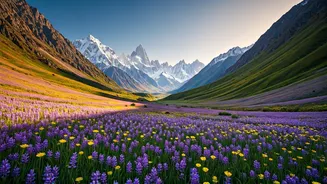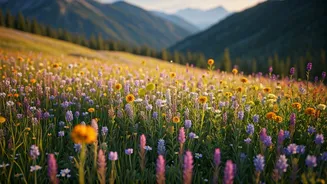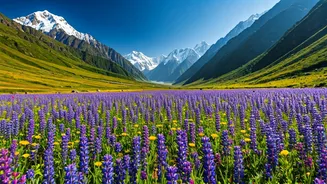






The Dream vs. The Reality
India is home to some of the world's most spectacular seasonal flower blooms. In Uttarakhand, the UNESCO World Heritage site, the Valley of Flowers, bursts into life during the monsoon. In Maharashtra, the Kaas Plateau transforms into a tapestry of tiny,
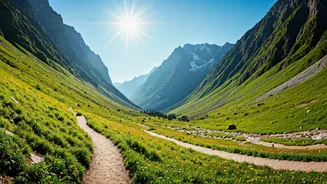
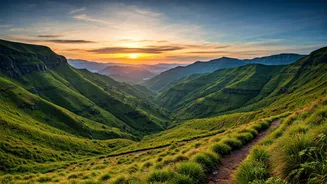
vibrant blossoms. And in the Northeast, the Dzukou Valley on the Nagaland-Manipur border offers a rolling green landscape dotted with lilies and rhododendrons. These natural spectacles attract thousands of visitors, but the journey to witness them is often a challenging trek at high altitudes, through unpredictable weather, and across difficult terrain. The reward is immense, but getting there safely and responsibly requires planning.
Boots on the Ground: Gearing Up
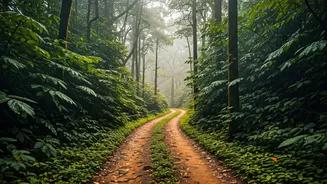
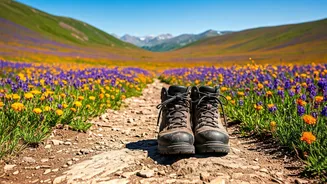
The word "trail" can be misleading. Many of these routes are not gentle walks in the park. The trek to the Valley of Flowers, for instance, involves covering around 35-40 kilometres over several days on rocky, uneven, and often slippery paths, especially during the monsoon rains which is the peak flowering season. This is where the "boots" come in. A pair of sturdy, waterproof trekking shoes with good ankle support is non-negotiable. Sports shoes or casual sneakers won't provide the necessary grip or protection against wet conditions and rough terrain. Beyond footwear, your packing list should include layers of warm clothing, as temperatures can drop significantly at night, even in August. A reliable waterproof jacket or poncho is also essential, as afternoon showers are almost a guarantee. Finally, trekking poles can be a huge help, providing stability on steep ascents and descents, particularly on the strenuous side-trip to Hemkund Sahib that many trekkers undertake.
The Permit Paper Chase
You can't just show up and walk into these protected wonderlands. Most of India's famous flower trails are located within national parks or ecologically sensitive zones, and access is strictly regulated to prevent overcrowding and environmental damage. To enter the Valley of Flowers National Park, for example, you must obtain a permit from the forest department. These permits often have a daily quota, meaning only a limited number of people can enter each day. Similarly, visiting the Kaas Plateau requires booking an entry pass online in advance, with visitor numbers capped daily to protect the fragile ecosystem. For Dzukou Valley, domestic tourists from outside Nagaland need to secure an Inner Line Permit (ILP) to even enter the state, in addition to paying entry fees at the trek's starting point. These rules are in place for a reason—to preserve the beauty you've come to see. Always check the official government tourism or forest department websites for the latest regulations, fees, and booking procedures well before your trip.
Patience is a Trekking Virtue
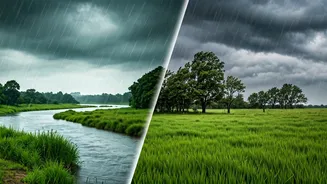
Finally, a successful trip requires a healthy dose of patience. First, there's the patience to time your visit correctly. The peak bloom for most Himalayan valleys like the Valley of Flowers is a very short window, typically from mid-July to mid-August. Go too early, and the flowers may not have bloomed; go too late in September, and they may have started to fade. Weather is another factor. Monsoon treks mean dealing with rain, mist, and potential landslides that can cause delays. Patience is also needed on the trail itself. High-altitude trekking demands that you move slowly and give your body time to acclimatize to avoid altitude sickness. You may also encounter crowds, especially during the peak season and on shared pilgrimage routes like the one to Hemkund Sahib. Embracing a slower pace and managing your expectations will not only keep you safe but allow you to fully appreciate the stunning, wild beauty around you.