




Why Car Prices Are on the Rise
It’s a trend that has been building momentum. Automakers are facing a multi-front battle against rising costs, and they are now passing a portion of that burden to customers. The primary reason cited by most companies is the sustained increase in input
costs. This refers to the price of raw materials essential for manufacturing, such as steel, aluminium, copper, and plastics, which have become more expensive. Beyond raw materials, a combination of higher operational expenses, inflationary pressures, and global macroeconomic uncertainties are also contributing factors. For some brands with significant international operations or imported components, foreign exchange volatility and logistics costs have further squeezed margins, making price adjustments unavoidable.
Which Major Brands Are Hiking Prices?
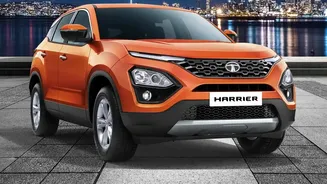
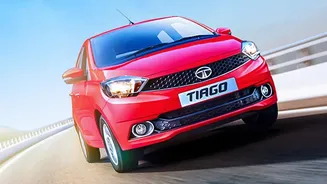
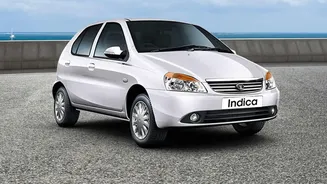
Several of India’s most popular carmakers have confirmed price revisions effective from September 1, 2026. Tata Motors has announced a hike of up to Rs 25,000 across its entire portfolio, including both petrol/diesel (ICE) and electric (EV) models. Similarly, Hyundai Motor India will increase prices by up to 1% across its model range. These two are not alone; this follows a price increase by market leader Maruti Suzuki in August. Other manufacturers like Mahindra & Mahindra and luxury brands like BMW had also revised their prices earlier in the year, pointing to a broader industry trend. More automakers are expected to make similar announcements as the festive season approaches.
How Much More Will You Pay?
The price hikes are not uniform across the board. Companies are applying a model and variant-specific approach. Tata Motors has specified a maximum increase of up to Rs 25,000, meaning the actual hike will depend on the specific car and variant you choose. For Hyundai, the increase is stated as up to 1%. To put that in perspective, a 1% increase on a car with a Rs 10 lakh ex-showroom price would translate to a hike of about Rs 10,000. It’s important to remember these increases are on the ex-showroom price, which will have a knock-on effect on the final on-road price, including taxes and insurance.
Your Move: To Buy Now or Wait?
This is the big question for many young buyers. Buying before September 1 can save you from the immediate price increase. If you have finalized a model from a brand that has announced a hike, booking now could be a financially sound decision. However, the decision isn't that simple. India's festive season, starting around October, is traditionally a time when manufacturers and dealers roll out attractive discounts, exchange bonuses, and special finance schemes to boost sales. These festive offers could potentially offset or even outweigh the current price hike. Your decision should be based on your urgency and financial readiness. If your need for a car is immediate, acting now makes sense. If you can wait a month or two, you might find compelling festive deals that offer better overall value.
A Checklist for the Young Buyer
Regardless of when you buy, a car is a major investment. First-time buyers should focus on a few key fundamentals. Start by setting a clear budget for the total on-road cost, not just the ex-showroom price. Your monthly EMI should ideally not exceed 15-20% of your take-home pay. Assess your real-world usage—city commute vs. highway travel, family size, and running costs—to choose the right body style (hatchback, SUV, sedan) and fuel type (petrol, EV, CNG). Prioritize essential safety features like airbags and ABS, rather than just cosmetic additions. Finally, always take a thorough test drive of the exact variant you plan to buy and check the service network and brand reliability before making a final call.