





The Rise of the Digital Butler
First, let's clarify what we mean by 'AI agents'. These aren't just chatbots. Think of them as digital butlers that can understand a request and then take action across different apps or services on your behalf. Instead of you opening an app to order
food, you might simply tell an agent like Meta's Muse or one from OpenAI, 'Order my usual Friday night pizza'. The agent is meant to handle the rest. The promise is a future with less tapping and more conversation, where agents manage the tedious tasks of digital life. It’s this promise that has companies like Uber, DoorDash, and Airbnb exploring how these new intermediaries will reshape their businesses.
Uber and DoorDash: AI for Transactions
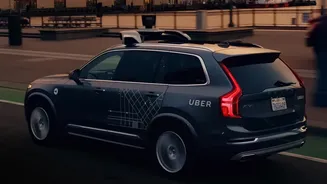
For Uber and DoorDash, the primary use case for AI is transactional efficiency. DoorDash, for example, launched an AI-powered voice ordering system to help restaurants capture phone orders they might otherwise miss during a dinner rush. More recently, it introduced a text-to-order agent that lets users place orders via Apple Messages without ever opening the DoorDash app. Uber is also leaning into AI, though its most significant efforts are currently internal, using agents to help engineers write and fix code more efficiently. However, recent earnings calls have revealed that consumer-facing AI agent usage is astonishingly low. During Halloween week, Uber saw just four rides and about 500 Uber Eats orders booked by third-party agents, out of 320 million total trips. Similarly, DoorDash reported only several hundred orders have been made via agents since they launched.
A Solution in Search of a Problem?
The low numbers from Uber and DoorDash point to a practical reality: some tasks are already too simple to need an AI middleman. Uber CEO Dara Khosrowshahi noted that ordering a ride already takes a median of 50 seconds, while re-ordering a meal takes about 90. For quick, habitual tasks, asking an agent can feel more complicated than just tapping a button in a familiar app. Analysts suggest these general-purpose agents may be overcomplicating things that weren't problems to begin with. The 'problem' they solve—saving a minute on a transaction—isn't compelling enough for most users to change their habits, at least not yet.
The Airbnb Anomaly: A Different Kind of Task
This brings us to Airbnb, where the story gets more nuanced. Like its peers, Airbnb reported a 'very non-material number' of bookings coming from external AI agents. But CEO Brian Chesky's explanation reveals a fundamentally different view of his company's service. He argues that planning a trip isn't a simple, routine task like ordering a taxi; it's an aspirational and enjoyable part of the experience itself. According to Chesky, around 80% of travelers say they enjoy researching their trips. People want to browse photos, compare homes, and discuss options with travel companions—activities not well-suited to a simple text-based command. He draws a line between 'item-based' retail, like getting something quickly, and 'project-based' retail, like planning a vacation.
Building a Better Agent, Not Just a Faster One
Instead of ceding the customer relationship to third-party agents, Airbnb is building its own specialized AI travel agent, set to roll out in the first half of 2027. Chesky envisions an experience far richer than a chatbot. Rather than just responding with text, Airbnb's agent will compose a custom interface in real-time, drawing from a library of maps, photos, calendars, and itineraries to help users plan. This aligns with the company's broader push to become 'AI-native,' using the technology to enhance product development and customer service internally. The goal isn't just to make booking faster, but to make the entire 'project' of travel planning better. This strategy suggests that for complex, high-consideration purchases, a specialized, integrated AI will beat a general-purpose one.