





The Charm and the Challenge
For decades, the names Shimla and Manali have been synonymous with a perfect mountain holiday. They promised cool air, stunning vistas, and a welcome break from city life. This appeal, however, has become their biggest challenge. In recent years, these
towns have begun to buckle under the pressure of their own popularity. What were once quiet colonial-era towns or peaceful valley hubs are now grappling with issues that feel distinctly urban: bumper-to-bumper traffic, severe water shortages during peak season, and overflowing waste management systems. Shimla, originally designed for a population of around 25,000, now hosts tens of thousands of visitors daily during holidays, putting immense strain on its infrastructure. The very peace that travellers seek is often lost in long queues for attractions and hours-long traffic jams on the narrow mountain roads.
A Search for Authenticity
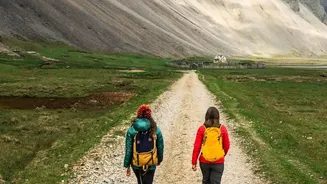
The shift away from these crowded centres is not just about avoiding inconvenience; it represents a change in traveller mindset. Modern explorers are increasingly looking for more than just a checklist of popular sights. They are in search of authentic cultural experiences, environmental serenity, and a genuine connection with nature. The experience of sitting in a car for hours, only to arrive at an overcrowded mall road, has led many to question the purpose of their getaway. This has sparked a growing interest in 'slow travel'—a more immersive and responsible way of exploring. Travellers now want to stay in homestays, interact with local communities, walk through untouched forests, and enjoy the mountains at a more personal, relaxed pace. This desire for quiet and authenticity is leading them to the hidden gems of Himachal.
Jibhi and Tirthan Valley: The Riverside Escape
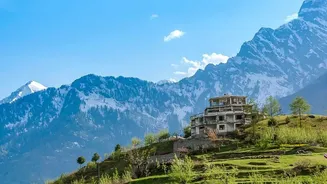
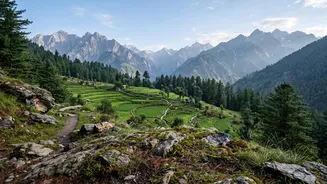
For those seeking a quiet, nature-centric holiday, the Tirthan and Banjar Valleys have become a sanctuary. Home to hamlets like Jibhi, Gushaini, and Shoja, this region offers a storybook setting of wooden cottages, dense pine forests, and the crystal-clear Tirthan River. Unlike the commercial buzz of larger towns, life here is slow and centred around nature. Days are spent trout fishing, hiking to hidden waterfalls, or simply relaxing by the river. As the gateway to the Great Himalayan National Park, the area is a paradise for trekkers and those who want to disconnect completely. It’s the ideal alternative for travellers who prioritise peace and ecological beauty over crowded markets.
Bir Billing: Adventure Meets Spirituality
While internationally famous as one of the world's best paragliding sites, Bir Billing offers much more than just adrenaline. The town of Bir is a vibrant hub of Tibetan culture, home to several peaceful monasteries and institutes for spiritual learning. This unique blend allows travellers to experience the thrill of soaring over the Kangra Valley in the morning and find quiet contemplation in a monastery in the afternoon. The area is also surrounded by lush tea gardens and offers numerous trails for walking and hiking. The relaxed cafe culture, popular with backpackers and digital nomads, makes it a destination where one can easily spend a week soaking in the atmosphere, proving it's more than just a landing site for paragliders.
Palampur and Andretta: An Artistic Retreat
Set against the majestic Dhauladhar mountain range, the region around Palampur offers a more refined and creative escape. Palampur itself is known for its sprawling tea estates that blanket the landscape in green. A short drive away lies Andretta, a quaint village that has been an artists' colony since the 1920s. Famous for its pottery studio, art galleries, and theatrical heritage, Andretta attracts those with a taste for culture and history. This area provides a perfect blend of scenic beauty and intellectual stimulation, allowing travellers to enjoy the quiet of the mountains while engaging with a rich artistic legacy, far from the tourist throngs.
Kinnaur Valley: Remote and Raw Beauty
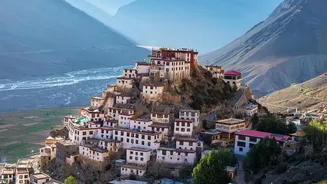
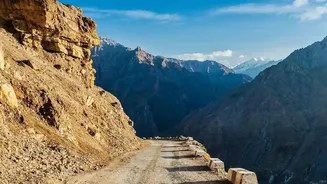
For the truly adventurous, the remote valleys of Kinnaur offer a glimpse into a different world. Villages like Kalpa, Sangla, and Chitkul—often called the last inhabited village on the Indo-Tibetan border—provide dramatic landscapes of stark mountains and verdant apple orchards. The journey itself is an adventure, but the reward is unparalleled serenity and a deep connection to a unique local culture. In places like Kalpa, visitors wake up to breathtaking views of the Kinner Kailash range. These destinations are for travellers who don't mind basic amenities and are looking for an unfiltered, untouched Himalayan experience, where the destination's raw beauty is the main attraction.