



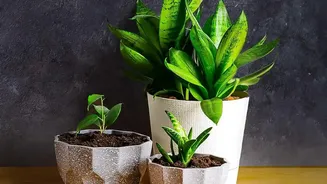
The 'Impossible to Kill' Factor
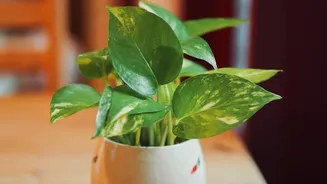
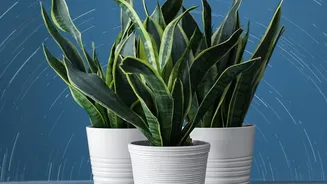
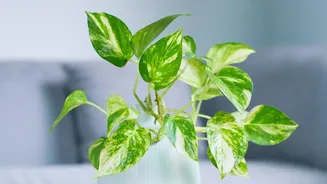
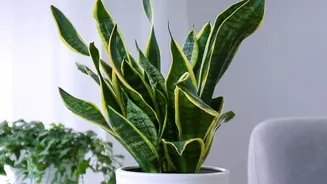
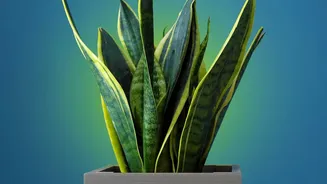
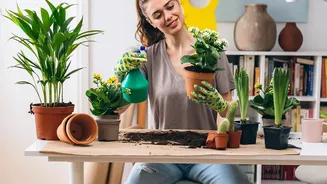
The number one reason beginners flock to snake plants (Dracaena trifasciata) and pothos (Epipremnum aureum) is their remarkable resilience. Both are famously forgiving, making them perfect for anyone who is still learning the ropes of plant care. The snake plant is a succulent,
meaning it stores water in its leaves and can tolerate long periods of drought; you can forget to water it for weeks and it will likely be just fine. In fact, the most common way to harm a snake plant is by overwatering it. It also thrives in a wide range of light conditions, from bright, indirect sun to low-light corners, making it ideal for bedrooms or offices that don't get a lot of sun. Pothos is similarly adaptable and communicates its needs clearly. Its leaves will visibly droop when thirsty and quickly perk up after a good watering, providing instant feedback for beginners. It's a fast grower that can recover well from periods of neglect, which builds confidence in new plant owners.
A Breath of (Slightly) Fresher Air
The idea that houseplants can purify indoor air is a major draw, largely thanks to a well-known 1989 NASA study. In that study, both snake plants and pothos were found to be effective at removing airborne toxins like formaldehyde and benzene from sealed laboratory chambers. This has led to their reputation as natural air purifiers. However, it's important to have realistic expectations. In a typical home with regular air circulation, you would need a very large number of plants to replicate the results of the sealed lab environment. While your single desk plant won't replace a proper ventilation system, it is still a small, positive contributor to your indoor ecosystem. The snake plant is particularly noted for releasing oxygen at night, making it a popular choice for bedrooms. Think of it as a small wellness boost rather than a powerful air-cleaning machine.
Effortless Desk-Sized Style
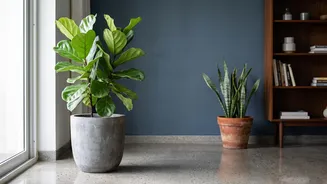
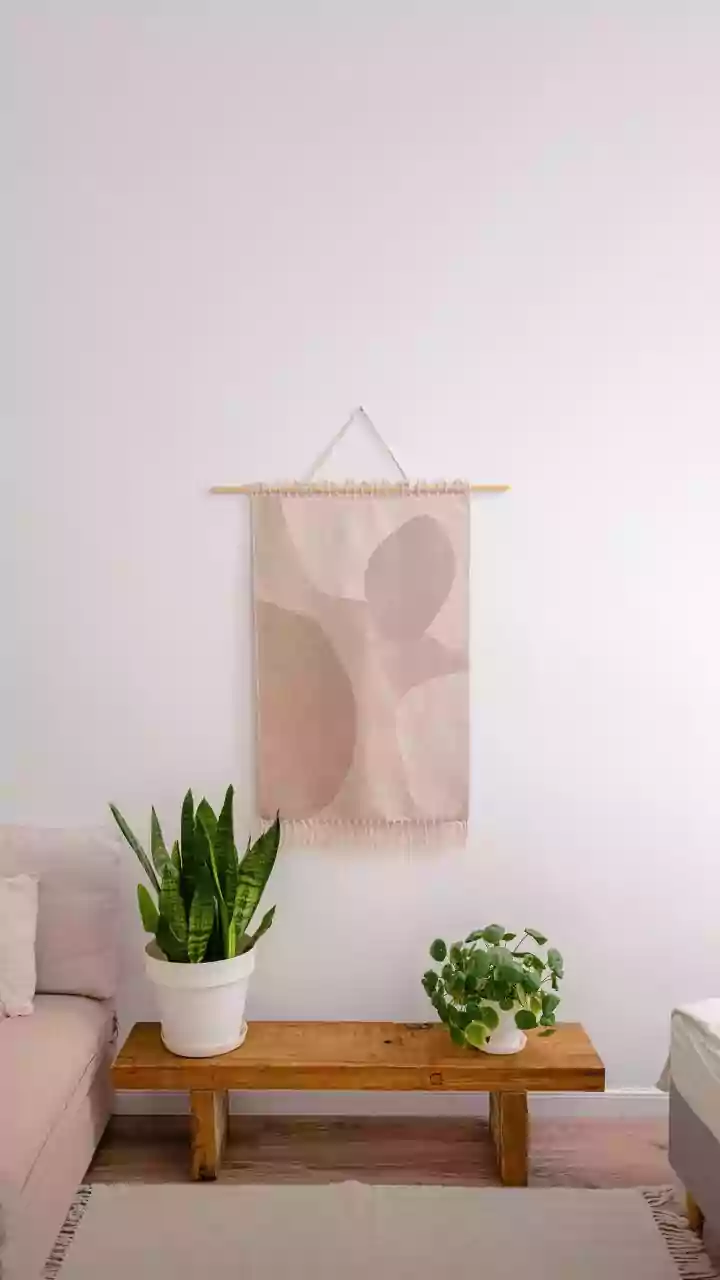
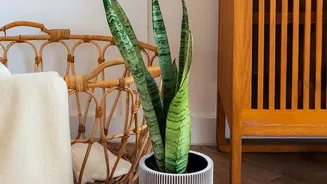
Beyond their practical benefits, both plants offer fantastic aesthetic value for decorating small spaces like a bedroom desk. The snake plant has a strong, architectural look with its upright, sword-like leaves. This vertical growth habit means it adds a touch of modern elegance without taking up a lot of horizontal space. There are also compact varieties, like the 'Bird's Nest' snake plant, that grow in a tight rosette perfect for smaller surfaces. Pothos, on the other hand, offers a lush, trailing aesthetic. Its heart-shaped leaves grow on vining stems that can be left to cascade beautifully over the side of a desk or bookshelf, or encouraged to climb a small trellis. With many varieties available, from the classic golden pothos to the speckled 'Marble Queen', you can easily find one that matches your personal style.
A Note for Pet Owners and Parents
While these plants are easy on beginners, they are not safe for curious pets or children if ingested. Both snake plants and pothos are considered toxic to cats and dogs. Pothos contains insoluble calcium oxalate crystals which can cause immediate and painful irritation to the mouth, lips, and tongue, leading to drooling, vomiting, or difficulty swallowing. Snake plants contain saponins, which can cause nausea, vomiting, and diarrhea if eaten. While ingestion is rarely fatal, it causes significant discomfort. If you have pets or small children, it's crucial to place these plants well out of reach, such as on a high shelf or in a hanging basket, to ensure everyone in your home stays safe.
Which One Should You Choose?
For the true beginner who is nervous about their schedule or tends to forget tasks, the snake plant is the ultimate choice. It thrives on neglect and is more tolerant of being underwatered than overwatered. Its slow and steady growth makes it a low-effort companion that always looks composed. If you want a plant that grows quickly and gives you more visual feedback, the pothos is a perfect match. Its rapid growth can be incredibly rewarding, and its drooping leaves are a clear signal that it's time to water. Its vining nature also offers more versatile styling options as it grows. Ultimately, you can't go wrong with either, as both are proven to be durable, adaptable, and beautiful additions to any indoor space.