
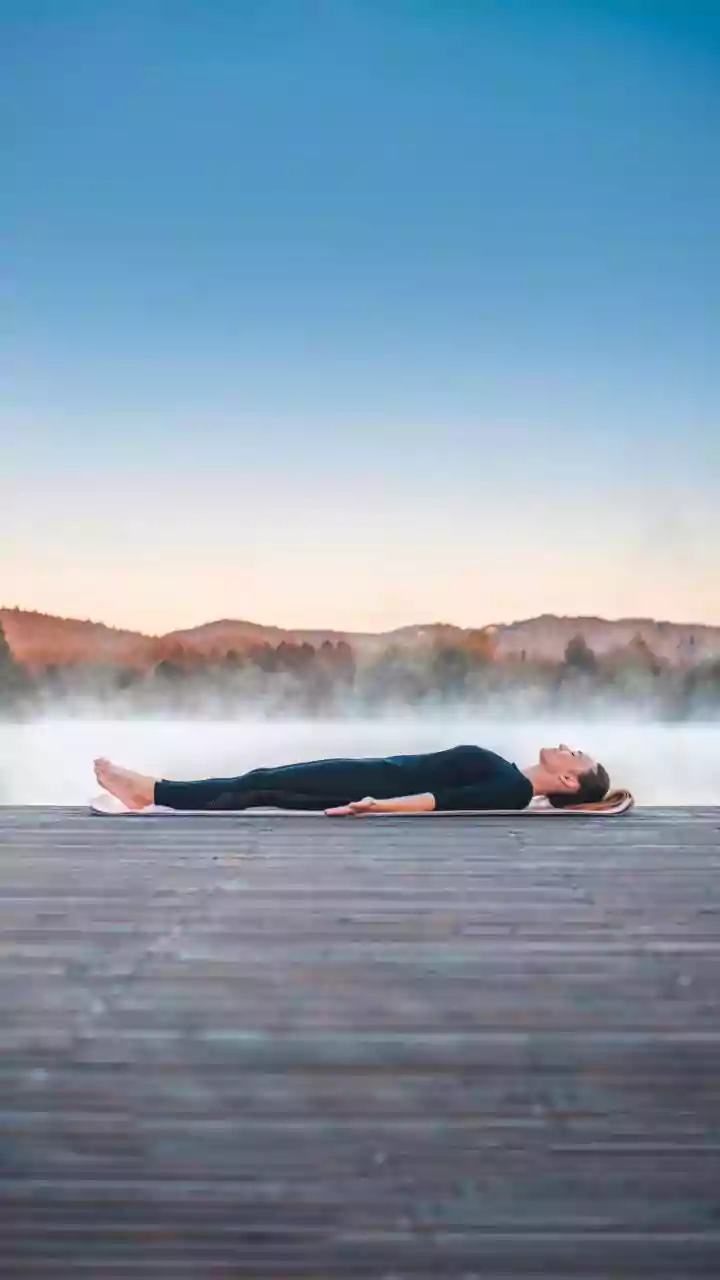




Why Mindful Movement Works
When we feel stressed, our body's 'fight-or-flight' response kicks in. Yoga and mindful breathing help activate the 'rest-and-digest' system, also known as the parasympathetic nervous system. This process helps lower the stress hormone cortisol, reduces
heart rate, and calms the mind. Studies have shown that even short, regular yoga practices can significantly reduce anxiety and improve focus in adolescents, which is a huge advantage during exam periods. The combination of physical postures and conscious breathing provides both immediate relief and long-term coping skills.
Cat-Cow Stretch (Marjaryasana-Bitilasana)
This gentle, flowing movement is perfect for warming up the spine and releasing tension built up from sitting at a desk. Start on your hands and knees in a 'tabletop' position, with wrists under your shoulders and knees under your hips. As you inhale, drop your belly towards the floor, lift your chest and tailbone, and look forward into Cow Pose. As you exhale, round your spine toward the ceiling, tucking your chin to your chest and pressing the floor away, like an angry cat. Continue flowing between these two poses for 5-10 breaths, letting your breath guide the movement. This stretch improves posture, relieves back pain, and calms the mind.
Child's Pose (Balasana)
Child's Pose is a deeply restorative and grounding posture that helps quiet a busy mind. From your hands and knees, bring your big toes to touch and sit your hips back onto your heels. You can keep your knees together or widen them for a deeper release. Fold forward, resting your torso between or on your thighs and bringing your forehead to the floor. Your arms can be stretched out in front of you or resting alongside your body with palms facing up. Hold for at least 30 seconds, focusing on deep, slow breaths to release tension in your back, shoulders, and hips.
Standing Forward Fold (Uttanasana)
This pose stretches the hamstrings, calves, and back while helping to calm the nervous system. Stand with your feet hip-width apart and keep a gentle bend in your knees. Hinge forward from your hips, leading with your chest, and let your head hang heavy toward the floor. You can let your arms dangle, rest your hands on your shins or on blocks, or clasp opposite elbows to add gentle weight. This inversion increases blood flow to the brain, which can help relieve fatigue and mild headaches. Stay here for 5-10 deep breaths, coming up slowly to avoid dizziness.
Legs-Up-The-Wall Pose (Viparita Karani)
This is a simple, passive pose excellent for deep relaxation and relieving tired legs after a long day of studying. Sit on the floor with one side of your body against a wall. Gently lower your back to the floor as you swing your legs up to rest against the wall. Wiggle closer so your sit bones are near the wall, but don't strain. Your arms can rest by your sides or on your belly. This pose helps improve circulation, reduces swelling in the legs and feet, and has a deeply calming effect on the nervous system. Stay for 5 to 15 minutes to feel the full benefits.
Mindful Breathing: The 4-7-8 Technique
You can do this simple breathing exercise anywhere, even right before walking into an exam. Sit comfortably with a straight back. Place the tip of your tongue against the tissue just behind your top front teeth. Exhale completely through your mouth, making a whoosh sound. Close your mouth and inhale quietly through your nose for a count of four. Hold your breath for a count of seven. Finally, exhale completely through your mouth with a whoosh sound for a count of eight. This completes one cycle. Repeat it three more times. This technique is a natural tranquilizer for the nervous system, helping to quickly reduce feelings of anxiety.