





The Protein Factor
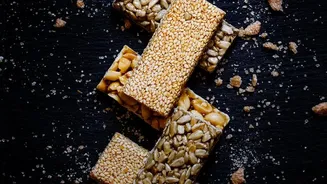
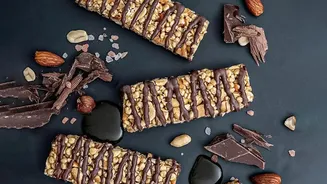
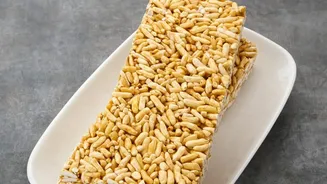
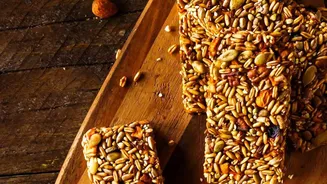
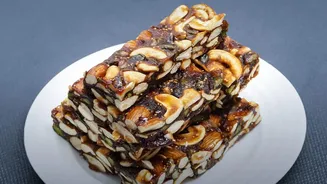
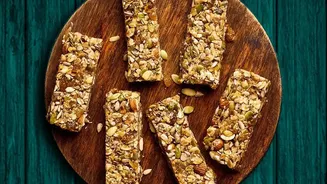
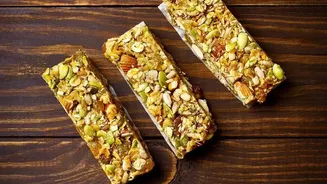
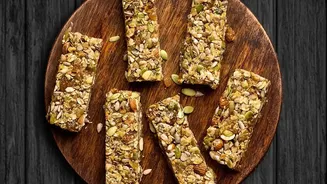
A protein bar’s primary purpose is in its name. Most bars on the market offer a significant protein punch, typically ranging from 15 to 25 grams per serving. This makes them a highly effective option for post-workout recovery to repair muscles or as a meal
replacement when you need to stay full. On the other hand, makhana is not a high-protein food. A 100-gram serving contains approximately 9 to 10 grams of protein. While this is a decent amount for a natural snack, it doesn't compare to the concentrated dose found in a specially formulated bar. If your main goal is to significantly boost your protein intake, a protein bar is the more direct choice.
Sugar and Processing
This is where the two snacks diverge dramatically. Makhana, in its plain roasted form, is a minimally processed whole food. It contains no added sugar and is naturally low in fat. Conversely, many protein bars are highly processed and can be packed with hidden sugars, sugar alcohols, and artificial ingredients to improve taste and shelf life. Some popular protein bars contain as much sugar as a candy bar, which can lead to unwanted calorie intake and blood sugar spikes. While healthier, low-sugar protein bars exist, you need to read labels carefully. If you're looking for a clean, natural snack without additives, makhana is the clear winner.
Calorie Count and Fat Content
If you're mindful of your calorie intake, makhana is an excellent option. A 100-gram serving of plain makhana has about 347 calories and is nearly fat-free, with only about 0.1 grams of fat. This makes it a light, voluminous snack that can help you feel full without being calorie-dense. Protein bars can be much more calorific, often ranging from 190 to over 350 calories per bar, with fat content between 5 to 13 grams. The added fats and sugars contribute to this higher calorie count. The way makhana is prepared matters; roasting it in ghee or oil will significantly increase its calorie and fat content, but plain roasted makhana remains a very light choice.
Vitamins, Minerals, and Overall Nutrition
Makhana is a natural source of several essential micronutrients. It is particularly rich in minerals like magnesium, potassium, and phosphorus. Magnesium is vital for muscle function and nerve health, while potassium helps regulate blood pressure. Many protein bars are fortified with vitamins and minerals, meaning these nutrients are added during manufacturing rather than occurring naturally. While this can make them seem nutritionally complete, consuming nutrients from whole-food sources like makhana is often considered more beneficial for overall health. Makhana also contains antioxidants like kaempferol which help fight inflammation.
Convenience and Cost
Protein bars excel in convenience. They are the ultimate grab-and-go snack, requiring no preparation, making them perfect for busy schedules, travel, or an immediate post-gym refuel. However, this convenience comes at a price, as protein bars are generally more expensive per serving than whole foods. Makhana is a more budget-friendly snack, but it often requires some preparation, such as roasting and seasoning at home, unless you buy pre-packaged, flavored versions. The choice here depends on whether you prioritize cost-effectiveness and natural ingredients or absolute convenience.
The Final Verdict: Which is for You?
Choosing between a protein bar and makhana depends entirely on your goal. Choose a protein bar if: - You need a quick, high-protein source for muscle recovery after a workout. - You are looking for a convenient meal replacement on a busy day. - Your primary goal is to hit a high daily protein target. Choose makhana if: - You want a light, low-calorie, and low-fat snack for weight management. - You prefer whole, minimally processed foods with no added sugar or artificial ingredients. - You are looking for a guilt-free snack to curb hunger between meals.