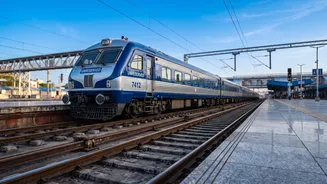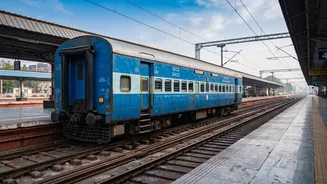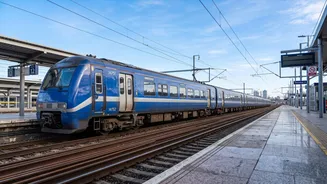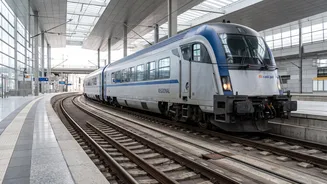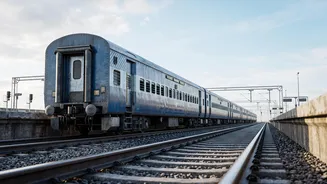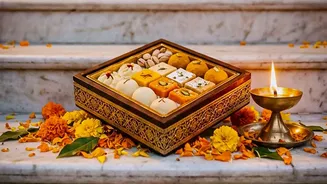




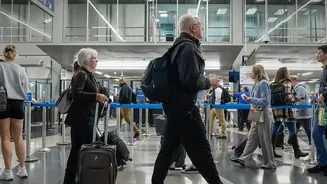
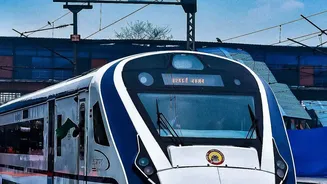
The annual Diwali travel frenzy is upon us, turning railway stations into a sea of humanity. But a chaotic journey doesn't have to be your story. With a bit of foresight and planning, you can navigate the rush and start your festival on a calmer note.
Beyond the Booking Window: Hunt for Special Trains
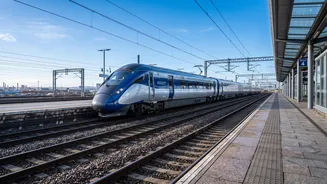
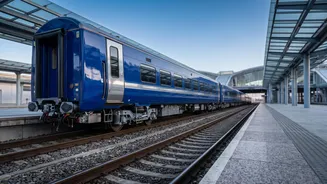
By early November, regular train tickets for the Diwali period—which falls on November 8 in 2026—have long been waitlisted. However, your journey home isn't a lost cause. Indian Railways announces numerous 'Festival Special' trains to manage the holiday rush, often just a few weeks or days before departure. These trains, typically identifiable by a 5-digit number starting with '0', are your best bet for a confirmed seat. Monitor the official IRCTC website, the NTES app, and the social media accounts of zonal railways like Northern or Eastern Railway for these announcements. Recently, Eastern Railway announced several unreserved special trains from Kolkata and Sealdah to destinations in Bihar and Uttar Pradesh, allowing travel without a prior reservation. Similarly, South Central Railway has reported vacant berths on services from Telangana to Delhi, UP, and Bihar. Be ready to book the moment these specials are announced, as they fill up within hours on high-demand routes.
Pack Smart, Travel Light
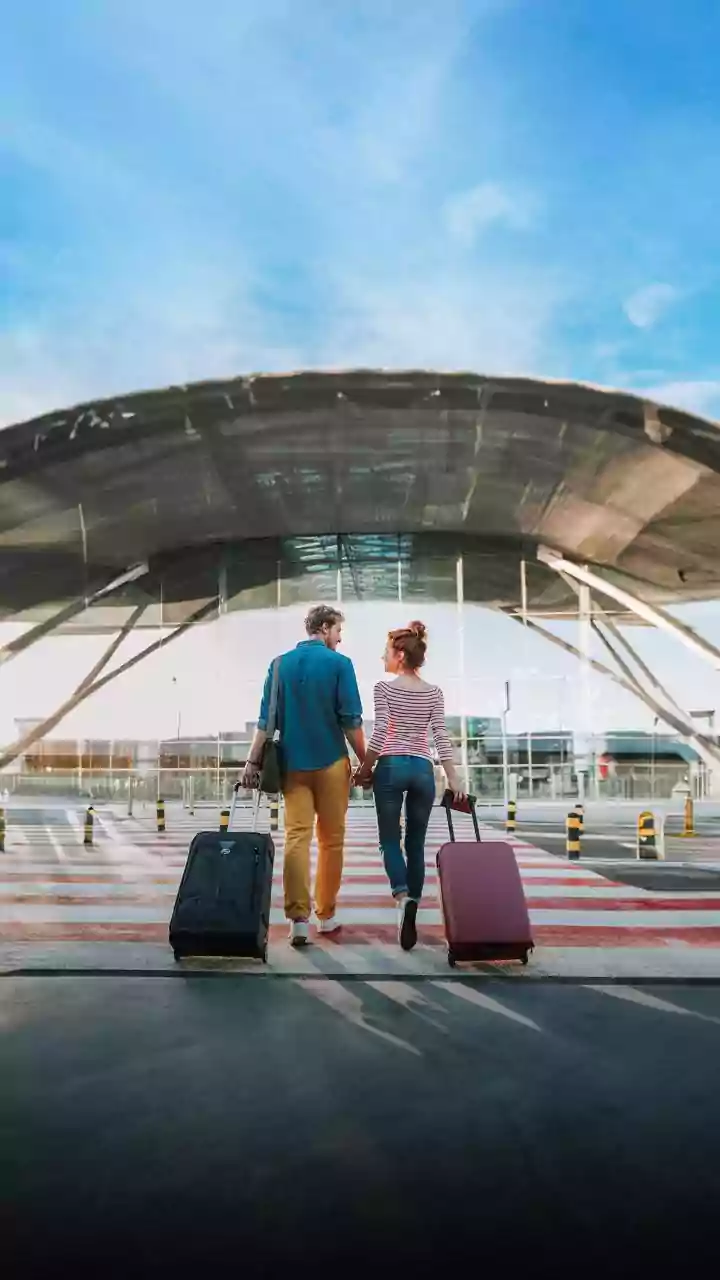
Navigating a crowded platform with bulky luggage is a nightmare. Indian Railways has specific luggage allowances that vary by class—for example, 40 kg for Sleeper Class and up to 70 kg for AC First Class. Exceeding these limits can lead to hefty fines if caught. More importantly, oversized bags are difficult to manage and store. Stick to essentials and consider using soft, compact bags that fit easily under the berth. Keep valuables, tickets, and a water bottle in a small, accessible bag. Remember, carrying inflammable items like firecrackers is strictly prohibited and dangerous. A new feature also allows passengers with confirmed tickets to pre-book excess luggage online through the IRCTC platform, saving you a trip to the parcel office.
Master the Station with Technology
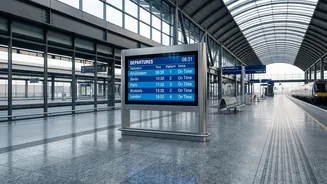
The chaos isn't just on the train; it begins at the station. Aim to arrive significantly earlier than usual—the extra time is a buffer against traffic and long queues. Before you leave home, use an app like 'Where is my Train', IRCTC Rail Connect, or NTES to check your train's live running status, platform number, and even your coach's position. Knowing your coach's exact location on the platform can prevent that final, frantic sprint down the length of the train as it pulls in. Many of these apps work offline, using cell tower information to track the train, which is invaluable if your network is patchy. Sharing your live train location with family also adds a layer of safety and coordination.
The Art of the Alternative Route
If a direct train is completely booked, think in segments. This strategy, known as a 'break journey', involves booking tickets for two separate legs of your trip. For instance, if you can't find a ticket from Delhi to Patna, you might find a seat from Delhi to Kanpur, and then another from Kanpur to Patna on a different train. This requires more planning but can sometimes be the key to securing a confirmed berth. You can also look for trains to or from nearby, lessstequented stations rather than just the main city hub. Flexibility with your travel date by even a day or two can also make a huge difference in ticket availability.
Plan Your Return Journey Now
The rush doesn't end on Diwali. The return journey is often just as crowded, with a massive surge of passengers heading back to major cities in the days following the festival. Often, travellers focus so much on getting home for the festival that they forget to book their return ticket, only to find everything sold out. When booking your initial trip, plan and book your return ticket at the same time if your dates are confirmed. The peak return rush typically happens in the 5–7 days after the main festival day. If your schedule allows, travelling a little later can help you avoid the worst of the crowds and potentially find more available seats.