



The Digital Idli Explosion
Scroll through a food delivery app, and you'll see the evidence. In the last year, Swiggy reported delivering a staggering 33 million plates of idlis, making it the second-most ordered breakfast item after masala dosa. The top ordering cities are Bengaluru,
Hyderabad, and Chennai, but the love for idli extends nationwide to cities like Mumbai, Delhi, and Kolkata. The data reveals a clear pattern: while restaurant menus might offer two or three basic types, the digital marketplace is a bustling hub of idli commerce. One user in Hyderabad famously spent ₹6 lakh in a single year on over 8,400 plates of idlis, showcasing an enthusiasm that platforms are happy to cater to.
Beyond the Plain and Rava
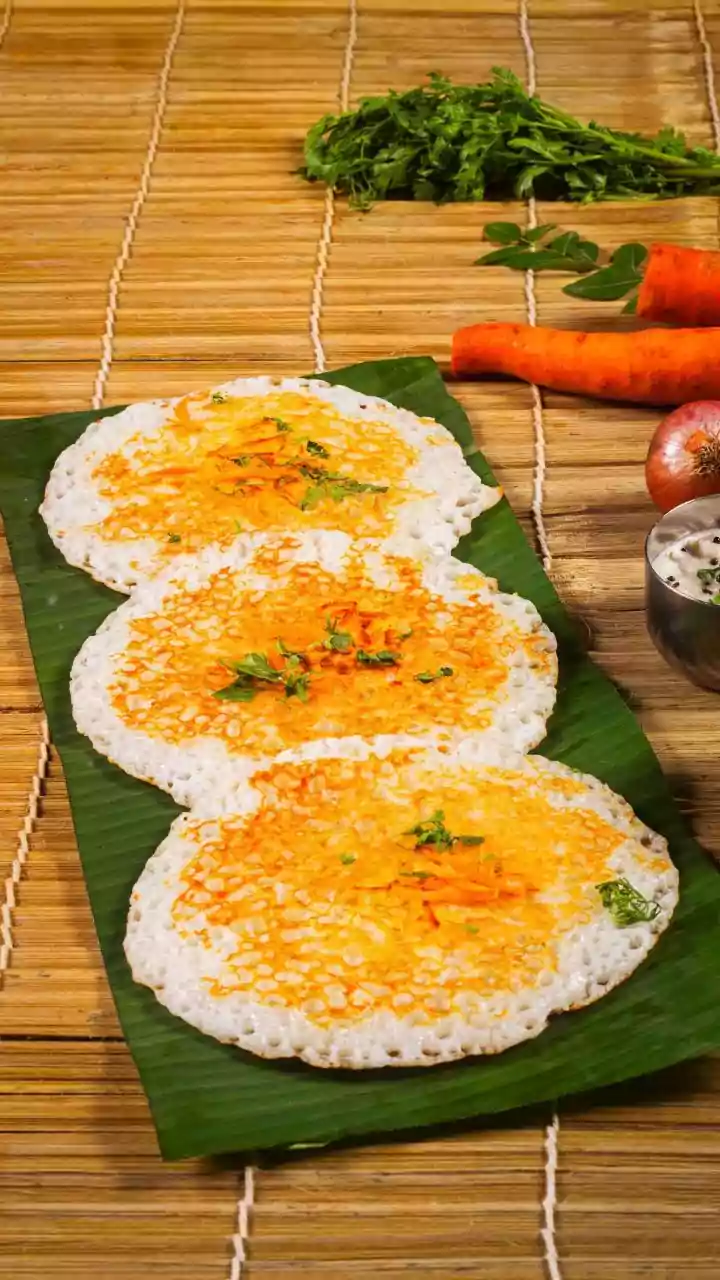
In a typical dine-in restaurant, you’re likely to find plain idli, perhaps rava idli, and maybe a mini idli sambar. The economics of a physical restaurant—limited kitchen space, the need for consistent, quick service, and a menu that appeals to the broadest audience—often discourages extensive variety. The online world, however, has no such constraints. Recipe blogs and YouTube channels are overflowing with endless variations: from healthy alternatives like moong dal, ragi, and millet idlis to creative fusion concepts. You’ll find everything from Thatte idli (a flat, plate-sized version from Karnataka) to Ramasseri idli (a soft, thin variant from a specific village in Kerala).
The Cloud Kitchen Revolution
This online variety is largely powered by cloud kitchens and home chefs. Operating without the high overheads of a physical restaurant, these delivery-only businesses can afford to specialise and experiment. A cloud kitchen dedicated entirely to idlis can offer a dozen types, from traditional Chettinad and Udupi styles to modern inventions, catering to niche tastes. They use data from ordering platforms to track what's trending and can quickly introduce new items like ghee karam podi idli, which is hugely popular in Andhra Pradesh and Telangana, without overhauling a physical menu. This agility allows them to serve a dynamic market that craves novelty alongside tradition.
A Dish Made for the Social Media Age
Idli's simple, white canvas makes it the perfect base for culinary creativity, which thrives on visual platforms like Instagram. Food bloggers and home cooks are constantly creating new, eye-catching versions. We've seen blue idlis made with pea flowers, black 'detox' idlis, and even an 'idli burger' where the buns are replaced by thick rice cakes. This 'camera eats first' culture encourages experimentation. While some viral trends like 'lava idli' (with sambar-filled golgappas inside) might not appeal to purists, they generate buzz and keep the conversation around idli exciting and fresh. This endless stream of user-generated content ensures the idli is always being seen in a new light.
The Pandemic's Lasting Impact
The shift towards home cooking and online ordering, massively accelerated by the pandemic, has also played a crucial role. With more people eating at home, the demand for convenient, healthy options skyrocketed. Idli, being steamed and nutritious, was a natural fit. This spurred the growth of ready-to-use idli batter companies, with some building massive factories to meet the demand. This boom in home consumption made people more familiar with the dish, and in turn, more adventurous in ordering different versions from the comfort of their homes when they chose not to cook.