




Understanding the Clutter Magnet
Every home seems to have one. It’s the flat surface, often near the entryway or in the kitchen, that becomes a designated “drop zone.” Keys, mail, stray papers, sunglasses, and items that have yet to find a permanent home all congregate here. This phenomenon
isn't about laziness; it's about convenience and a lack of clear systems. When we walk in the door with our hands full, we look for the easiest place to drop things. If a surface is empty and accessible, it sends an unconscious signal that it's available for storage. Over time, this temporary drop-off spot becomes a permanent clutter hotspot, creating visual stress and making it harder to find what you need. Acknowledging why this happens is the first step toward fixing it.
Press the Great Reset Button
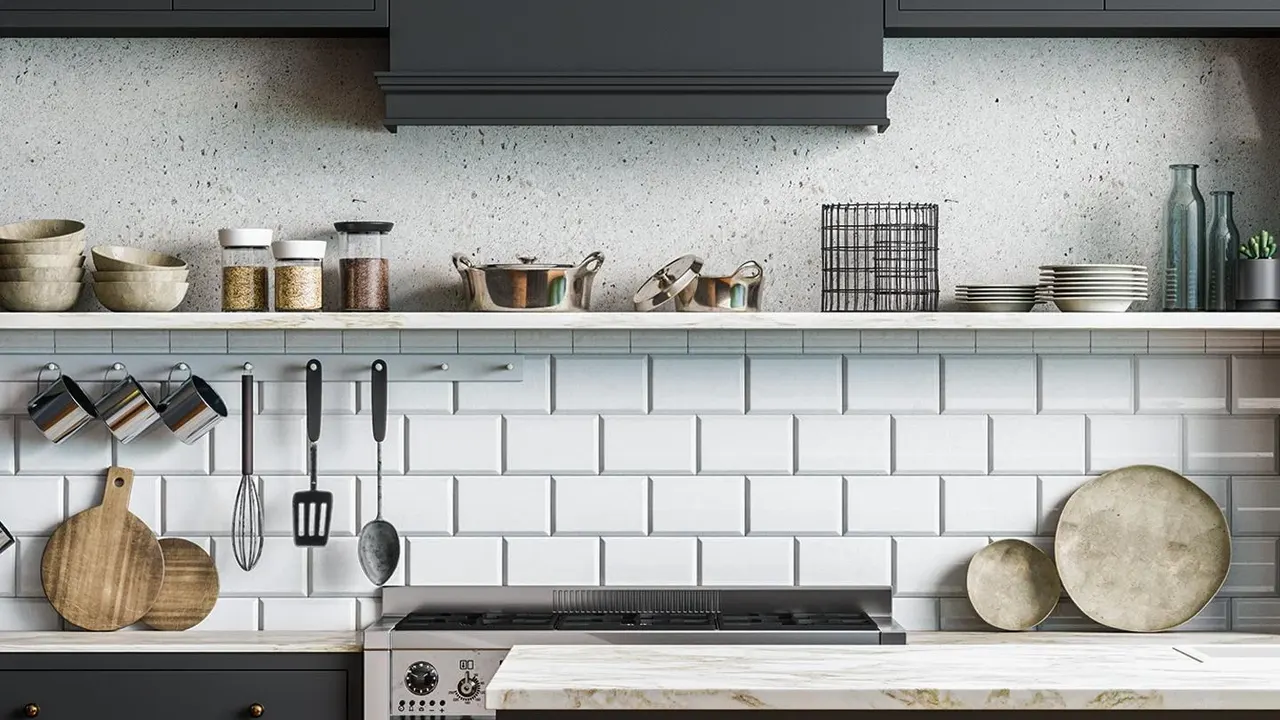
Before you can create a new system, you must first reclaim the space. This means clearing the entire surface, no matter how daunting the pile has become. Set aside some time to tackle it head-on. Sort everything into simple categories: keep, donate, or discard. For the items you’re keeping, the next step is crucial: do not simply move the pile somewhere else. The goal is to put every single item back in its proper home. If an item doesn't have a designated home, create one now. This initial clear-out is the most labour-intensive part of the process, but it provides a clean slate and the motivation needed to prevent the clutter from returning. It’s a powerful visual reminder of what the space can and should look like.
Have a Conversation, Not a Confrontation
In a shared home, clutter is a team sport, and so is the solution. The key to lasting change is getting everyone on board. Approach the conversation not as an accusation, but as a collaborative effort to make the home more pleasant for everyone. You could say something like, “I’ve noticed this shelf gets really cluttered and it’s stressing me out. Can we figure out a better system together?” Discussing the issue openly allows everyone to understand the impact and feel a sense of shared responsibility. Define what “tidy” means to everyone involved and agree on a new plan for the space. This transforms the task from a personal crusade into a household goal.
Give Everything a Designated Home
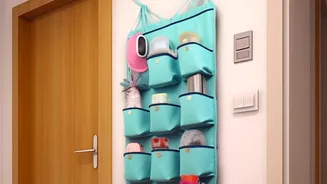
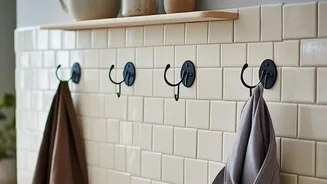
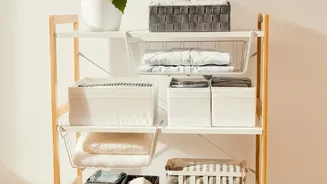
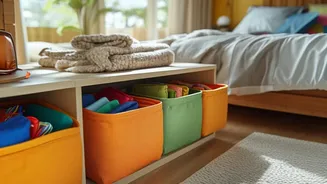
The golden rule of organization is that every item needs a home. Clutter accumulates when items are homeless. For that former drop-zone, you need to create intentional storage solutions. This doesn't have to be complicated or expensive. A simple tray can corral keys and wallets, making the surface look intentional rather than messy. A stylish wall-mounted mail holder can keep paper piles off the counter. For larger items, consider adding hooks for bags or placing a designated basket for shoes near the door. The goal is to create zones for different types of items, making it just as easy to put something in its correct spot as it was to drop it on the shelf. For families, using labels and low hooks can empower even young children to tidy up their own things.
Build a System for Maintenance
A one-time cleanup is not enough; you need a sustainable system to maintain order. This is less about strict rules and more about building easy habits. One effective strategy is the “five-minute tidy” at the end of each day. Everyone takes five minutes to return any stray items from the common areas to their proper homes. Another idea is to establish a weekly reset schedule where the shelf or counter is cleared as part of a regular routine. Creating a habit is what prevents the clutter from creeping back. The system should be simple enough that it doesn’t feel like a major chore, ensuring that everyone is more likely to stick with it over the long term.