





A Sky Crowded With Risk
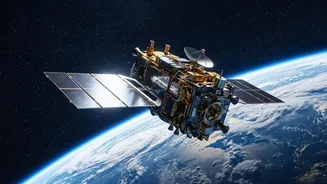
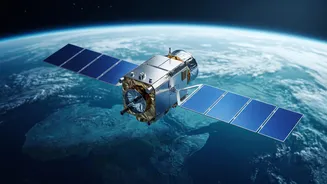
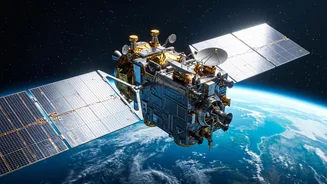
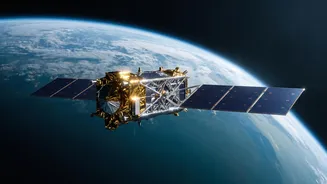
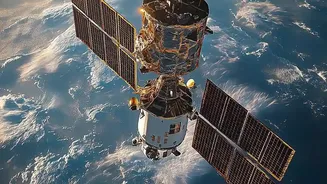
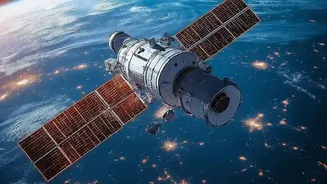
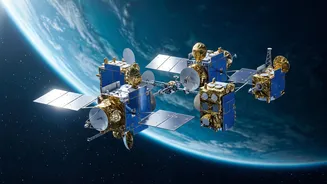
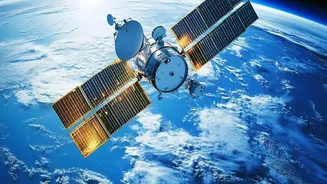
The space around our planet is becoming dangerously congested. Low Earth Orbit (LEO), an orbital band up to 2,000 kilometres in altitude, is now home to tens of thousands of tracked objects. This includes thousands of active satellites that power everything
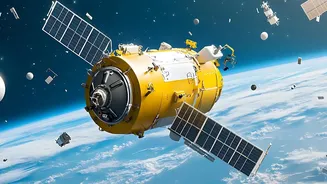
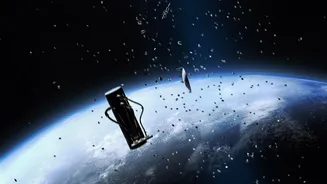
from Starlink internet to global logistics, but also a vast and growing cloud of 'space junk'. This debris consists of defunct satellites, discarded rocket stages, and millions of smaller fragments from past breakups, all travelling at speeds of over 28,000 kilometres per hour. At that velocity, even a small paint fleck can inflict significant damage on a functioning satellite. Recent reports from the European Space Agency (ESA) confirm that with about ten new payloads launched daily, the orbital environment is becoming cluttered faster than ever before.
The Domino Effect of Orbital Debris
A key concern highlighted by recent studies is the growing possibility of the 'Kessler Syndrome'. First theorized by NASA scientist Donald Kessler in 1978, this scenario describes a runaway chain reaction where a collision in orbit generates a cloud of debris, which in turn increases the likelihood of more collisions, creating even more debris. This could eventually render entire orbital regions unusable for generations. Once a distant theory, ESA's latest environmental reports suggest that even if all launches stopped today, the amount of junk already in orbit is dense enough to continue generating new debris through collisions on its own. The rapid expansion of satellite mega-constellations, while revolutionary, significantly increases the number of close approaches and potential impact events, pushing the environment closer to this critical tipping point.
When Orbit Fails, Earth Feels It
The consequences of a degraded orbital environment are not confined to space. Our daily lives are deeply intertwined with satellite services. A significant loss of satellites could disrupt GPS navigation for transport and emergency services, cripple financial markets that rely on satellite-based timing signals, and sever global communication links. Weather forecasting, climate monitoring, and scientific research would also be severely hampered. The economic impact would be dramatic, with the loss of multi-million dollar assets compounded by the disruption to countless industries on the ground. Recent risk models are now attempting to quantify these vulnerabilities, translating orbital collision probabilities into real-world economic and infrastructural costs.
The Search for Resilience
In response to the mounting risk, a new focus on orbital 'resilience' is emerging. This involves a multi-pronged approach to both prevent new debris and clean up what is already there. A primary component is enhanced Space Traffic Management (STM). Like air traffic control for space, STM systems aim to track objects, predict potential collisions, and coordinate avoidance manoeuvres. At the same time, a new industry focused on Active Debris Removal (ADR) is developing technologies like robotic arms, nets, and harpoons to capture and de-orbit the most dangerous pieces of junk. Missions from agencies like ESA and private companies are already testing these concepts in orbit, marking the first steps toward actively cleaning the space environment.