

A Tale of Two Indias
The 2026 UN report on global nutrition paints a picture of a nation at a crossroads. On one hand, there's been commendable progress in reducing outright hunger. On the other, the country is now grappling with what experts call the “double burden” of malnutrition:
the simultaneous existence of undernutrition and a rapid rise in obesity and diet-related non-communicable diseases (NCDs). This means that while many, particularly children, still suffer from stunting and micronutrient deficiencies like anaemia, a growing portion of the population is facing lifestyle diseases such as diabetes and heart conditions. The report suggests these issues are two sides of the same coin, both stemming from a lack of access to high-quality, nutritious food, not just a lack of calories.
Why 'Eating Enough' Isn't Enough
For decades, the focus was on ensuring people had enough to eat. Now, the conversation has shifted to what we are eating. Unhealthy diets are a primary driver of disease in India, contributing to over half of the country's total disease burden. The increased consumption of ultra-processed foods, often high in sugar, salt, and unhealthy fats, is a major culprit. These foods fill the stomach but provide poor nutritional value, leading to weight gain without addressing underlying nutrient deficiencies. The UN findings show that even as hunger declines, the affordability of a truly healthy diet remains a major challenge for a significant percentage of the population, forcing many to rely on cheaper, energy-dense but nutrient-poor options.
The Blueprint: India's 'My Plate for the Day'
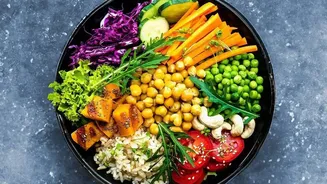
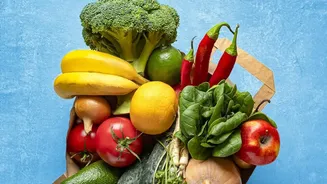
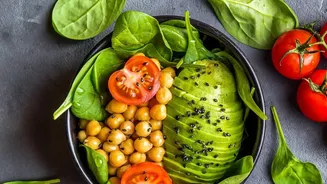
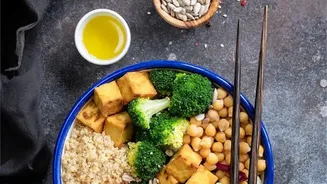
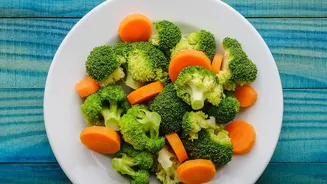
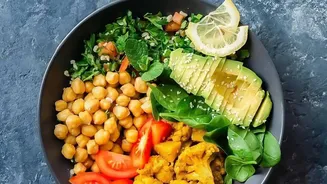
So, what does a balanced meal look like in the Indian context? The National Institute of Nutrition (NIN) has provided a simple, powerful visual guide: 'My Plate for the Day'. This model recommends that vegetables, greens, and fruits should make up half of your plate at every meal. The other half should be divided between cereals and millets (like whole wheat, brown rice, or jowar) and protein sources like pulses (dal), beans, eggs, or lean meat. A small portion of healthy fats from nuts and seeds, along with a serving of milk or curd, completes the picture. The goal is diversity, ensuring you get a wide range of vitamins, minerals, and fibre, not just carbohydrates and energy.
Simple Swaps for a Healthier You
Adopting a balanced diet doesn't require a radical, expensive overhaul of your kitchen. It's about making small, consistent changes. The latest dietary guidelines for Indians offer practical advice. Start by consciously adding more vegetables to every meal—a side salad, a mixed vegetable sabzi, or incorporating greens into your dal. Try swapping refined grains like white rice or maida with whole grains or millets a few times a week. Reduce the sugar in your daily tea or coffee and limit processed snacks. Planning your meals for the week can also help ensure you're eating a variety of foods and reduce the temptation to order less healthy takeaway options. The key is to focus on including more of the good stuff, rather than just restricting the bad.