








The Age of the Burnout Weekend
For years, the weekend transformed from a time of rest into a frantic catch-up period. It became a spillover container for unfinished work, endless chores, and the societal pressure to be constantly productive. This relentless pace, coupled with being
perpetually online, has led to a collective state of exhaustion. The constant stream of notifications, emails, and social media updates creates a heightened state of stress and anxiety, making it nearly impossible to truly disconnect. This has given rise to the 'Sunday scaries,' a common feeling of dread that begins Sunday afternoon as the reality of the impending work week looms, preventing genuine rest when it's needed most. The result is starting the week not refreshed, but already depleted.
What is Mindful Weekend Living?
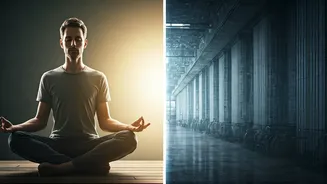
Mindful weekend living is the conscious choice to reclaim your time for genuine rest and intentional activities. It's not about being lazy or unproductive; it's about choosing presence over pressure. This philosophy is part of a larger 'slow living' movement, which prioritises doing fewer things better and creating space for joy. A mindful weekend means shifting your focus to what truly recharges you, whether that’s a quiet morning with a book, a walk in nature, or being fully present with loved ones without digital distractions. The goal is to end the weekend feeling restored and mentally prepared for the week ahead, not just like you’ve survived another two days. It’s about being the boss of your own time.
Why the Shift is Happening Now
The return to mindful weekends is a direct response to widespread digital burnout. After a decade dominated by hustle culture, many are realising that being perpetually 'on' is unsustainable. The pandemic played a significant role, blurring the lines between work and home and prompting a mass re-evaluation of personal well-being. As a result, rest, mental clarity, and emotional stability are becoming the new status symbols. This cultural shift is visible across social media, where content celebrating slow routines and mental wellness is replacing the glorification of busyness. Younger generations, in particular, are championing this move towards reflection and self-compassion over constant reinvention.
How to Start Your Mindful Weekend
Embracing a mindful weekend doesn't require a dramatic life overhaul. It can start with small, intentional actions. One of the most effective first steps is a partial digital detox. This could mean designating a few hours as screen-free time, turning off work notifications from Friday evening to Monday morning, or leaving your phone in another room during meals. Another powerful practice is to connect with nature, as spending time outdoors is proven to decrease stress. You can also try 'single-tasking'—fully immersing yourself in one activity at a time, like cooking a meal, listening to music, or reading, without any other distractions. The key is to choose activities that bring you joy and energy, rather than draining them.
Making It a Lasting Habit
To make mindful living a permanent part of your weekends, consistency is more important than intensity. Start small to build momentum without feeling overwhelmed. You could begin by dedicating just your Saturday morning to mindful practices. Plan something to look forward to, whether it's a visit to a local market, a new yoga class, or trying a new recipe. Many find that creating a small ritual, like writing in a journal or a short meditation session, signals to the brain that it's time to unwind. In India, there's a growing interest in weekend wellness retreats that offer everything from yoga and meditation to silent immersion and nature walks, providing a structured way to disconnect. Ultimately, the goal is to be kind to yourself and recognise that true rest is not a luxury, but a necessity for long-term health and happiness.