







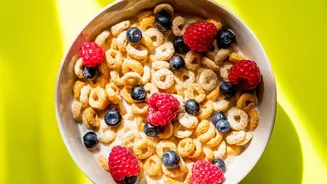
Defining Ultra-Processed Foods
To understand the science, we first need a clear definition. Researchers use a system called NOVA, which classifies foods into four groups based on their level of processing. Group 1 is unprocessed or minimally processed foods like fresh fruits, vegetables,
grains, and meat. Group 2 includes processed culinary ingredients like oils, salt, and sugar. Group 3 covers processed foods, which are combinations of the first two, such as canned vegetables or freshly baked bread. Ultra-processed foods (UPFs) are in a category of their own: Group 4. These are not just modified foods, but industrial formulations. They typically contain five or more ingredients, including substances you wouldn't find in a home kitchen, like protein isolates, hydrogenated oils, high-fructose corn syrup, and various additives like colours, flavours, and emulsifiers designed to make them hyper-palatable. Think packaged snacks, sugary drinks, instant noodles, and many ready-to-eat meals.
The Latest Scientific Consensus
Recent research has solidified the link between high UPF consumption and negative health outcomes. A major 2024 umbrella review of studies involving nearly 10 million people found direct associations between diets high in UPFs and 32 different health problems. The evidence is particularly strong for a higher risk of cardiovascular disease-related death, type 2 diabetes, obesity, and common mental health issues like anxiety and depression. One study highlighted that people with the highest intake of UPFs had a significantly higher risk of heart attack and stroke. It's not just an issue for adults; research shows that a high percentage of children's daily calories now come from UPFs, which is linked to childhood obesity and can establish unhealthy eating patterns for life. This growing body of evidence shows a consistent pattern: the more UPFs people eat, the higher their risk for a wide range of chronic diseases.
Why Are They So Harmful?
The problem with UPFs isn't just their high content of salt, sugar, and unhealthy fats. While that's a major factor, new science suggests the issues run deeper. The industrial processing itself appears to play a role. This processing destroys the natural cellular structure of the food, often stripping out beneficial fibre and micronutrients. Furthermore, UPFs are engineered to be hyper-palatable, meaning their combination of fat, sugar, and flavourings can stimulate reward pathways in the brain, encouraging overconsumption. They are often softer and require less chewing, which leads people to eat more calories before their body’s fullness signals can kick in. Research also points to the thousands of additives used to improve texture, shelf life, and taste, some of which may negatively impact the gut microbiome—the community of healthy bacteria in our digestive system that plays a crucial role in everything from immunity to mental health.
Making Smarter Choices
Given their convenience and prevalence, avoiding all UPFs is unrealistic for most people. The goal isn't purity, but balance. The key takeaway from nutrition experts is to reduce reliance on UPFs and prioritise whole or minimally processed foods. Start by reading ingredient lists. If you see a long list of unfamiliar chemical names and substances not used in home cooking, it's likely a UPF. Swapping a packaged snack for a piece of fruit, choosing plain yoghurt over a flavoured one, or cooking a simple meal from scratch instead of relying on a ready-to-heat dinner are practical first steps. Not all processed foods are harmful; canning beans or freezing vegetables, for example, preserves nutrients and reduces waste. The focus should be on reducing the consumption of industrially formulated products that make up a large portion of the modern diet.