







Not Your Grandma's Garden
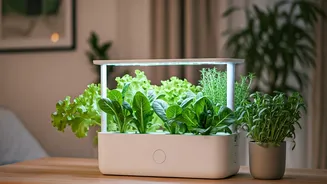
When you picture gardening, you might imagine dirt-stained hands, a sprawling backyard, and a constant battle with weeds and weather. That image is precisely what indoor hydroponic systems are designed to eliminate. These sleek, often minimalist devices—from
brands like AeroGarden and Click & Grow—are self-contained ecosystems. They use water, nutrients, and built-in LED grow lights to cultivate everything from herbs and leafy greens to cherry tomatoes, all without a single scoop of soil. The 'smart' aspect is the key differentiator. These kits automate the process, with sensors and timers managing light cycles and reminding users when to add water or plant food via a smartphone app. For a generation raised on user-friendly tech, it transforms a traditionally labor-intensive hobby into a plug-and-play experience, perfectly suited for a small city apartment with no outdoor space.
The Ultimate Farm-to-Table
The trend isn't just about cool gadgets; it's deeply connected to a shifting relationship with food. For years, the ideal has been 'farm-to-table.' Indoor gardening takes this to its logical conclusion: 'countertop-to-plate.' In an era of rising grocery prices, supply chain anxieties, and a growing desire for clean, pesticide-free food, the ability to harvest your own salad greens moments before eating is powerfully appealing. It offers a sense of self-sufficiency and transparency that the grocery store can't match. Knowing exactly what went into your food—and what didn't—is a new form of luxury. This 'hyper-local' approach means produce is harvested at peak freshness, retaining more nutrients and flavor than greens that have traveled hundreds of miles to reach the supermarket shelf.
A Ritual for Digital Burnout
Beyond the practical benefits, many young users point to a less tangible but equally important driver: mental wellness. In a world of endless scrolling and digital noise, the simple, tangible act of caring for a living thing has become a cherished ritual. Watching a seed sprout and grow into a plant offers a slow, predictable sense of progress and accomplishment that stands in stark contrast to the chaotic pace of online life. It's a screen-free activity that encourages patience and mindfulness. This 'plant-care as self-care' phenomenon isn't new, but smart gardens make it more accessible. They remove the barriers and anxieties of traditional gardening—the fear of killing your plants—allowing users to enjoy the therapeutic benefits without needing a seasoned green thumb.
Sustainability That's Actually Convenient
Gen Z is often defined by its commitment to sustainability, but also by its expectation of convenience. Smart gardens sit squarely at the intersection of these two values. Hydroponic systems typically use up to 90% less water than traditional soil farming. Growing food at home eliminates the carbon footprint associated with transportation, refrigeration, and plastic packaging, a major source of grocery store waste. At the same time, the technology makes this eco-conscious choice incredibly easy. The system does the hard work, ensuring a successful harvest with minimal effort. It's sustainability that doesn't require a major lifestyle sacrifice, making it an easy and rewarding choice for those looking to reduce their environmental impact in a practical way.