






Audit Your Shelves Ruthlessly
Before any guest arrives, your fridge needs an honest evaluation. This is the moment to be decisive. Start by removing everything. Yes, everything. Give the shelves a good wipe-down and then critically assess each item before it earns its spot back. That
half-empty jar of mustard from three months ago? Toss it. The shrivelled lemon in the crisper drawer? It belongs in the compost. This isn't about creating waste; it's about reclaiming prime real estate. Consolidate duplicate items and move anything that doesn't strictly require refrigeration—like certain sauces, nuts, or unopened drinks—to a cool, dark pantry to free up precious cold space.
Think Vertically and Zone Your Space
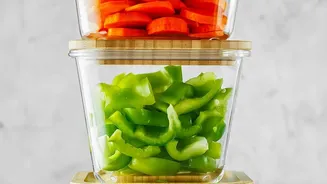
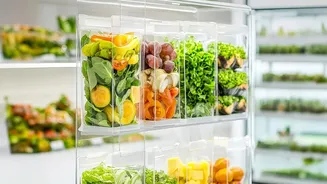
Once you’ve purged, it’s time to strategize. Most people only think horizontally, but vertical space is your secret weapon. Use stackable, clear containers for prepped ingredients. If you can, adjust a shelf to create a taller zone specifically for wine bottles or cartons. Then, create dedicated zones. Designate one shelf or a specific door compartment as the “Guest Zone.” When friends arrive with a six-pack or a bottle of white wine, you can direct them to a specific spot, making them feel helpful and keeping their contributions from getting lost behind your casserole dish. Some experts even recommend leaving one shelf entirely empty for leftovers or unexpected platters, a simple rule that can prevent a frustrating game of food Jenga later in the evening.
Graciously Accept Every Contribution
When a guest arrives with a dish or drink, your first job is to be a gracious host, not a traffic controller. A guest’s offering is a gesture of appreciation. Accept it warmly, even if it’s a surprise dessert that you have no room for. The modern rules of etiquette emphasize making guests feel welcome and part of the process. If it needs to be chilled, you now have your designated guest zone ready. If it’s a dish that doesn’t fit your menu, you are not obligated to serve it. Simply thank them and set it aside. The goal is to acknowledge the effort, not to perfectly integrate every item into your curated spread.
Create an Overflow Beverage Station
Even the most organized fridge has its limits. When space inevitably runs out, a backup plan is essential. This is where an overflow beverage station becomes your best friend. It can be as simple as a large, insulated cooler filled with ice on the patio or a galvanized tub in a corner of the dining room. You can even use your (clean) kitchen sink as a makeshift cooler. This not only saves critical fridge space for perishable food but also creates a self-serve drink station that prevents a bottleneck of guests hovering around the kitchen. It empowers guests to help themselves, adding to the relaxed, communal atmosphere you want to create.
A Quick Word for the Thoughtful Guest
Etiquette is a two-way street. If you're a guest, a little forethought goes a long way. While it's always kind to ask what you can bring, try to offer something that requires minimal effort from the host. A bottle of wine or a dessert that can be served at room temperature is often a safe bet. If you bring a dish that needs heating or a complicated cocktail that requires assembly, you risk adding stress to the host's duties. Bringing flowers in a vase you don't need back or a bottle of something nice are classic, low-maintenance gestures. The best gift is one that doesn't feel like a task for the person you're there to celebrate.