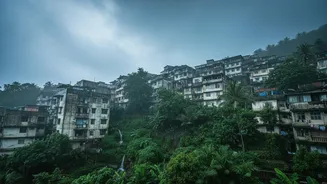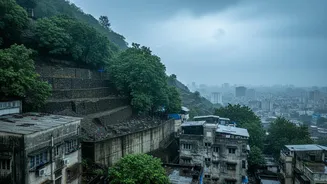









Assess the Location and Terrain
The first step is to understand the geography of the property. Is it located on a steep hill, at the base of a slope, or near an area where the land has been cut away for construction? The Municipal Corporation of Greater Mumbai (MCGM) and the Geological
Survey of India (GSI) have identified numerous landslide-prone areas across the city. High-risk zones are concentrated in the eastern suburbs like Ghatkopar, Vikhroli, and Kurla, but also exist in the island city and western suburbs. Research the history of the specific area. Have landslides, even minor ones, occurred there before? Proximity to existing or old landslides is a significant red flag, as these areas are often susceptible to future failures.
Look for Physical Warning Signs on the Ground
The land itself often provides the clearest clues of instability. Look for new or widening cracks in the ground, soil, or pavement, especially those that run parallel to the slope. Another tell-tale sign is bulging ground or unusual swelling at the base of a slope, which can indicate that earth is being pushed outwards from pressure above. Be observant of leaning trees, retaining walls, or utility poles. If these structures, which should be vertical, are tilted, it suggests the ground beneath them is slowly shifting. This slow movement, known as creep, can be a precursor to a more sudden and dangerous landslide.
Check for Water and Drainage Issues
Water is a primary trigger for landslides in Mumbai. Intense rainfall saturates the soil, increasing its weight and reducing its strength. Pay close attention to how water is managed on and around the property. Look for signs of saturated ground or new springs and seeps in areas that are usually dry. Poor or blocked drainage is a major concern. If natural drainage ways are obstructed by construction or debris, water can concentrate in vulnerable spots, dramatically increasing landslide risk. A sudden increase or decrease in stream water levels, or water that changes from clear to muddy, can also signal debris flow activity upstream.
Inspect the Building and Retaining Walls
The property's structures can reveal stress from ground movement. Inside a building, look for doors or windows that stick for the first time or new cracks appearing in plaster, tile, or foundations. Outside, check if walls, stairs, or patios are beginning to pull away from the main building. Retaining walls are built to hold back soil, so their condition is critical. Examine them for cracks, tilting, or bulging. The GSI often recommends retaining walls with weep holes to allow water to drain and reduce pressure on the wall. A poorly maintained or improperly designed wall can fail, triggering a slide.
Investigate Nearby Construction Activity
Recent development can destabilize previously stable slopes. Excavation, especially at the base of a hill, removes support for the land above it. The BMC has specific guidelines restricting excavation during the monsoon for this very reason. Similarly, construction activity uphill can alter drainage patterns, add weight to the slope, or create vibrations that weaken the soil. Inquire about any recent or ongoing construction projects in the vicinity. Unscientific hill cutting is a known cause of landslides, turning a manageable slope into a significant hazard.
Consult Official Records and Experts
Your visual inspection should be supplemented with official due diligence. Check the BMC's development plans and inquire about any landslide hazard zonation maps for the area. Verify that the property and any surrounding structures have all the required permissions and were not built on encroached land, as illegal constructions are often sited in the most dangerous locations. Many of Mumbai’s most vulnerable spots are in informal settlements, which lack engineered slopes and proper drainage. Given the high stakes, this is not a place for guesswork.