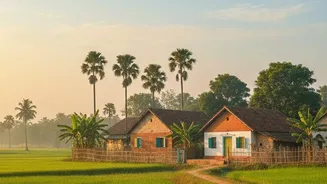










Beyond the grand monuments and bustling cities, a quieter, more profound travel experience is unfolding across India. It’s found in the warmth of a family home, offering an authentic glimpse into a region's heart while fuelling its future.
More Than Just a Room
The concept
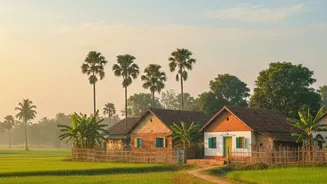
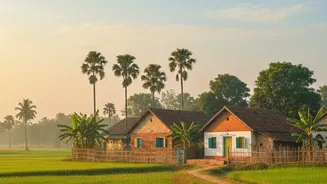
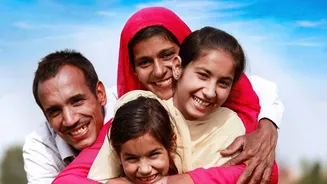
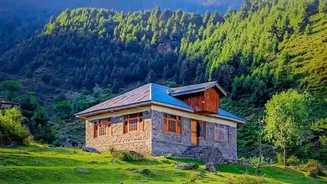
of a homestay is simple yet transformative: a family opens their home to travellers, offering a room and a taste of their daily life. Unlike a conventional hotel, a homestay is an intimate, immersive experience. It's about sharing meals prepared with local ingredients, listening to family stories, and understanding the nuances of a culture from the inside. This model has flourished across India, from the high-altitude villages of Ladakh to the serene backwaters of Kerala, providing accommodation in remote areas where hotels are scarce and offering travellers a genuine connection to the place they are visiting.
A Direct Economic Lifeline
One of the most significant impacts of the homestay boom is its direct economic benefit to local families. When you stay in a homestay, your money goes directly into the hands of the host community, not a large corporation. This provides a steady source of income, which can be particularly crucial in rural areas where livelihoods often depend on seasonal agriculture. This financial stability helps families invest in education and healthcare, raising the overall standard of living. Furthermore, it creates a powerful multiplier effect, boosting demand for local goods and services like produce, handicrafts, and transport, strengthening the entire local economy.
Empowering Women and Reducing Migration
Homestays have become a powerful tool for social empowerment, particularly for women. In many households, women take the lead in managing the homestay, from cooking and cleaning to guest relations. This provides them with financial independence and a stronger voice in family and community decisions. The rise of homestays also creates diverse job opportunities for local youth as guides, cooks, and support staff. By providing viable livelihoods within their own villages, homestays help reduce the trend of outward migration to overcrowded urban centres in search of work, keeping communities intact and vibrant.
Preserving Culture by Creating Value
When travellers seek authenticity, culture becomes a valuable asset. Homestay tourism creates a direct incentive for communities to preserve their unique traditions. Guests are not just looking for a bed; they are eager to experience local festivals, learn traditional recipes, and appreciate regional art forms like folk music and dance. This interest fosters a renewed sense of pride among locals and ensures that cultural knowledge is passed down to younger generations. By creating a market for authentic experiences, homestays help safeguard the very heritage that makes each region of India so unique, from the tribal art of Maharashtra to the organic farming practices of Sikkim.
For the modern traveller, the appeal of a homestay goes beyond economics and affordability. It represents a more responsible and sustainable way to explore the world. It’s a choice to engage directly with a community, to learn from them, and to ensure that tourism is a force for good. This model fosters mutual respect and cross cultural understanding, breaking down stereotypes and building genuine human connections. The experience is richer, the memories are deeper, and the impact is positive and lasting, benefiting both the guest and the host.