
From the Ghats to the Ganache
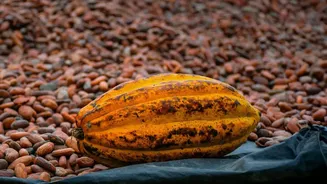
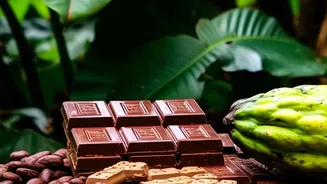
The heart of this chocolate revolution lies in the lush landscapes of South India. For years, cacao has been quietly cultivated across the states of Kerala, Tamil Nadu, Andhra Pradesh, and Karnataka, often as an intercrop in coconut and spice plantations.
These regions, with their unique microclimates, produce cacao beans with distinct and complex flavour profiles. The beans grown in the spice-rich Idukki hills of Kerala, for instance, might carry subtle citrusy or spicy notes, while those from the Godavari belt in Andhra Pradesh can have a naturally buttery quality. This concept of 'terroir'—the idea that the land imparts a specific taste—is central to the new craft chocolate movement. Instead of a uniform, mass-produced taste, these chocolatiers are celebrating the diverse flavours of the Indian soil, turning a simple agricultural commodity into a product of origin.
The Bean-to-Bar Difference
What exactly sets these chocolates apart? It's a philosophy known as "bean-to-bar." Unlike large-scale manufacturers who often start with pre-processed chocolate, artisan makers control the entire journey. The process starts with sourcing high-quality, fermented and dried cacao beans directly from farmers. Then, in their workshops, they undertake the meticulous steps of roasting to develop flavour, winnowing to remove husks, grinding for days to achieve a silky texture, and finally, tempering to get that perfect snap and shine. Some, like Coimbatore's Soklet, go a step further with a "tree-to-bar" model, growing the cacao on their own family estates, offering complete traceability from the soil to the finished slab. This hands-on approach preserves the bean's authentic character, resulting in a richer, more nuanced chocolate experience that industrial production simply cannot replicate.
The Pioneers of a New Palate
This movement is driven by passionate entrepreneurs. In Auroville, Mason & Co, one of the early pioneers, crafts organic and vegan chocolates with an all-female workforce, sourcing beans from partner farms across the South. Down in Kerala, Kochi-based Paul and Mike have gained international acclaim, even winning a gold at the 2024 International Chocolate Awards for an innovative creation featuring Tuticorin capers. They run their own farm-to-bar operation, cultivating fine-flavour cacao beans and experimenting with bold combinations. Then there is Soklet in Tamil Nadu, which proudly operates from its own plantations in the Anamalai hills, and Manam in Hyderabad, which is dedicated to showcasing single-origin cacao from the West Godavari region. These brands are not just making chocolate; they are telling a story about Indian agriculture and craftsmanship.
A Taste of Modern India
Perhaps the most exciting aspect of this trend is the infusion of hyper-local, distinctly Indian flavours. These chocolatiers are moving beyond the standard nuts and caramel, creating bars that resonate with the Indian palate. You might find a dark chocolate infused with the aroma of South Indian filter coffee from Soklet, or a bar from Paul and Mike that incorporates seasonal Indian fruits like Jamun, Alphonso Mango, or Sitaphal (custard apple). Chitra'm Craft Chocolates in Coimbatore is known for reinterpreting regional delicacies in chocolate form. By weaving in ingredients like cardamom, Sichuan pepper, and even jaggery, they are creating a product that is both globally sophisticated and unapologetically local, offering a taste that is both novel and nostalgically familiar.
Redefining the Festive Gift
With elegant packaging and a compelling story, this new generation of chocolate has become the perfect premium gift. Giving a bar of single-origin Indian chocolate is about more than just a sweet treat; it is a nod to quality, sustainability, and local pride. It says you appreciate craftsmanship and are sharing a story of Indian innovation. As consumers increasingly seek authentic and meaningful products, these chocolates offer a sophisticated alternative to both mass-market options and traditional sweets. They represent a celebration of local enterprise and the rich bounty of the land, wrapped up in a beautiful, delicious package that feels special to give and receive during any festive occasion.