






Understanding the Delta Aquariids
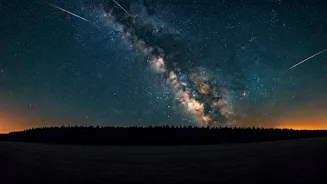
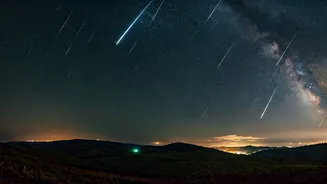
The Delta Aquariids are an annual meteor shower active from mid-July to late August. They are believed to be cosmic debris shed by the comet 96P/Machholz. Unlike more dramatic showers like the Perseids, the Delta Aquariids are known for being fainter
and more leisurely, producing a steady rate of about 15 to 20 meteors per hour under perfect conditions. Their name comes from the radiant point—the spot in the sky from which they appear to originate—which lies near the star Skat, or Delta Aquarii, in the constellation Aquarius. This southern placement makes India a better viewing location than much of Europe and North America.
When to Watch in India: A Complicated Year
The shower will peak on the night of July 29-30, 2026. The best viewing window in India is during the pre-dawn hours of July 30 and 31, specifically between 1:30 AM and 4:30 AM IST. However, there is a significant challenge for 2026: a nearly full moon. The moon will be 98% full, casting a bright glare across the sky all night. This intense moonlight will unfortunately wash out most of the faint Delta Aquariid meteors. A better strategy might be to watch in the week before the peak, from July 21 to 26, when the mornings are moonless. You may also catch some bright fireballs from the Alpha Capricornids, another shower that peaks at the same time.
The Challenge of the Monsoon
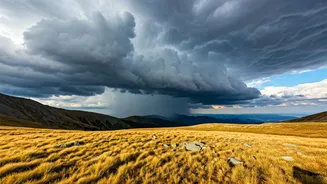
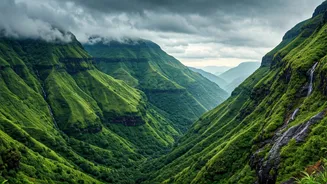
For most of India, late July falls squarely in the middle of the monsoon season. Heavy cloud cover can easily spoil any stargazing plans. However, not all is lost. Certain regions, particularly high-altitude deserts and rain-shadow areas, offer a much better chance of clear skies. The key is to check local weather forecasts diligently and be prepared to be flexible. Sometimes, breaks in the clouds are all you need to catch a glimpse of the show. For those in heavily affected monsoon zones, patience and a bit of luck will be your most important tools.
India's Dark Sky Map: North
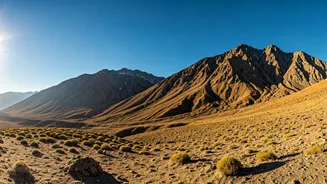
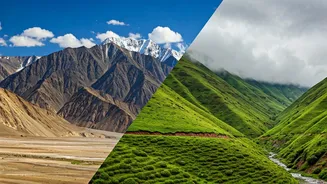
The Himalayas are India's premier stargazing destination, and for good reason. Ladakh and the Spiti Valley in Himachal Pradesh are high-altitude cold deserts that fall in a rain-shadow, meaning they receive very little monsoon rain. Hanle in Ladakh is home to India's first official Dark Sky Reserve, offering some of the most pristine skies in the world. Other excellent locations include Pangong Tso, Nubra Valley, and villages in Spiti like Kaza and Kibber. The combination of high altitude, dry air, and minimal light pollution makes this region the undisputed champion for any celestial event.
Stargazing Havens: West and South
While monsoon clouds are a major factor, western and southern India still have promising spots if you can find a clear night. In the west, the salt flats of the Rann of Kutch in Gujarat offer vast, dark horizons, though it's best visited in winter. For those near Mumbai and Pune, Bhandardara in the Sahyadri hills is a popular weekend getaway for amateur astronomers. Down south, Coorg in Karnataka and the tea estates around Munnar in Kerala provide high-altitude refuges from city lights. Though cloud cover is a risk, the air between showers can be incredibly clear.
Tips for the Best Viewing Experience
To make the most of the Delta Aquariids, follow these simple tips. First, get as far away from city and town lights as possible; light pollution is the biggest enemy of meteor watching. Second, you don't need a telescope or binoculars, as they limit your field of view; this is a naked-eye event. Lie back on a blanket or chair and look generally towards the southern sky, but not directly at the radiant. Give your eyes at least 20-30 minutes to fully adapt to the darkness, and avoid looking at your phone screen. Finally, be patient. Meteor watching is a game of waiting, so get comfortable and enjoy the peace of the night sky.