

Why Monsoon is a High-Risk Season
The Indian monsoon’s high humidity is the primary culprit behind the seasonal spike in canine skin problems. When humidity levels stay consistently high, your dog's coat struggles to dry completely after a walk in the rain or even just from the ambient
moisture. This trapped dampness, especially in skin folds, between paw pads, and under a thick coat, creates a warm, moist micro-environment—an ideal breeding ground for fungi and bacteria that are naturally present on the skin. City dogs often face additional exposure to muddy puddles and contaminated water on streets, which can introduce a host of irritants and pathogens to their skin and paws.
Common Infections to Watch For
Several skin issues flare up during this season. One of the most common is pyoderma, a bacterial skin infection that causes red bumps, pustules, scabs, and sometimes a foul odour. You may also see 'hot spots,' which are painful, red, and moist areas of skin that appear suddenly and can spread quickly. These are often caused by a dog excessively licking or scratching an itchy spot. Fungal infections, like yeast dermatitis and ringworm, are also prevalent, identified by itching, hair loss in circular patches, flaky skin, and a musty smell, particularly around the ears, paws, and groin.
The Golden Rule: Dry Thoroughly
The single most important preventive measure is to ensure your dog is completely dry after every single walk. This is non-negotiable. Use an absorbent towel to vigorously dry their coat, paying special attention to friction-prone areas like armpits, the groin, the belly, and skin folds. For dogs with double coats or long fur, a towel alone is often not enough. Using a hairdryer on a low-heat, low-speed setting is crucial to ensure the undercoat is fully dry. Lingering dampness is an open invitation for infection.
A Solid Paw-Care Routine
Paws are ground zero for monsoon troubles as they are in constant contact with wet, dirty surfaces. After each walk, rinse your dog's paws with clean water and dry them meticulously, especially between the toes where moisture loves to hide. Consider trimming the fur around the paw pads to prevent mud and debris from getting trapped and to allow for better air circulation. Using a vet-recommended antiseptic or antifungal wipe for paws can provide an extra layer of protection against contaminants picked up from city streets.
Grooming and Home Hygiene
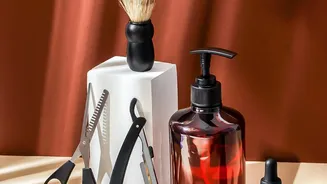
While it might seem counterintuitive, over-bathing can strip the skin of its natural protective oils, making it more vulnerable. Stick to bathing only when necessary, perhaps once every two to three weeks, and use a vet-approved medicated or antifungal shampoo. Daily brushing is far more important during this season. It helps to remove loose fur, dirt, and trapped moisture, improving air circulation to the skin. Also, ensure your dog’s bedding is kept clean and dry. Wash it weekly in hot water and dry it thoroughly, ideally in the sun, to prevent fungal growth.
When to Consult Your Veterinarian
Vigilance is key. If you notice persistent scratching, excessive licking of an area, a bad odour from the skin or ears, redness, rashes, sores, or rapid hair loss, it's time to see a professional. These symptoms can indicate an infection that requires medical intervention, such as medicated ointments, oral antibiotics, or antifungal treatments. Attempting to treat a serious infection at home can often make it worse. Early veterinary diagnosis and treatment are crucial to prevent a minor issue from becoming a severe and painful condition.