






The New Work-Life Equation
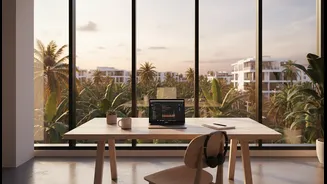
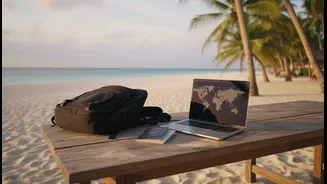
The post-pandemic world normalised remote work, handing young professionals in India a golden ticket to redefine their careers and lifestyles. The concept of a workation—blending work with vacation—has since exploded. For many, this isn't about logging
off but logging on from a more inspiring location. A 2025 survey noted that 56% of Indian remote workers took at least one workation in the previous year. This trend is driven by a desire to escape urban burnout from life in cities like Mumbai and Bengaluru, coupled with the realisation that a change of scenery can boost mental health, creativity, and productivity. Southeast Asia, with its mix of vibrant cultures, beautiful landscapes, and welcoming atmosphere, has become the premier destination for this new wave of Indian travellers.
More Than a Holiday: The Leisure Advantage
The leisure component of a Southeast Asian workation is undeniable. Instead of a rushed two-week holiday, professionals can immerse themselves in a new culture for a month or more. Evenings and weekends are no longer for recovering from a stressful week but for exploring ancient temples, learning to dive, or sampling street food. This prolonged exposure to a different way of life offers a powerful antidote to stress and burnout. Destinations like Bali, with its wellness culture, and Da Nang in Vietnam, known for its calm coastal life, provide an environment where work-life balance isn't just a buzzword but a daily reality. This slower, more intentional pace of life allows for genuine relaxation and personal discovery, contributing to overall well-being and job satisfaction.
The Unexpected Professional Edge
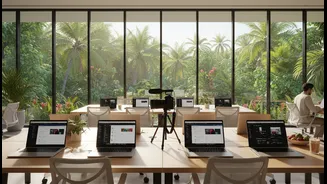
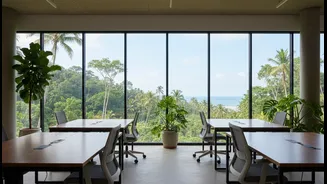
While the lifestyle benefits are clear, the professional advantages are what make a workation a truly smart move. Working from hubs like Canggu in Bali or Chiang Mai in Thailand plugs you into a global community of digital nomads, entrepreneurs, and creatives. These environments are ripe for networking. Co-working spaces and community events offer countless opportunities to meet people from diverse industries, sparking new ideas and potential collaborations that would be impossible to find in a traditional office. Furthermore, navigating a new country and culture builds invaluable soft skills. It enhances adaptability, cross-cultural communication, and problem-solving abilities—qualities that are highly sought after in today's globalised workforce. This experience broadens perspectives and fosters a more creative and flexible mindset.
Making the Numbers Work
A key reason for Southeast Asia’s popularity is its affordability. For many young Indians, the cost of living in destinations like Vietnam or Thailand can be significantly lower than in major Indian metro cities. A comfortable lifestyle, including a modern apartment, co-working space membership, food, and transport, can be managed on a monthly budget of ₹70,000 to ₹1,20,000. For comparison, the cost of living without rent in Bangalore is around ₹25,000, but rent in a city centre can be high. In contrast, a modern condo in Chiang Mai can cost as little as ₹20,000-₹35,000 per month. Robust infrastructure, including high-speed internet and numerous laptop-friendly cafes, ensures that productivity doesn't suffer.
Planning Your Leap
Making a workation happen requires planning, especially regarding visas. Fortunately, many Southeast Asian countries have simplified entry for Indians. Thailand now offers 60-day visa-free entry, Vietnam provides a 90-day e-visa, and Malaysia allows 30-day visa-free stays. Indonesia, home to the digital nomad hub of Bali, offers a visa-on-arrival and has introduced a digital nomad visa for longer stays. Popular destinations include Bali (Indonesia) for its community and wellness scene, Chiang Mai (Thailand) for its affordability and relaxed pace, and Da Nang (Vietnam) for its blend of beach life and city amenities. Aspiring workationers should research the specific visa rules for their chosen country and ensure they have a reliable remote income stream before taking the plunge.