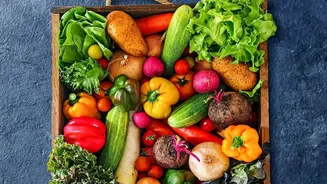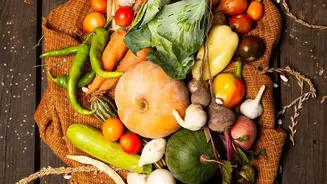





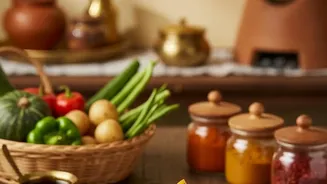

As a pleasant chill settles across India, November brings a refreshing change to our local markets. It's the perfect time to embrace the season's bounty, filling your kitchen with vibrant, nutrient-rich produce that is fresh and affordable.
Leafy Greens: Spinach & Fenugreek
November marks
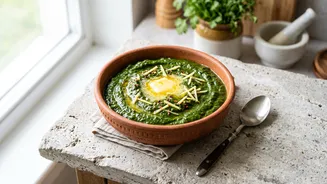
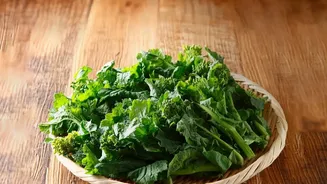
the triumphant return of leafy greens to the forefront of Indian cooking. Spinach (Palak) and fenugreek (Methi) are at their freshest and most flavourful during this time. Winter-harvested greens are often richer in nutrients like iron and folate compared to their off-season counterparts. Simple to cook, they are incredibly versatile. Use fresh spinach in a classic Palak Paneer or dal, or stir-fry it with garlic for a quick side dish. Methi leaves, with their distinct bitter-sweet aroma, are perfect for making Theplas, adding to parathas, or cooking with potatoes for a comforting Aloo Methi sabzi.
Cruciferous Stars: Cauliflower & Cabbage
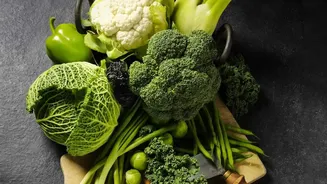
While available year-round, cauliflower (Gobhi) and cabbage (Patta Gobhi) are at their absolute best in the winter months. The cooler weather yields heads that are firm, compact, and less watery, making them ideal for cooking. This structure allows them to absorb spices without turning mushy. Try roasting cauliflower with spices until caramelised for a deep, nutty flavour, or make a classic dry Aloo Gobhi. Cabbage is perfect for a crunchy stir-fry, a simple sabzi with peas, or pickling.
Root Vegetables: Carrots & Radishes
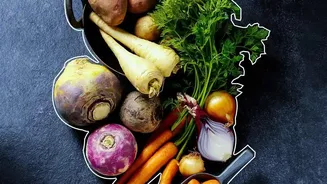
Winter is the season for sweet, dense, and aromatic carrots (Gajar). Unlike the versions available in other seasons, November carrots are perfect for both savoury and sweet preparations. Their inherent sweetness shines in a simple poriyal or a slow-cooked sabzi, and they are, of course, the star ingredient for the quintessential winter dessert, Gajar ka Halwa. Similarly, radishes (Mooli) are milder and juicier now. Enjoy them grated into parathas with their greens or added to sambar for a unique flavour.
The Winter Staple: Fresh Green Peas
Forget the frozen aisle; fresh green peas (Matar) are a true winter delight in India. Tender, sweet, and bursting with freshness, they elevate any dish they are added to. They cook quickly and bring a pop of colour and brightness to heavier winter meals. Add them generously to pulao for a classic Matar Pulao, stir them into a simple potato curry at the end of cooking to retain their texture, or use them as a filling for samosas and kachoris.
Earthy Delights: Sweet Potato & Beetroot
Sweet potatoes (Shakarkandi) are a comforting and nutritious winter vegetable. Naturally sweet and starchy, they are incredibly warming and don't require much work to taste delicious. Simply roasting or steaming them and serving with a sprinkle of chaat masala makes for a healthy and filling snack. Beetroot also develops a deeper sweetness in the cool winter soil. It can be used in stir-fries, grated into cutlets for a vibrant colour, or blended into a hearty, warming soup.
Seasonal Fruits : Guava & Pomegranate
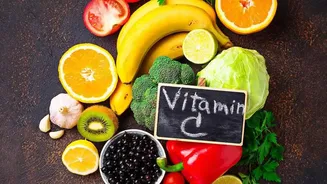
November is a prime time for some of India's most beloved fruits. Guava (Amrood) is a winter gem, packed with more Vitamin C than many other fruits, and is perfect for boosting immunity. Enjoy it sliced with a sprinkle of salt and red chilli powder. Pomegranates (Anar) are another highlight of the season, their jewel-like seeds bursting with a sweet - tart flavour. These antioxidant - rich arils are perfect for adding to salads, raita, or just eating on their own as a refreshing snack.
Early Citrus : Oranges & Amla
As winter deepens , the first of the citrus harvest begins to appear . Oranges (Santra) start arriving in markets , promising a juicy , Vitamin C - rich treat . Indian Gooseberry (Amla) is another nutritional powerhouse whose peak season runs from November to February . Known for its incredible health benefits , amla can be made into pickles , chutneys (murabba) , or juiced for a potent health shot to help ward off seasonal colds .
< / div >