


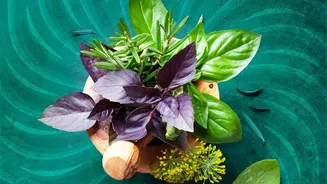

The Magic of Freshness
We often reach for dried herbs out of habit and convenience. They have a long shelf life and a concentrated flavour perfect for slow-cooked dishes. But fresh herbs offer something entirely different: a bright, nuanced, and aromatic quality that can lift
a meal from good to great. While dried herbs bring a deeper, spicier note, fresh herbs deliver a clean, zesty punch. Think of the cooling burst of mint in raita, the fragrant aroma of curry leaves in a tadka, or the peppery notes of Tulsi. These are sensations that dried alternatives, having lost much of their essential oils and moisture, struggle to replicate. Using fresh herbs also means you're getting them at their nutritional peak, retaining more vitamins than their dried counterparts. Snipping what you need just moments before cooking ensures maximum flavour and vitality on your plate.
Your Balcony Starter Pack: 5 Essential Herbs
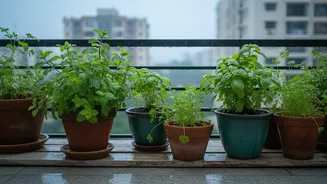
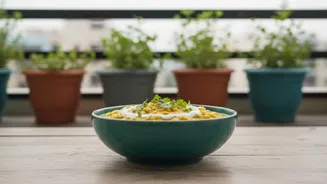
Starting a balcony garden in India is incredibly rewarding thanks to our climate. Here are five easy-to-grow herbs that are perfect for beginners and endlessly useful in the kitchen:
1. Mint (Pudina): This fast-growing, fragrant herb is a must-have. It's perfect for chutneys, raitas, refreshing summer drinks, and even a simple pudina chai. Mint is famously vigorous, so it's best to give it its own pot to prevent it from taking over.
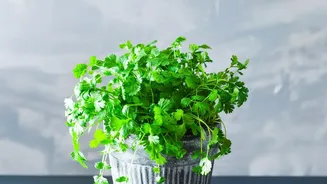
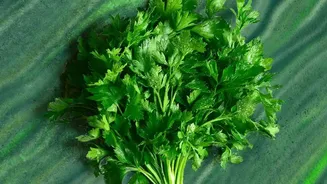
2. Coriander (Dhania): No Indian kitchen can be without it. Fresh coriander is essential for garnishing everything from dals and curries to sabzis. It grows quickly and you can harvest it within weeks, making it a very satisfying plant for beginners.
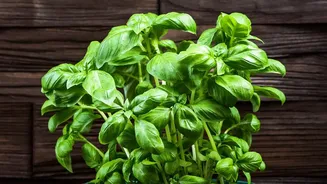
3. Holy Basil (Tulsi): Revered for its medicinal properties, Tulsi is also a wonderful culinary herb. Its slightly pungent, peppery flavour is fantastic in teas and can add a unique twist to soups and salads. It's resilient and requires little maintenance.
4. Curry Leaves (Kadi Patta): A cornerstone of South Indian cooking, the aroma of fresh curry leaves is unmistakable. While it might grow slowly at first, a curry leaf plant in a medium-sized pot will provide you with aromatic leaves for years to come.
5. Lemongrass: This herb adds a citrusy, floral note to teas, soups, and marinades. It's a key flavour in many Southeast Asian cuisines and grows well in deep pots on a sunny balcony, releasing a pleasant fragrance into the air.
Setting Up Your Green Corner
You don’t need a sprawling garden or expensive equipment to get started. All you need is a few pots, some good soil, and a spot that gets some sunlight. Most culinary herbs, including basil, rosemary, and thyme, thrive with at least six hours of direct sunlight. However, herbs like mint and coriander can manage with a bit less. The single most important factor is good drainage. Ensure your pots have holes at the bottom to prevent water from logging, which can lead to root rot. A standard potting mix available at any local nursery will work perfectly well. When it comes to watering, a simple rule is to check the soil; water when the top inch feels dry. Basil, for example, likes to stay consistently moist, while herbs like thyme prefer to dry out between waterings.
From Pot to Plate: Transforming Your Cooking
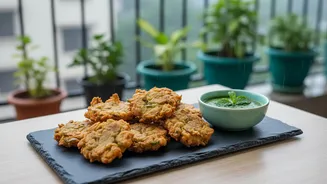
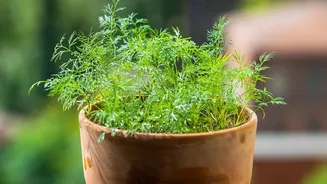
Once your herbs are growing, the fun truly begins. The transformation in your cooking comes from having these flavours on hand, ready to elevate any dish. Crush a few fresh Tulsi leaves into your morning tea for an immunity-boosting start. Make a vibrant green chutney by blending coriander and mint leaves with green chillies and lemon juice. This versatile condiment can be served with snacks, dosas, or used as a sandwich spread. Create a simple Pudina Pulao for a fragrant and refreshing one-pot meal. When making dal, toss in a sprig of curry leaves with your tadka for an instant depth of flavour. For salads, skip the heavy dressings and instead toss your greens with chopped fresh parsley, dill, and mint for a bright, clean taste. The key is to add delicate herbs like coriander and basil towards the end of cooking to preserve their fresh flavour.