







Beyond the Mat: A New Wave of Wellness
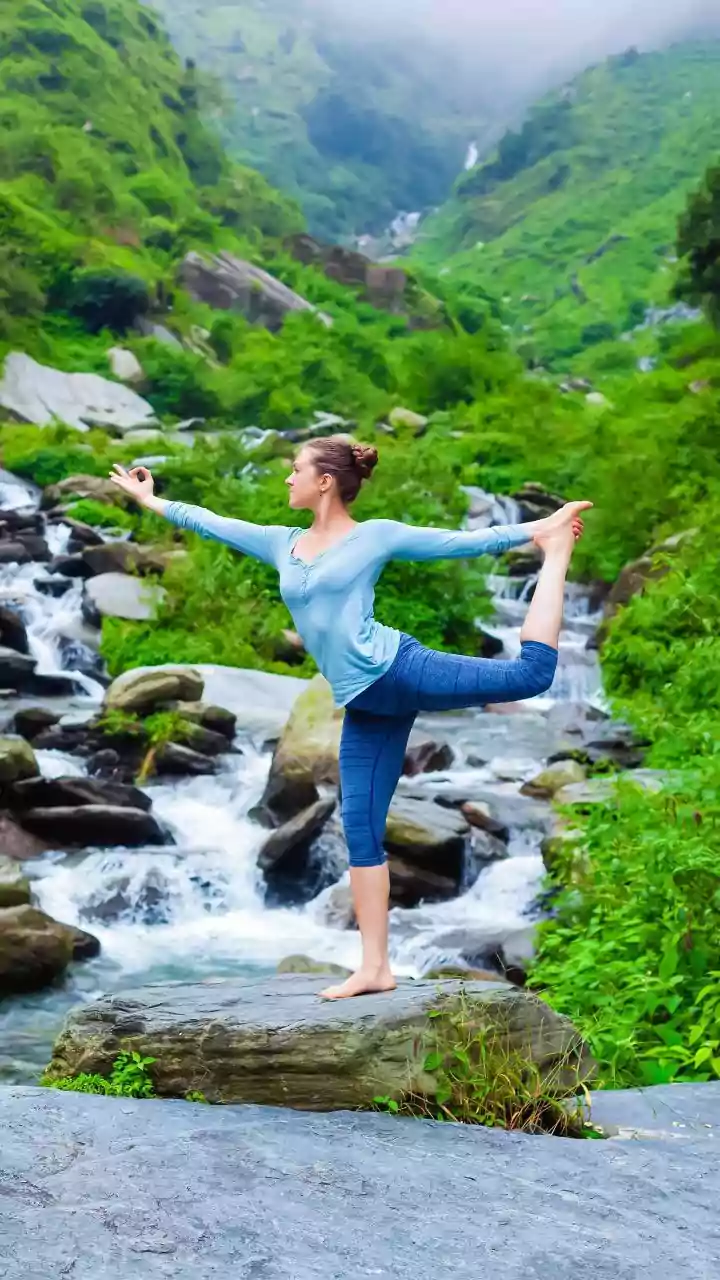
This isn’t just about striking a warrior pose with a scenic backdrop. River yoga expeditions are immersive journeys that combine adventure sports like rafting or kayaking with daily yoga and meditation practices. Think of it as a moving retreat. The day
might start with a sun salutation on a sandy river beach, followed by hours of navigating gentle rapids, and end with a calming meditation session under the stars. The core idea is to disconnect from digital noise and reconnect with the natural world through a holistic experience that engages the body, mind, and soul. From stand-up paddleboard (SUP) yoga on calm waters to multi-day rafting trips that incorporate mindfulness, the trend is about experiencing the river, not just observing it from a distance.
The River as a Guru
The true innovation of these expeditions lies in how they seamlessly weave eco-awareness into the itinerary. The river itself becomes the teacher. As you paddle through pristine gorges or float past verdant forests, you are viscerally confronted with the beauty and power of the ecosystem. Guides, who are often trained naturalists as well as yoga instructors, use this immersion as a teaching moment. They might point out native bird species, explain the geology of the landscape, or discuss the threats a river faces, such as plastic pollution or the impact of dams. This direct experience is far more potent than reading a textbook. It fosters a sense of stewardship and a personal connection to the environment. When you’ve felt the river’s cold spray and slept on its banks, the fight to protect it becomes personal.
Where the Current Takes You
India, with its vast network of sacred and mighty rivers, offers a diverse canvas for these expeditions. Each route provides a unique flavour of adventure and introspection.
Rishikesh, Uttarakhand: The undisputed hub, the Ganga River offers the perfect mix of thrilling rapids and serene stretches. A typical expedition here involves rafting from upstream locations like Devprayag, camping on secluded white-sand beaches, and practicing yoga with the Shivalik hills as a backdrop. The area’s spiritual energy adds another layer to the experience.
Ladakh, Jammu and Kashmir: For the more intrepid traveller, expeditions on the Zanskar or Indus rivers offer an unparalleled experience. Imagine practicing pranayama in the crisp, high-altitude air, surrounded by stark, majestic mountains. The journey here is about solitude, resilience, and appreciating a fragile desert ecosystem.
Kerala: The tranquil backwaters offer a gentler, more meditative journey. Kayaking through the placid network of canals, lakes, and lagoons, with yoga sessions held in lush coconut groves, is an experience in profound peace and a celebration of a unique, water-based way of life.
What to Expect on an Expedition
Most expeditions are designed to be accessible, even for beginners in yoga or rafting. A typical day is structured but unhurried. You’ll wake with the sun for a yoga and meditation session, followed by a hearty breakfast. The middle of the day is dedicated to being on the water, navigating rapids, swimming in calm pools, and enjoying a packed lunch on a scenic spot. Afternoons are for leisure—reading, napping, or exploring the campsite. The evenings often feature a restorative yoga session, a bonfire, and communal dinner, where conversations about the day’s experiences flow freely. It's a rhythm dictated by the sun and the river, a powerful antidote to the rigid schedules of urban life.
Choosing a Responsible Operator
To ensure your journey aligns with its eco-conscious philosophy, choosing the right operator is crucial. Look for companies that explicitly state their commitment to sustainability. Do they follow a strict ‘leave no trace’ policy, ensuring all waste is packed out? Are their group sizes small to minimise environmental impact? Do they employ local guides and staff, contributing to the local economy? A truly responsible operator sees themselves as a custodian of the river, not just a service provider. Ask about their safety protocols, the certification of their guides, and their approach to ecological education. A little research beforehand ensures your adventure contributes positively to the places you visit.