





What Exactly Is Cat-Cow?
Cat-Cow is not one, but two poses linked together by breath. It's a foundational yoga sequence known in Sanskrit as 'Marjaryasana' (Cat Pose) and 'Bitilasana' (Cow Pose). The movement involves smoothly transitioning between a rounded spine (like a cat
stretching) and an arched spine (like a cow's gentle sway). This simple, rhythmic flow is praised for its ability to awaken the body, improve spinal flexibility, and build a strong mind-body connection, making it an ideal starting point for anyone new to yoga.
A Step-by-Step Guide
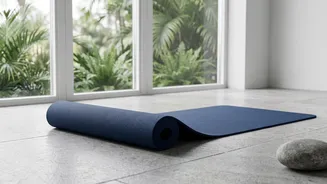
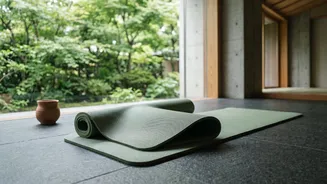
Getting started is simple. All you need is a comfortable surface, like a yoga mat. 1. Start in Tabletop: Come onto your hands and knees. Align your wrists directly under your shoulders and your knees directly under your hips. Your shins and feet should be about hip-width apart. Keep your head in a neutral position, with your gaze toward the floor. 2. Inhale into Cow Pose (Bitilasana): As you take a deep breath in, drop your belly toward the mat. Lift your chin and chest, and gaze forward or slightly up. Broaden your collarbones and draw your shoulders away from your ears, creating an arch in your spine. 3. Exhale into Cat Pose (Marjaryasana): As you breathe out, draw your belly button toward your spine and round your back toward the ceiling. Tuck your tailbone and release the crown of your head toward the floor, letting your chin fall toward your chest without forcing it. 4. Flow with Your Breath: Continue moving between Cow on the inhale and Cat on the exhale. Aim for 5 to 10 slow, mindful rounds to fully warm up and mobilize your spine. The goal is a fluid, controlled movement, not speed.
Key Benefits of the Pose
While it may seem basic, Cat-Cow offers significant benefits for both body and mind. Regular practice helps improve spinal flexibility and posture by gently moving the vertebrae. It's an excellent way to relieve tension in the back, neck, and shoulders, which is especially helpful after long hours of sitting. The gentle movement also stimulates and massages abdominal organs, which can aid digestion. Furthermore, by synchronizing movement with breath, Cat-Cow helps calm the mind, reduce stress, and improve focus and coordination.
Common Mistakes to Avoid
To get the most out of the pose and prevent strain, watch out for a few common errors: Rushing the Movement: One of the biggest mistakes is moving too quickly and not coordinating with your breath. Slow down and let your inhale guide you into Cow and your exhale guide you into Cat. Incorrect Alignment: Ensure your wrists are under your shoulders and knees are under your hips. Misalignment can put unnecessary stress on your joints. Crunching the Neck: In Cow Pose, avoid throwing your head back. Instead, keep the back of your neck long as you lift your gaze. In Cat Pose, don't force your chin to your chest; let your head hang naturally. Collapsing the Shoulders: Actively press the mat away with your hands to keep your shoulders broad and stable, rather than letting them sink toward your ears.
Modifications for Every Body
Yoga is about adapting poses to fit your body, not the other way around. If you experience discomfort, try these modifications: For Sensitive Knees: Place a folded blanket or towel under your knees for extra cushioning. For Wrist Pain: Instead of placing your hands flat on the mat, you can come down onto your forearms. Placing your hands on yoga blocks can also help reduce the angle and strain on your wrists. * Seated Version: You can practice Cat-Cow while sitting in a chair. Sit with your feet flat on the floor, place your hands on your knees, and perform the same spinal movements—arching on an inhale and rounding on an exhale.