



Understanding The Two Types of Iron
Iron is a crucial mineral responsible for creating haemoglobin, the protein in red blood cells that carries oxygen throughout your body. Without enough of it, you can feel fatigued and weak. Dietary iron comes in two forms: heme and non-heme. Heme iron is found
in animal products like meat, poultry, and fish, and it's easily absorbed by the body. Non-heme iron, on the other hand, comes from plant sources like leafy greens, beans, and lentils. This type is harder for our bodies to absorb, which is why vegetarians and vegans need to be more strategic about their intake.
Vitamin C: The Key to Unlocking Plant-Based Iron
This is where Vitamin C comes in. Scientifically known as ascorbic acid, Vitamin C is a powerful enhancer of non-heme iron absorption. Research shows it works in two main ways. First, it helps convert the plant-based iron, which is mostly in the hard-to-absorb ferric (Fe3+) state, into the more easily absorbed ferrous (Fe2+) state. Second, in the gut, Vitamin C forms a soluble compound with iron, which keeps it available for absorption and prevents it from being blocked by other dietary compounds like phytates (found in grains and legumes) and polyphenols (found in tea and coffee).
Your Go-To Leafy Greens for Iron
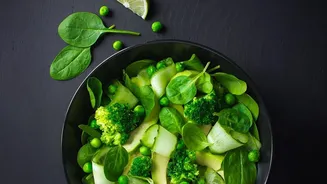
India's cuisine is rich with iron-packed leafy greens. Spinach (palak) is a classic choice, and while it contains compounds called oxalates that can hinder absorption, cooking it and pairing it with Vitamin C helps overcome this. Other excellent choices include fenugreek leaves (methi), amaranth leaves (chaulai), and moringa leaves (drumstick leaves), all of which are nutritional powerhouses commonly used in Indian cooking. Incorporating these greens into your daily meals provides a solid foundation for your iron intake.
The Citrus Boost: Your Vitamin C Powerhouses
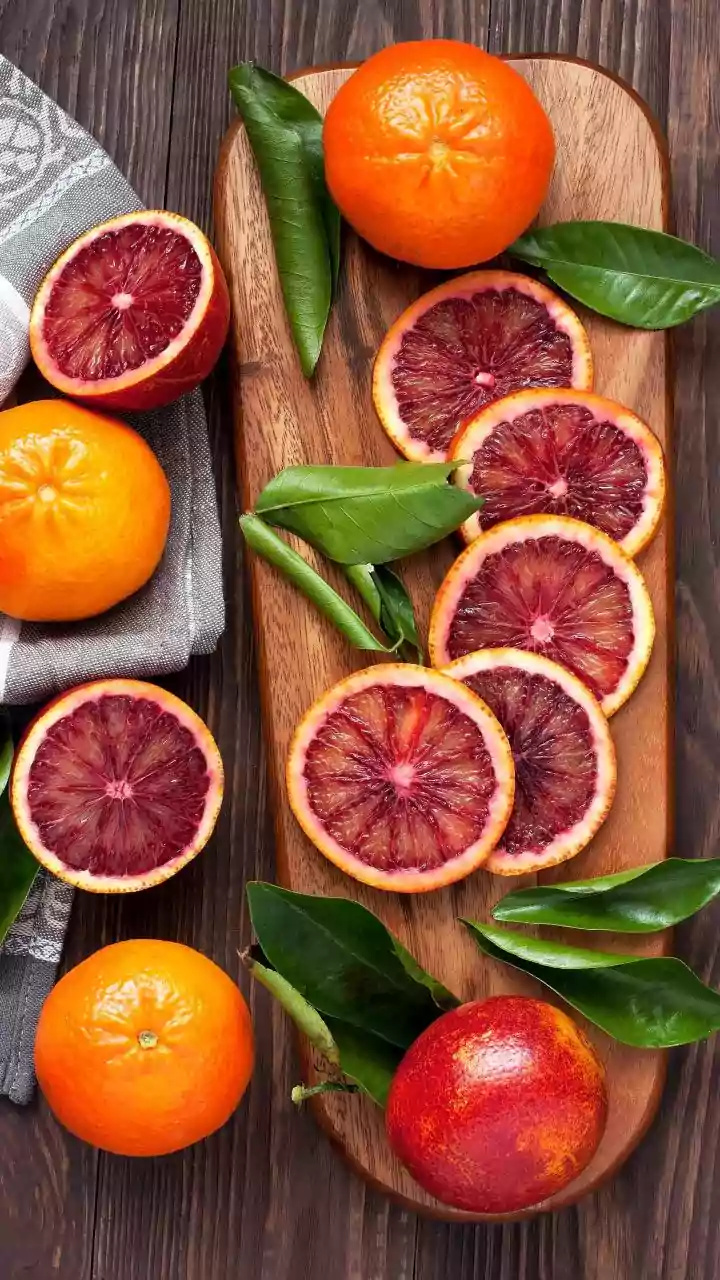
Pairing those greens with a citrus fruit is the key to maximizing iron uptake. Luckily, citrus is abundant and delicious. A simple squeeze of lemon or lime over a dal or sabzi can make a significant difference. Oranges are another fantastic source, with one medium orange providing a large portion of your daily recommended Vitamin C. Other great citrus options include grapefruit and amla (Indian gooseberry), which is exceptionally high in Vitamin C and known for its immunity-boosting properties.
Simple and Delicious Meal Pairings
Putting this strategy into practice is easy and flavourful. Think about how these combinations can fit into your daily diet. Start your day with an iron-fortified oatmeal topped with strawberries or a smoothie that blends spinach with orange or amla juice. For lunch, a lentil soup rich with tomatoes or a chickpea salad with a lemon-based dressing works wonders. For dinner, a classic dal palak or methi dal becomes even more effective with a generous squeeze of lime just before serving. Even a simple side salad with greens and bell peppers dressed in a citrus vinaigrette can boost the iron absorption from your main course.
Beyond Citrus: Other Vitamin C Allies
While citrus fruits are excellent, they aren't your only option for a Vitamin C boost. Many other common vegetables are packed with this essential nutrient. Bell peppers (capsicum), tomatoes, broccoli, and cauliflower are all fantastic sources. Adding tomatoes to a rajma or chana masala not only enhances the flavour but also significantly improves the bioavailability of the iron in the beans. A stir-fry with broccoli and tofu, finished with a squeeze of lemon, is another perfect example of a balanced, iron-absorbing meal.