




Why 15 Minutes Is Your Secret Weapon
The idea that workouts must be long to be effective is a myth. Research and trainers agree that short, consistent, high-intensity workouts can be more beneficial than sporadic hour-long sessions. A 15-minute daily commitment is psychologically easier
to stick with, helping you build a powerful habit. Instead of dreading a huge time commitment, you can easily slot this into your morning or evening. This consistency is what builds momentum. The goal isn't exhaustion; it's about gradually increasing your functional strength and cardiovascular endurance, which is exactly what you need for days spent on your feet. Even brief bouts of exercise are shown to improve aerobic capacity and overall health.
The Pre-Workout Warm-Up (2-3 Minutes)
Never skip a warm-up, no matter how short the workout. A dynamic warm-up prepares your body by increasing blood flow, raising your core temperature, and activating the muscles you're about to use. This significantly reduces your risk of injury and improves performance. Spend about 2-3 minutes on gentle, movement-based stretches. Try 30 seconds of each: marching in place, arm circles (forward and backward), leg swings (forward and side-to-side), and torso twists. This primes your joints and muscles for the circuit ahead.
Your Full-Body Bodyweight Circuit
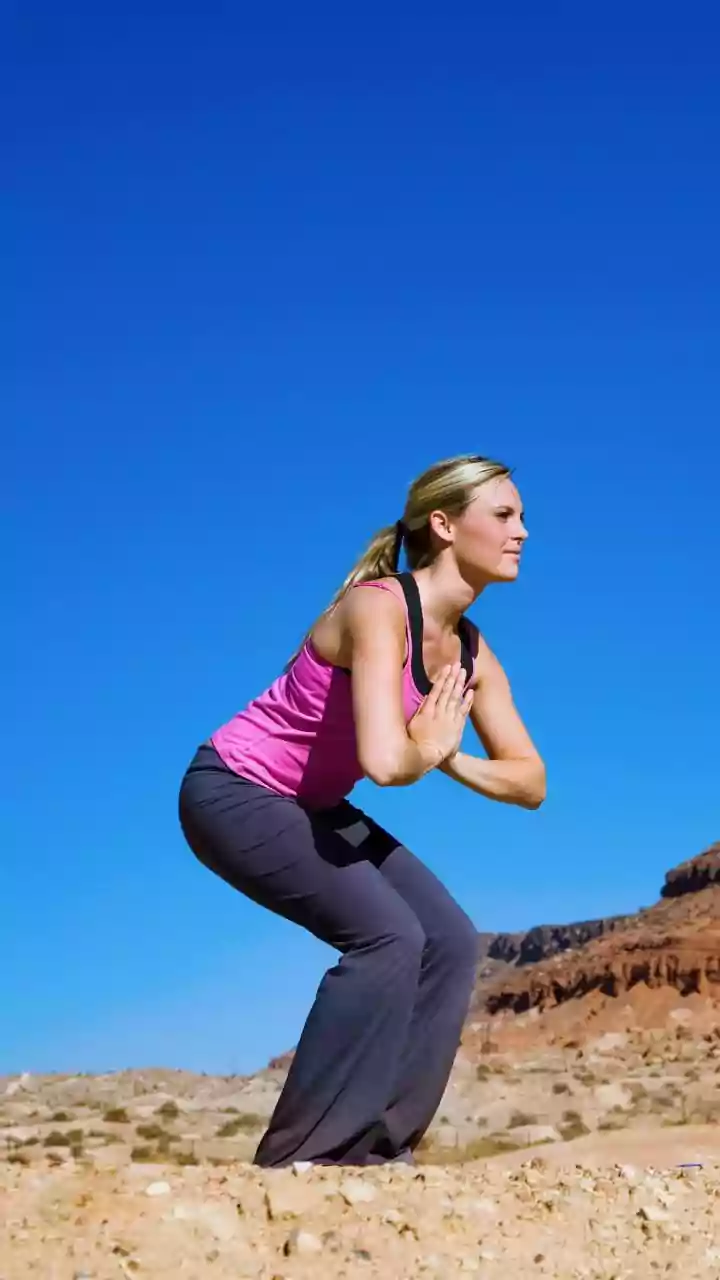
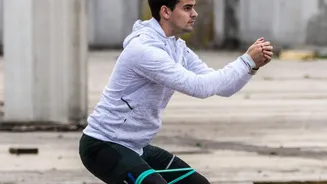
This circuit is designed to work your entire body using compound exercises, which engage multiple muscle groups at once for maximum efficiency. The structure is simple: perform each exercise for 45 seconds, followed by 15 seconds of rest before moving to the next. Complete three full rounds of the following four exercises. 1. Bodyweight Squats: The squat is a fundamental movement that strengthens your legs and glutes, crucial for standing and dancing for hours. 2. Push-ups (or Knee Push-ups): This classic exercise builds upper body and core strength. If a full push-up is too difficult, modify by doing them on your knees. 3. Alternating Lunges: Lunges target your quads, hamstrings, and glutes while also improving your balance and stability. 4. Plank: A plank is an isometric hold that builds incredible core strength, which supports your posture throughout the day.
How to Keep It Fresh and Challenging
Bodyweight training is versatile. To prevent boredom and keep your muscles guessing, you can swap the main exercises with alternatives. For lower body, try glute bridges or frog squats. For your upper body, consider tricep dips using a chair or bed. For your core, bicycle crunches or mountain climbers are excellent choices that also elevate your heart rate. As you get fitter, you can increase the intensity by aiming for more repetitions within the 45-second work period or by reducing your rest time slightly. The key is to maintain proper form to get the full benefit and avoid injury.
The Cool-Down (2-3 Minutes)
Just as important as the warm-up, a cool-down helps your body transition back to a resting state. It allows your heart rate to come down gradually and helps reduce muscle soreness by flushing out lactic acid. Spend a few minutes performing static stretches, holding each for 15-30 seconds. Focus on the muscles you just worked, such as a standing quad stretch, a hamstring stretch (forward fold), a buttock stretch, and an inner thigh stretch. This also helps improve your overall flexibility.