


The High Cost of Going Electric
For years, the heart of an electric vehicle—its battery—has been the most expensive component, often accounting for 40% of the total cost. This is largely due to the materials inside. Lithium-ion batteries, the current industry standard, rely on elements
like lithium, cobalt, and nickel. Not only are these materials expensive, but their supply chains are often volatile and geographically concentrated, creating bottlenecks and price instability. The high price of battery-grade lithium carbonate and the ethical and supply challenges associated with cobalt mining have kept EV costs stubbornly high for the average consumer, creating a significant barrier to widespread adoption.
Enter Sodium: The Abundant Alternative
Scientists and engineers have long sought a more accessible alternative, and they found it in a remarkably familiar place: sodium. The core principle of a sodium-ion battery is almost identical to its lithium-ion counterpart, but it swaps expensive lithium for cheap, abundant sodium. Sodium is the sixth most abundant element on Earth, over 1,000 times more plentiful than lithium, and can be sourced from common soda ash. This incredible availability means its price is a fraction of lithium's and is far more stable. This shift in raw materials provides a clear pathway to dramatically reducing battery manufacturing costs.
Deconstructing the Cost Savings
The savings go beyond just swapping one element for another. The entire battery architecture becomes more affordable. For instance, sodium-ion batteries can use inexpensive aluminum as the anode's current collector, whereas lithium-ion batteries require more expensive copper. When you combine the dramatically lower cost of sodium carbonate (around $300 per tonne) with the savings from other components, the total bill of materials for a sodium-ion battery can be 30-40% lower than a comparable lithium-ion pack. Major manufacturers like CATL and BYD are already leveraging these savings, with projections suggesting sodium-ion cell costs could eventually fall to around $40 per kilowatt-hour, nearly half the price of the cheapest mass-produced lithium batteries.
Performance, Trade-Offs, and Perfect Applications
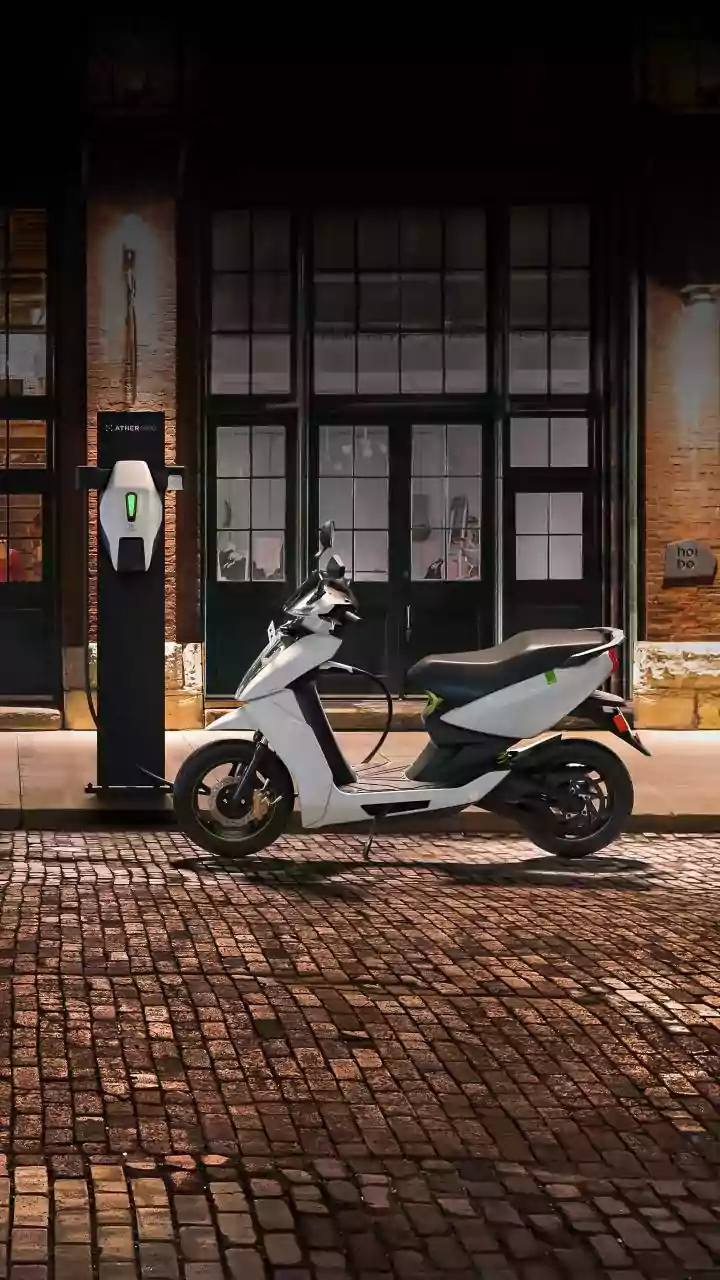
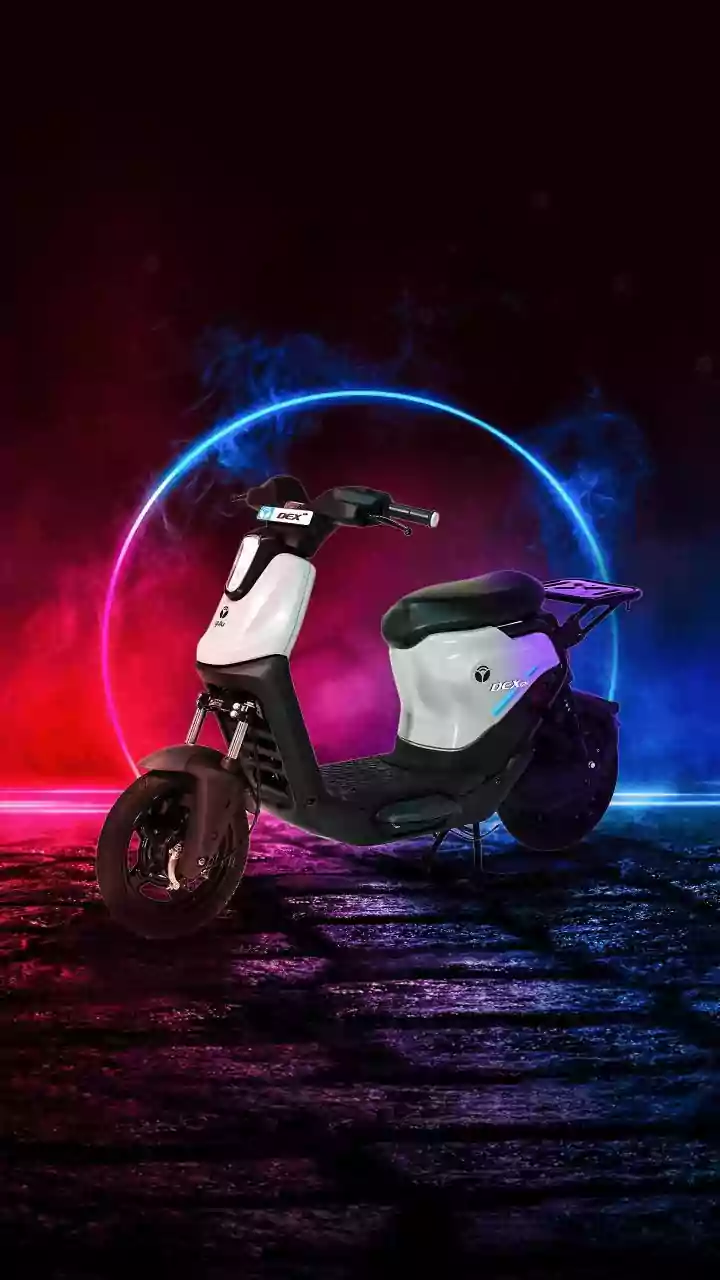
Of course, there are trade-offs. The primary drawback of current sodium-ion technology is its lower energy density. In simple terms, a sodium-ion battery of the same size and weight stores less energy than a lithium-ion one, which translates to a shorter range for an EV. Because of this, sodium-ion is not expected to immediately replace high-performance batteries in long-range, premium electric cars. However, it is perfectly suited for other massive markets. Think smaller, more affordable city-based EVs, e-scooters, and, most importantly, large-scale stationary energy storage. For grid storage, where size and weight are less critical than cost and safety, sodium-ion batteries are a game-changer. They also perform better in a wider range of temperatures, particularly in the cold, and are less prone to fire risk.
The Road Ahead for a Cheaper Electric Future
The commercialization of sodium-ion batteries is already underway, with companies like CATL, BYD, Faradion, and Natron Energy leading the charge. While cost parity with some lithium-ion chemistries is still a few years away in certain segments, the trajectory is clear. Production capacity is scaling up rapidly, particularly in China, and automakers are actively developing models that will incorporate this cheaper battery technology. The rise of sodium-ion doesn't mean the end of lithium-ion. Instead, it represents a crucial diversification of battery chemistry. Lithium will likely continue to power premium, long-range applications, while sodium democratizes electric technology for everyday commuters and makes renewable energy grids more stable and affordable.