





The Real Dangers: More Than Just a Splash
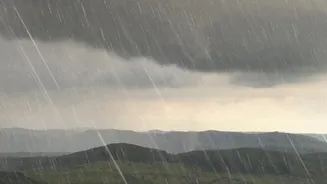
It’s a common misconception that your electronics are safe as long as they don't take a direct hit from rain. The real damage often comes from two culprits: short circuits and corrosion. Water, especially rainwater filled with impurities, creates unintended
pathways for electricity inside a device, causing a short circuit that can instantly fry its delicate components. But even if your phone or laptop was off and avoids a short circuit, the danger isn't over. Moisture that gets inside can lead to corrosion, a slower, more insidious process where the metal contacts and tiny tracks on the circuit boards are slowly eaten away. This damage might not show up for days or weeks, but it can eventually cause your device to malfunction and fail completely.
Humidity: The Invisible Threat
During the Indian monsoon, humidity levels can soar to 95%, and this moisture-laden air is a significant threat on its own. When you stop your air-conditioned car and open the doors, that humid air rushes in. This can cause condensation—tiny water droplets forming on the cool surfaces of your gadgets, even if they're inside a regular backpack. This is often enough moisture to start the process of corrosion or even cause a short circuit in sensitive ports. This is why simply covering your bag with a jacket isn't enough; the ambient moisture in the air can still get in and cause harm. Using silica gel packets inside your bags can help absorb some of this ambient moisture, offering an extra layer of defence.
Know Your Gear: Waterproof vs. Water-Resistant
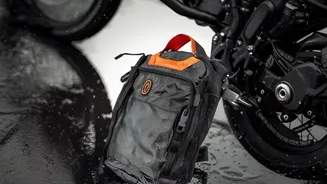
The terms 'water-resistant' and 'waterproof' are often used interchangeably, but they mean very different things. A water-resistant bag can handle light splashes or a brief drizzle, but it will not hold up against a heavy downpour or being placed on a wet surface. True waterproof bags are designed to be completely impervious to water, often for a specified depth and time, indicated by an IP (Ingress Protection) rating like IPX7. For travel, look for bags with features like welded seams instead of stitched ones, and a reliable closure system. The most common and effective type is the 'roll-top' closure, which creates a tight seal when folded down. High-quality zip-locking mechanisms are also effective for smaller pouches.
A Strategy for Every Gadget
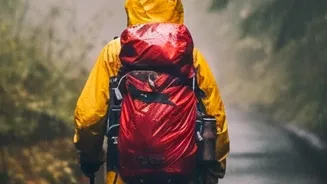
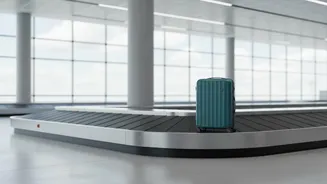
Your smartphone might have some water resistance, but what about your other essentials? Laptops, cameras, power banks, and charging cables are often far more vulnerable to water damage. A smart strategy is to use a layered approach. Your main luggage could be a water-resistant backpack or hard-shell trolley, which offers good general protection. Inside that, each expensive electronic item should be placed in its own individual waterproof pouch or dry bag. This compartmentalises the risk; if one seal fails or a bottle leaks inside your main bag, the damage is contained to just one item. For extremely valuable gear like a camera, some experts even recommend double-bagging: placing it in one dry pouch and then putting that pouch inside a larger one.
Making the Right Choice for Your Trip
You don't need a massive expedition-grade dry bag for a simple road trip. The key is to match the bag to your needs. For quick highway stops, a set of small- to medium-sized waterproof pouches is perfect. You can keep one in the glove compartment or a seat-back pocket for your phone, wallet, and power bank, ensuring they are protected the moment you step out of the car. For larger items like a laptop, a dedicated waterproof sleeve provides excellent protection inside your main travel bag. When shopping, consider the material—PVC and vinyl are common and effective—and the quality of the seals and seams, as this is where cheaper bags often fail.