



Swap Your Cooking Methods
One of the easiest shifts is moving away from deep-frying. Many classic snacks and dishes can be made just as delicious with modern cooking techniques. Instead of deep-frying samosas or pakoras, try baking them in the oven or using an air-fryer for that
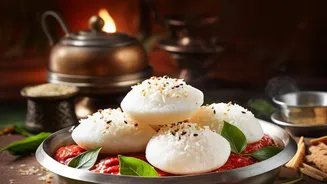
satisfying crunch with significantly less oil. Tandoori-style cooking, which uses a clay oven or a similar high-heat method, is another excellent choice for chicken, fish, or paneer, as it renders fat while sealing in flavour. Steaming is perfect for dishes like idli and dhokla, creating light, fluffy results that are easy on the stomach. These methods let the ingredients shine without relying on heavy fats.
Go Whole with Grains and Flours
Many Indian meals are built around grains, and choosing the right kind makes a big difference. Swapping refined white rice for brown rice or millets like jowar and bajra a few times a week can boost your fibre intake. This helps with digestion and provides more sustained energy. When making flatbreads, ditch the refined flour (maida) used for naans and opt for whole wheat flour (atta) to make chapatis or rotis. You can even make parathas healthier by using more vegetable filling—like cauliflower or spinach—and less dough.
Make Vegetables the Star
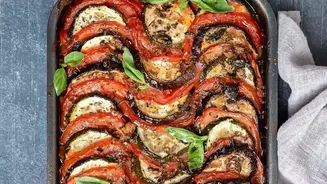
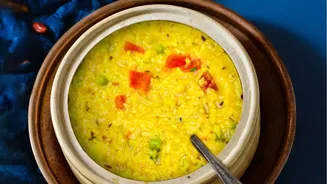
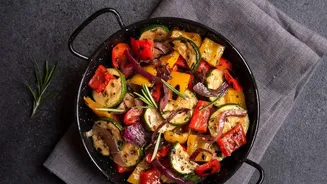
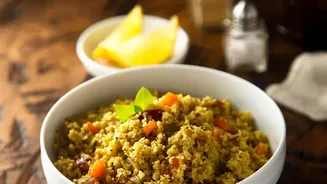
A simple rule for a healthier plate is to fill half of it with vegetables. This doesn't mean eating bland salads. You can easily bulk up your favourite dishes with more greens and vegetables. Add spinach to your dal, toss carrots and peas into pulao, or mix grated bottle gourd (lauki) into your raita. This adds volume, nutrients, and fibre to the meal, making a smaller portion of a richer dish feel more complete. Aim to include at least two types of vegetables in your main meals—one cooked and one fresh, like a simple kachumber salad.
Lighten Up Rich Gravies and Fats
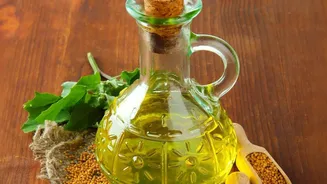
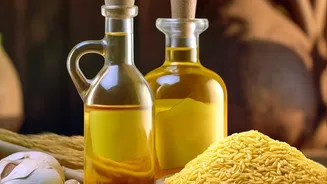
Creamy, rich gravies are a hallmark of many celebrated Indian dishes, but they can be heavy. To create a lighter yet still flavourful base, use a purée of boiled or roasted onions and tomatoes. For that creamy texture, you can replace heavy cream with blended cashews (in moderation), low-fat yogurt, or even puréed vegetables. When using fats like ghee or oil, measure them with a spoon instead of pouring directly from the container to control the amount. Often, a teaspoon is all you need to temper spices and sauté ingredients effectively.
Boost Your Protein Power
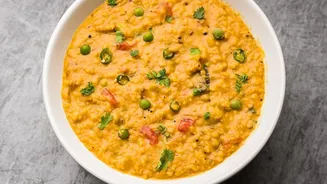
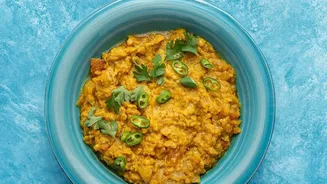
Protein is key to feeling full and satisfied. Lentils and pulses are an easy and affordable way to do this. Rotate different types of dal like moong, masoor, and chana to keep meals interesting. You can make lentils a more complete dish by cooking them with vegetables like tomatoes, spinach, or pumpkin. For non-vegetarians, lean proteins like chicken and fish are great choices. For vegetarians, paneer, tofu, and legumes like chickpeas (chana) and kidney beans (rajma) are excellent sources of protein to anchor your meals.