





The Problem with Too Many Products
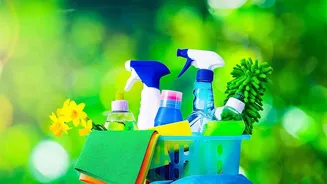
Marketing has convinced many of us that we need a separate spray for glass, another for kitchen counters, a third for the bathroom, and a fourth for wood. This leads to a cluttered, expensive, and potentially hazardous collection of chemicals under our roofs.
This 'product-for-everything' approach can make cleaning feel more overwhelming than it needs to be. Instead of a quick cleanup, you first have to find the 'right' bottle. This not only complicates a simple task but also contributes to more plastic waste and a higher chance of a dangerous chemical cocktail sitting in your home.
The 'Do Not Mix' Safety List
The most significant danger in a crowded cleaning cabinet is the risk of accidentally mixing products. Many people assume that combining cleaners will boost their power, but the reality is that these mixtures can create toxic gases and other dangerous reactions. Some combinations can cause immediate respiratory issues, chemical burns, or even be lethal, especially in enclosed spaces like a bathroom. Here are the combinations to avoid at all costs: Bleach + Ammonia: This common mix creates toxic chloramine gas, which can cause chest pain, shortness of breath, and severe irritation to your eyes, throat, and lungs. Bleach + Vinegar (or other acids): Combining bleach with an acid like vinegar or even lemon juice creates chlorine gas. Exposure can lead to severe coughing, breathing problems, and burning sensations. Bleach + Rubbing Alcohol: This mixture produces chloroform, a highly toxic substance that can cause dizziness and nausea. Hydrogen Peroxide + Vinegar: While sometimes used separately in cleaning routines, mixing them in the same container creates peracetic acid, which is corrosive and can irritate skin, eyes, and the respiratory system.
Your Minimalist Cleaning Toolkit
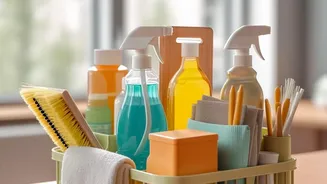
The good news is you don't need an arsenal of products for a sparkling home. A minimal kit is not only safer but also more cost-effective and environmentally friendly. For most daily tasks, a few versatile essentials are all you need. Start with these basics: A Good All-Purpose Cleaner: Whether you choose a store-bought, eco-friendly option or make your own, a single versatile cleaner can handle most surfaces. White Vinegar and Baking Soda: These classic, non-toxic staples are powerhouses. Vinegar is great for cutting grease, while baking soda is a gentle abrasive for scrubbing sinks and tubs. However, never mix them in a sealed container, as the reaction can cause it to burst. Liquid Dish Soap: A high-quality dish soap is effective for more than just dishes; it can tackle grease on various surfaces. Microfiber Cloths: These are reusable, effective, and reduce the need for paper towels. * A Reliable Disinfectant: For areas that need sanitising, choose one effective product and use it as directed, without mixing.
Smart Storage and Handling
Once you've simplified your supplies, handling them correctly is the next crucial step for safety. Always store cleaning products in their original containers. This ensures you have the ingredient list and safety instructions on hand. Decanting them into unmarked, prettier bottles might be a social media trend, but it's a dangerous one, as it removes vital safety information and could lead to accidental misuse. Store all cleaning products in a cool, dry place that is out of sight and reach of children and pets. A high cabinet with a child-proof lock is ideal. When cleaning, ensure the area is well-ventilated by opening windows or using a fan. This helps dissipate any fumes. Finally, always read and follow the directions on the label for proper use and disposal.