







Your Body's Internal Clock
Deep inside your brain is a master clock known as the circadian rhythm. This internal 24-hour cycle governs everything from your sleep-wake patterns to hormone release and metabolism. It’s designed to sync with the natural light-dark cycle of the sun.
When the sun is up, your body is programmed for alertness; when it gets dark, it prepares for rest by producing a hormone called melatonin. However, modern life, with its abundance of artificial light, can throw this delicate system out of balance, especially for those who work against the sun's schedule. This desynchronization can lead to significant health issues, including sleep disorders, metabolic problems, and mood disturbances.
The Problem with Blue Light
Not all light is created equal. The bright, cool-toned light emitted by our smartphones, laptops, televisions, and many standard LED bulbs is rich in the blue part of the spectrum. This blue light is particularly effective at tricking our brains into thinking it's still daytime. Exposure to blue light in the hours before bed can significantly suppress the production of melatonin, the hormone that signals your body it’s time to sleep. Studies show that blue light can delay and disrupt sleep cycles, making it harder to fall asleep and reducing the quality of rest you get. For a shift worker trying to sleep during the day, exposure to daylight or blue-rich indoor light can make restorative sleep feel nearly impossible.
The Power of Warm, Dim Light
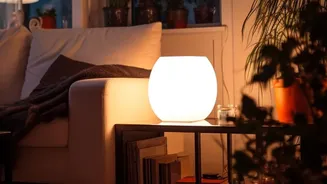
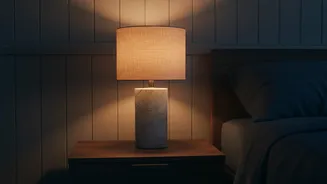
Just as blue light signals 'wake up', warm-toned light signals 'wind down'. Think of the soft, golden glow of a sunset or the gentle flicker of a candle—these are lights with a warm, reddish-amber hue. This type of light has a minimal effect on melatonin suppression. Research shows that switching from cool, blue-rich light to warm, reddish light in the evening allows the body's natural melatonin production to proceed, promoting relaxation and preparing the brain for sleep. One study found that exposure to red light, after an initial dip, allowed melatonin to rebound to significantly higher levels compared to blue light. This makes warm lighting a powerful tool for creating a sleep-friendly environment.
A Lighting Strategy for Shift Workers
For shift workers, managing light exposure is crucial for adapting to an unconventional schedule. The goal is to mimic the natural day-night cycle as much as possible. While at work during the night, using bright, cooler light can help promote alertness and performance. However, the transition home is critical. After your shift ends in the morning, wear dark, wrap-around sunglasses to block out as much daylight as possible. This tells your brain that 'night' has begun. Once home, keep your living space as dark as you can. Use blackout curtains or an eye mask to create a dark sleeping environment. If you need some light before bed, ensure it is dim and warm-toned, avoiding all bright screens and overhead lights. Even an hour of careful light management can make a significant difference.
Putting It Into Practice
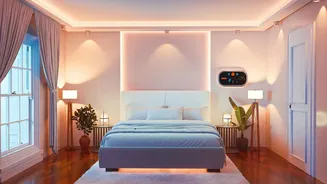
Making this shift doesn't have to be complicated or expensive. Start by replacing the bulbs in your bedroom and primary living areas with 'warm white' or amber-hued LEDs. Look for bulbs with a colour temperature between 2700K and 3000K, or even lower for evening use. Use dimmable lamps instead of harsh overhead lighting in the hours before you plan to sleep. Many smartphones and computers now have a 'night mode' or 'comfort view' feature that automatically shifts the screen to a warmer tone after sunset—make sure this is enabled. The key is consistency. By creating a routine where your environment gets darker and warmer as you approach your designated bedtime, you provide your body with the clear, simple cues it needs to wind down and achieve deeper, more restorative sleep.